
Cars
Ford Enters the Energy Market with New Battery Business Amid Tesla Sales Surge

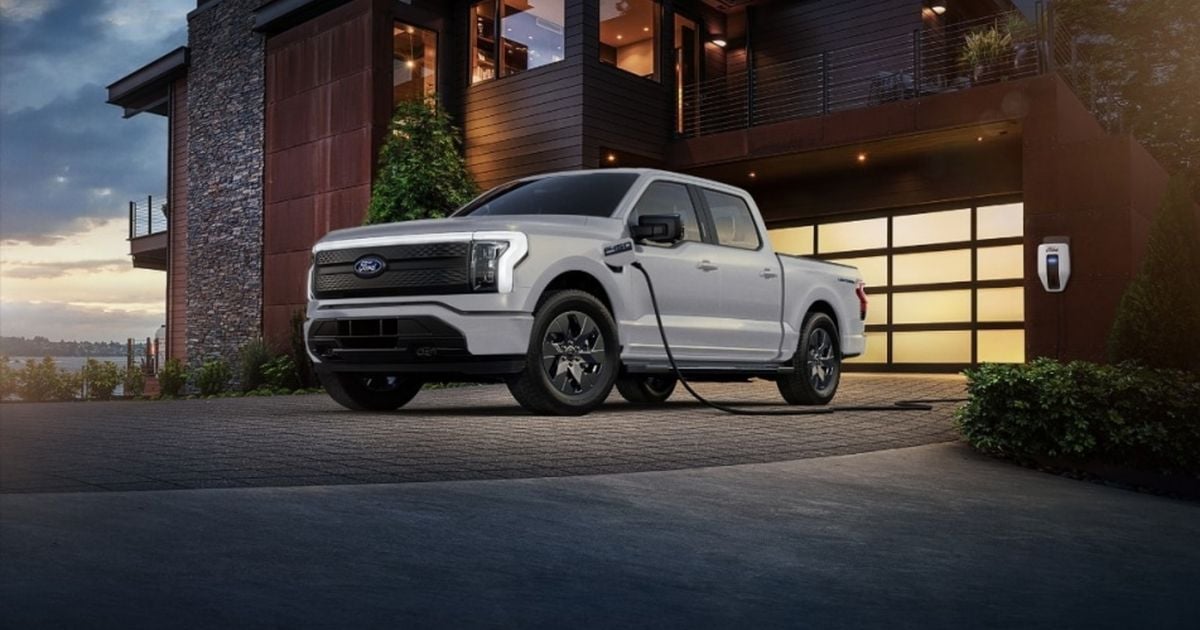
Ford is making a significant move in the energy sector with the establishment of Ford Energy, a new subsidiary focused on producing battery energy storage systems (BESS). This initiative, fully owned by the American car manufacturer, aims to contribute at least 20GWh of annual energy storage capacity in the United States. The first customer installation is scheduled to take place by late 2027.
While Ford Energy is targeting industrial and commercial clients in the US, it’s worth noting that Ford Australia has not yet confirmed plans to sell these battery systems locally. The company emphasizes that its BESS products will be “United States assembled,” indicating a focus on local production rather than strict US manufacturing.
The core product of Ford Energy will be the Ford DC Energy Block, a 20-foot battery energy storage system utilizing 512Ah liquid-cooled lithium iron phosphate (LFP) prismatic cells. Two versions will be offered: the FE-250 (two-hour) and FE-450 (four-hour) systems, designed to operate for a lifespan of 20 years.
Final assembly of these systems will take place at Ford’s Glendale, Kentucky battery plant, which has been repurposed to focus on BESS production rather than electric vehicles (EVs). This strategic decision aligns with the growing demand for energy storage solutions driven by factors such as data center expansion, renewable energy integration, and grid resilience requirements.
The US Energy Information Administration (EIA) reports a significant surge in battery storage adoption in the US, with over 40GW of battery storage capacity added in the last five years. This trend underscores the increasing importance of energy storage solutions in the transition towards a more sustainable energy landscape.
In Australia, a record number of home batteries were installed in 2025, supported by initiatives like the Cheaper Home Batteries Program. This growth led to Tesla generating more revenue from its energy products, including home batteries, than from its popular EV models like the Model Y and Model 3.
Ford’s EV strategy has seen shifts, with the discontinuation of the F-150 Lightning EV last year. The company plans to introduce an extended-range electric vehicle (EREV) in its place. Additionally, Ford is gearing up to launch a new family of vehicles based on the Universal EV platform, starting with a Ranger-sized ute expected in 2027. These Universal EVs will feature a 400V electrical architecture and LFP batteries, reflecting Ford’s commitment to innovation in the EV space.
CEO Jim Farley’s comments on learning from Tesla’s approach highlight Ford’s evolving mindset towards electric mobility. By embracing new design paradigms and manufacturing efficiencies, Ford aims to deliver more affordable and sustainable EV options to consumers.
In conclusion, Ford Energy’s foray into battery energy storage systems marks a significant step towards enhancing energy resilience and sustainability. As the automotive industry continues to evolve, Ford’s strategic investments in energy storage solutions underscore its commitment to innovation and environmental stewardship. Transform the following sentence: “The cat chased the mouse around the house.”
Into: “Around the house, the mouse was chased by the cat.”









007: Dawn of Shadows – Enhanced Missions Expansion now available

Budget-Friendly E-Paper Experience: Huion Note E Notebook Review

Agent Revolution: Saying Goodbye to Mobile Apps with $4.5M in Funding

BMW’s Cutting-Edge Battery Plant Fuels the Electric Revolution for the 3 Series

Microsoft Gaming Chief Affirms Xbox is Not Available for Sale

Building and Sustaining Research Infrastructure: A Comprehensive Guide

Xbox Remains Unwavering: Not for Sale, Says CEO Asha Sharma

Troubleshooting Android 17 QPR1 Update Problems for Google Pixel Owners

Prime Day Deal: Galaxy S25 FE Drops to Lowest Price Ever at £399

EU Takes Action Against Instagram and Facebook for Violating Illegal Content Rules

Warning: Facebook Creators Face Monetization Loss for Stealing and Reposting Videos

Facebook’s New Look: A Blend of Instagram’s Style

Facebook Compliance: ICE-tracking Page Removed After US Government Intervention

Facebook and Instagram to Reduce Personalized Ads for European Users

InstaDub: Meta’s AI Translation Tool for Instagram Videos

Reclaim Your Account: Facebook and Instagram Launch New Hub for Account Recovery

Meta discontinues Messenger apps for Windows and macOS

Breaking Updates: Meta Connect 2025 Unveils Latest Developments

Samsung Galaxy S9+ Unboxing! (Clone)

Unboxing the First Ever Samsung Galaxy S!!

Huawei P Smart – Huawei’s new Killer Budget Smartphone!

MYSTERY Package from Xiaomi – HUGE UNBOXING!

5 ways you’re using your Smartphone wrong.

THE INSANE DUAL BATTERY SMARTPHONE!

ELEPHONE U PRO UNBOXING AND REVIEW!

Mrwhosetheboss – 1 Million Subscribers

The Surprising TRUTH about Samsung – 15 things you did not know.
-
 Facebook11 months ago
EU Takes Action Against Instagram and Facebook for Violating Illegal Content Rules
-
 Facebook12 months ago
Warning: Facebook Creators Face Monetization Loss for Stealing and Reposting Videos
-
 Facebook10 months ago
Facebook’s New Look: A Blend of Instagram’s Style
-
 Facebook12 months ago
Facebook Compliance: ICE-tracking Page Removed After US Government Intervention
-
 Facebook10 months ago
Facebook and Instagram to Reduce Personalized Ads for European Users
-
 Facebook12 months ago
InstaDub: Meta’s AI Translation Tool for Instagram Videos
-
 Facebook10 months ago
Reclaim Your Account: Facebook and Instagram Launch New Hub for Account Recovery
-
 Apple12 months ago
Meta discontinues Messenger apps for Windows and macOS
