
Tech News
The Ultimate Guide to Healthcare App Development Trends for 2025

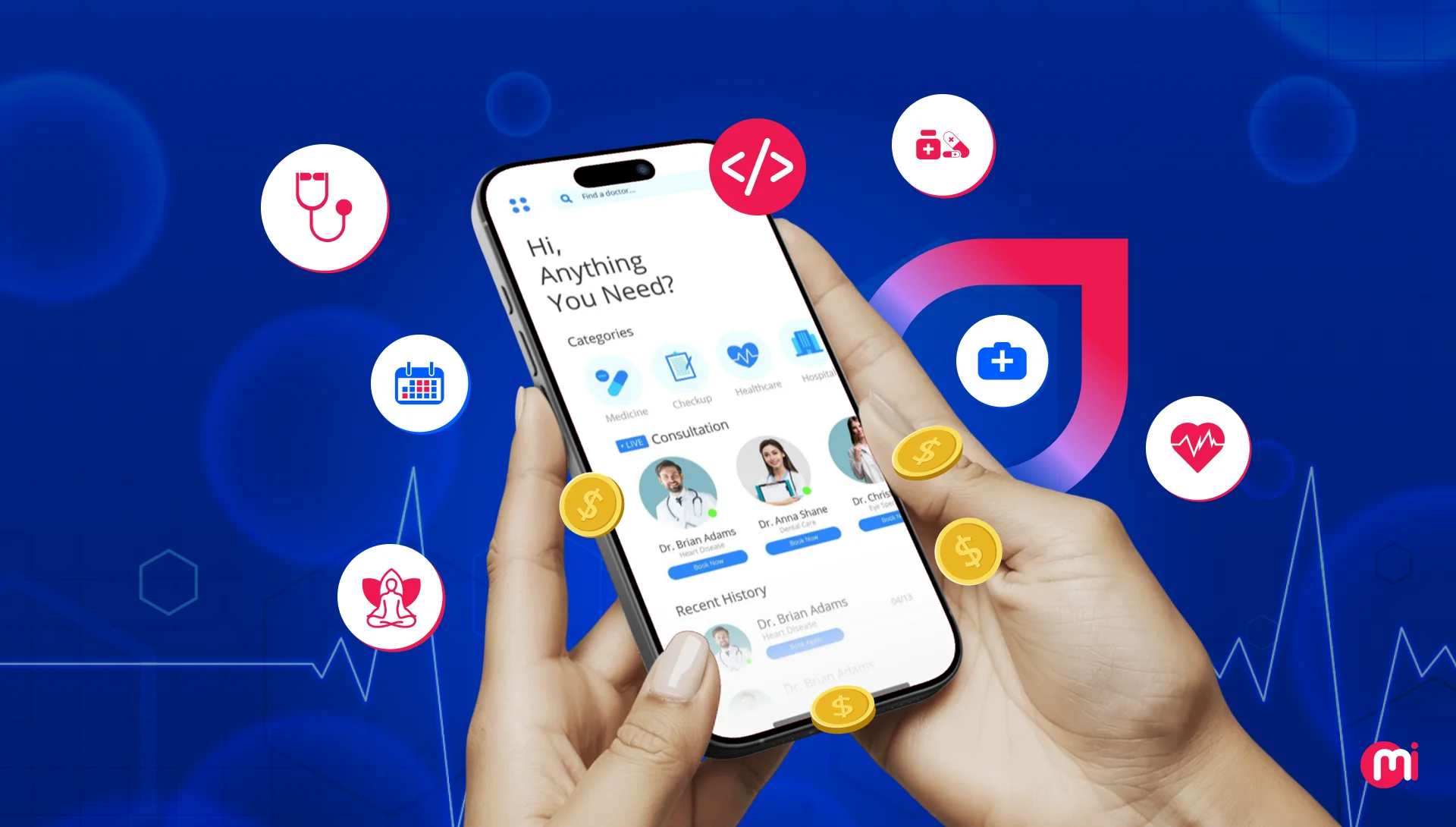
Healthcare mobile app development has become essential in modern medicine, and understanding the development process, core features, and associated costs is crucial for anyone looking to innovate in this space. In this comprehensive guide, we will explore the clear roadmap on how to develop a healthcare app that is engaging, compliant, and effective.
Since the outbreak of COVID-19, mobile health solutions have been empowering patients, streamlining medical workflows, and making healthcare more accessible than ever before. According to recent studies by Grand View Research, the global mHealth market size was estimated at USD 62.7 billion in 2023 and is expected to reach USD 158.3 billion by 2030, growing at a CAGR of 14.1% from 2024 to 2030.
These statistics indicate that mobile app development in the global mHealth market is rapidly growing, driven by the increasing adoption of smartphones and the growing demand for remote patient care. From telehealth platforms to chronic disease management apps, the possibilities are endless today.
Creating a world-class healthcare app goes beyond having a great idea; it requires a deep understanding of user needs, adherence to regulatory standards like HIPAA, and a robust development process. In this guide, we will simplify the complexities and provide you with a step-by-step process for building a high-impact healthcare solution. Let’s dive in.
Types of Healthcare Apps
Healthcare apps provide patients with easy access to medical information, medication reminders, symptom tracking, and telemedicine services, among other features. Let’s explore different types of healthcare apps:
- Telemedicine Apps
Telemedicine apps facilitate remote consultations between patients and healthcare providers, offering chat functionalities, video conferencing, and secure messaging for easy access to healthcare services from anywhere.
- Patient Management Systems
These systems help manage patient data, track treatments, and streamline workflows, providing quick and secure access to vital information while ensuring the confidentiality of personal data.
- Appointment Booking Apps
These apps integrate scheduling for medical appointments, allowing patients to book, reschedule, or cancel visits 24/7, simplifying the procedure of scheduling hospital appointments.
- Medication Apps
Also known as e-prescribing apps, these apps enable healthcare providers to manage medications by providing dosage information, reminders, and refill alerts, enhancing adherence to prescribed regimens.
- Chronic Disease Apps
Targeted at patients with chronic conditions, these apps offer tools for tracking symptoms, communication, and medication adherence, empowering users to take control of their health.
- Wellness Apps
Focused on proactive health management, wellness apps promote a healthy lifestyle through features like nutrition monitoring, fitness tracking, mental health support, and community engagement.
- Health Education Apps
These apps provide educational information on various health topics, empowering users with knowledge to make informed decisions about their health.
- Women’s Health Apps
Specifically focusing on women’s health issues, these apps offer resources and tools customized to unique needs, including cycle tracking, pregnancy support, and personalized health tips.
Benefits of Healthcare App Development for Patients and Providers
Healthcare apps offer numerous benefits to both patients and providers. Let’s explore how:
Benefits for Medical Professionals
- Built-in Diagnostic Systems: Analyzing and diagnosing remote patients’ conditions, tracking progress, and determining treatments with embedded IoT devices.
- Early and Accurate Diagnosis: Ensuring timely healthcare delivery and effective outcomes with best-in-class diagnostic systems.
- EHR Integration: Tracking, storing, and collecting patient information on a single platform for time-saving and error-free data sharing.
Benefits for Patients
- High-Quality Patient Care: Easily tracking symptoms, chronic health conditions, and overall health with IoT-connected wearable devices or smartphone sensors.
- Accessible Healthcare Data: Accessing healthcare information at home or on the go and sharing data with healthcare providers seamlessly.
- On-Demand Accessible Care: Quick delivery of medical services directly to the patient’s doorstep with real-time order tracking, automated prescription refills, and telemedicine integration.
These benefits demonstrate the transformative impact of healthcare apps on patient care and provider efficiency. By leveraging advanced technologies and user-centric design, healthcare apps are revolutionizing the healthcare industry.
The Healthcare App Development Process
Developing a healthcare app is a meticulous journey that involves several phases contributing to the overall cost and timeline. By analyzing each step, you can better plan your budget and ensure maximum value delivery without overspending. Let’s break down the healthcare app development process:
- Conduct Market Research
Analyze specific problems your app will solve, identify your target audience, and understand the regulatory landscape to validate your app idea.
- Define Functionalities and Features
Define core features of your Minimum Viable Product (MVP) that deliver immediate value to your users.
- Choose the Right Stack of Technology
Select programming languages, frameworks, and database technologies that support the specific needs of healthcare applications.
- Design UI/UX
Create a user-friendly and intuitive interface that eliminates the learning curve for patients and providers.
- Develop and Conduct QA
Divide the development process into sprints with front-end and back-end teams working together, ensuring rigorous testing for security and data protection.
- Deploy, Maintain, and Modernize the App
Launch the app on different platforms, monitor performance, gather user feedback, release updates, and modernize the app to stay competitive.
Must-Have Features for Healthcare Apps
To elevate any healthcare app, consider incorporating the following features:
- User-Friendly UI/UX for seamless navigation.
- Telemedicine & Video Consultation for remote consultations.
- Appointment Reminders & Scheduling for efficient booking.
- Prescription Management & Refills for medication management.
- Wearable Device Integration for real-time health monitoring.
For doctor’s apps, consider features like Clinical Decision Support Tools, Workflow and Task Management, Integrated Billing and Payments, and Patient Dashboard for efficient healthcare delivery.
How to Estimate Healthcare App Development Costs?
Estimating healthcare app development costs depends on factors like complexity, features, technologies, UI/UX design, platform selection, backend architecture, third-party integrations, and development team size. To estimate costs:
Development Hours × Developers’ Hourly Rate = Total Cost
Factors impacting cost include complexity, features, technologies, UI/UX design, platform selection, backend architecture, hosting costs, third-party integrations, and development team size.
In conclusion, healthcare mobile app development presents a revolutionary opportunity to enhance patient care and provider efficiency. Building a successful app requires a deep understanding of the industry, strategic planning, and a strong development partner. MindInventory specializes in providing end-to-end healthcare solutions, helping you develop a top-notch healthcare app and beyond.
FAQs
- What features should be used in developing a healthcare app?
Important features for healthcare app development include appointment scheduling, user authentication, prescription management, telemedicine integration, symptom checkers, real-time chat support, and payment integration.
- How much does it cost to develop a healthcare app?
The cost of developing a healthcare app varies based on complexity, features, trends, UI/UX design, platform selection, backend complexity, hosting costs, third-party integrations, and development team size. Customization plays a key role in determining the cost.
- How to choose an app development company for a healthcare app?
When selecting an app development company for a healthcare app, look for a proven track record in healthcare app development, expertise in compliance, a strong portfolio in relevant projects, and knowledge of trending technologies like AI, ML, and IoT.
- How can I estimate ROI for my healthcare app development?
To estimate ROI, calculate ((Total benefits – Total costs) ÷ Total costs) × 100. ROI includes both costs and benefits, and understanding this equation can help you project the return on your healthcare app investment.
By following these guidelines and leveraging advanced technologies, you can develop a successful and competitive healthcare app that transforms patient care and provider efficiency.













Unleashing Power: The Mercedes-AMG GT 63 Pro Hits Malaysian Roads at RM 2.09 million

Revised Game++: Conquering Bugs and Keeping Pants Intact

Power Players: Europe’s Top AI Influencers

Beware: The Secret iOS 27 Setting That’s Sapping Your Battery Life

Concept Smartphones that are better than Real Smartphones

Unwrapping the Power: A Digital Look at BMW’s Electric M3 Body Wrap

Shadow Ops: Covert Extraction

Mastering the Fundamentals of Business Auditing

Apple Unveils Stunning Images Captured with ‘iPhone Duo’ Camera

EU Takes Action Against Instagram and Facebook for Violating Illegal Content Rules

Warning: Facebook Creators Face Monetization Loss for Stealing and Reposting Videos

Facebook’s New Look: A Blend of Instagram’s Style

Facebook Compliance: ICE-tracking Page Removed After US Government Intervention

Facebook and Instagram to Reduce Personalized Ads for European Users

InstaDub: Meta’s AI Translation Tool for Instagram Videos

Reclaim Your Account: Facebook and Instagram Launch New Hub for Account Recovery

Meta discontinues Messenger apps for Windows and macOS

Breaking Updates: Meta Connect 2025 Unveils Latest Developments
Concept Smartphones that are better than Real Smartphones

Samsung Galaxy SII Unboxing!

The SECRET to Maximise Smartphone Battery Life?

We Designed the Ultimate Gaming Smartphone of 2018!

Using the Cheapest Smartphone in the World.

Samsung Galaxy S9+ Unboxing! (Clone)

Unboxing the First Ever Samsung Galaxy S!!

Huawei P Smart – Huawei’s new Killer Budget Smartphone!

MYSTERY Package from Xiaomi – HUGE UNBOXING!
-
 Facebook11 months ago
EU Takes Action Against Instagram and Facebook for Violating Illegal Content Rules
-
 Facebook12 months ago
Warning: Facebook Creators Face Monetization Loss for Stealing and Reposting Videos
-
 Facebook10 months ago
Facebook’s New Look: A Blend of Instagram’s Style
-
 Facebook12 months ago
Facebook Compliance: ICE-tracking Page Removed After US Government Intervention
-
 Facebook10 months ago
Facebook and Instagram to Reduce Personalized Ads for European Users
-
 Facebook12 months ago
InstaDub: Meta’s AI Translation Tool for Instagram Videos
-
 Facebook10 months ago
Reclaim Your Account: Facebook and Instagram Launch New Hub for Account Recovery
-
 Apple12 months ago
Meta discontinues Messenger apps for Windows and macOS
