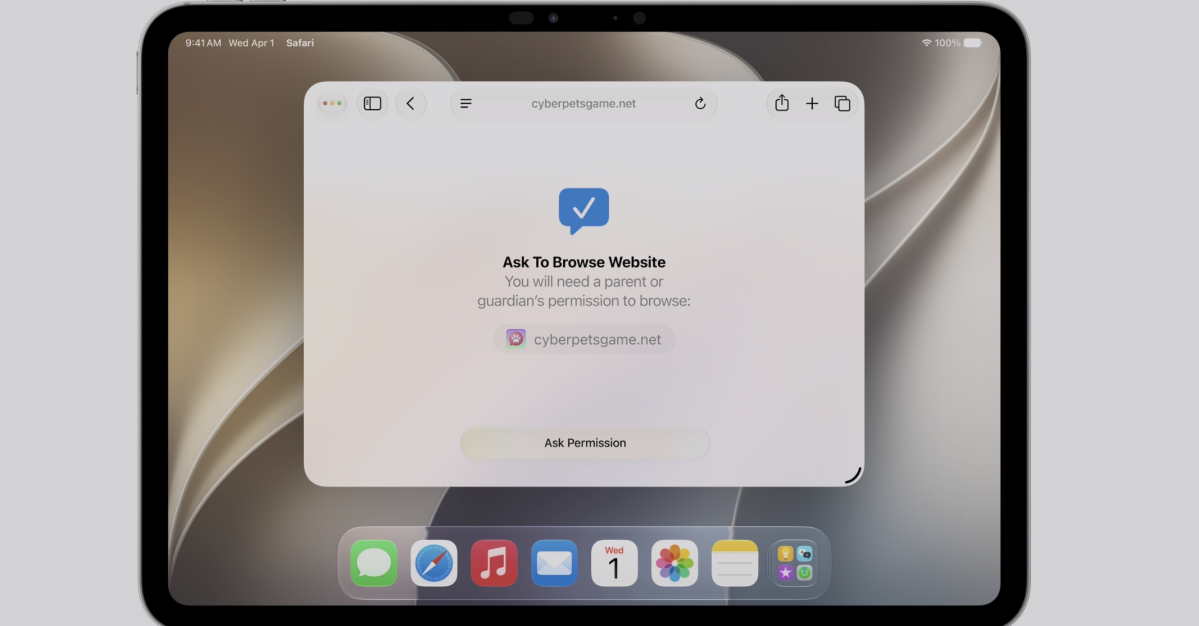
During Apple’s recent WWDC keynote, much attention was given to parental controls, sparking surprise among viewers. However, the focus on this topic revealed little new information aside from a revamped interface. Most of the highlighted features were either existing ones or upgrades to current options. This emphasis on parental controls can be linked to recent social media trials involving Meta and Google, as well as the presence of protesters outside Apple’s Cupertino headquarters. The tech giant seems intent on showcasing its commitment to responsible practices concerning children.
Despite Apple’s efforts, Screen Time, the company’s tool for managing device usage, has received criticism. As a parent of two teenagers who have used Apple devices for years, the challenges of navigating Apple’s parental controls have been a constant struggle. The limitations of Screen Time have led to frustration and the realization that, ultimately, the best way to limit screen time is to eliminate screens altogether. However, this approach is not always feasible as children grow older.
The inadequacies of Screen Time have not gone unnoticed, with numerous complaints surfacing about its ineffectiveness, inaccuracies, and children finding ways to bypass its restrictions. In a 2024 report by Joanna Stern at The Wall Street Journal, a bug that allowed children to bypass content restrictions on Screen Time went undetected for years.
Apple has made some improvements to Screen Time over the years, such as adding alerts for unauthorized passcode usage. However, these enhancements have been few and far between, leaving much to be desired in terms of reliable parental controls.
With the upcoming iOS 27 update, Apple aims to address some of these concerns. Features like Ask to Browse, which requires permission for new website visits, and Communication Safety, which blocks inappropriate content in messages, show promise. However, challenges remain, such as the inability to prevent a child from redownloading previously deleted apps.
Despite these updates, managing screen time for children remains a complex task. The redesigned Screen Time interface in iOS 27 is expected to offer a more user-friendly experience, addressing the current cumbersome settings navigation. Ideally, this update will streamline the process of enabling parental controls for Apple devices.
One major issue with Screen Time is the lack of granular control over time allowances. While setting limits on apps is possible, more specific categories, such as differentiating between entertainment platforms like YouTube and Spotify, are currently unavailable. This limitation adds complexity to the management of screen time.
In conclusion, Apple’s efforts to enhance parental controls are commendable, but more work is needed to provide reliable solutions for parents. As technology continues to evolve, it is essential for Apple to prioritize the development of effective tools that parents can depend on to safeguard their children’s digital well-being.
Correction, June 8th: An earlier version of this article incorrectly referenced Communication Limits in one instance. Communication Safety is the feature that blocks gore and violence in messages.