
Apple
Comparing Apple Home’s AI Camera to Amazon and Google: A Test of Smart Home Technology

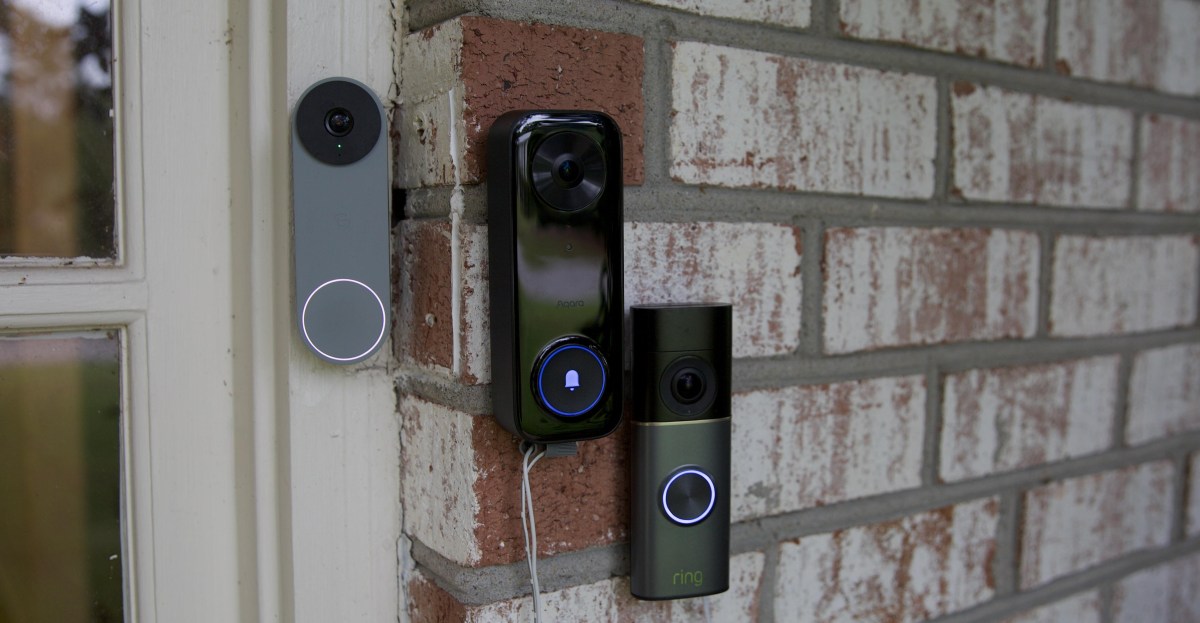
A few years ago, I found myself at a beachside Easter egg hunt, observing my children as they excitedly searched for sweet treats in the sand dunes. As they gathered colorful eggs in their baskets, my phone began buzzing in my pocket. Initially, I ignored it, assuming it was just my dog roaming around in the yard. However, the constant buzzing prompted me to check my phone, only to discover multiple “motion detected” alerts from my security camera.
In that moment, I dismissed the notifications and continued to enjoy the Easter festivities. Little did I know that when I returned home later that day, I would find my four pet chickens tragically killed by my small border terrier. It was a heartbreaking realization that could have been prevented if I had paid closer attention to the alerts from my security camera.
Fast forward to today, and advancements in AI technology have revolutionized security camera notifications. With AI-generated text descriptions, cameras can now provide instant, concise descriptions of what they see, allowing homeowners to react quickly to potential threats. Major security camera companies like Ring, Google Nest, Blink, Wyze, and Arlo now offer this feature, with Apple recently joining the fray with its Apple Intelligence for Home service.
Despite the promising capabilities of Apple Intelligence, the service comes at a premium compared to its competitors. While the text descriptions are a game-changer for security cameras, the accuracy and usefulness of the alerts vary across different platforms. Google and Ring generally provide more detailed and context-rich descriptions compared to Apple, which often delivers brief and generic alerts.
In my testing of various AI camera features, I found that Google’s video search function was the most useful, followed by Ring, and then Apple. Google and Ring also offer facial recognition capabilities, with Ring being the most accurate in identifying individuals. However, Apple’s reliability in sending timely notifications was a concern, especially when using third-party hardware with HomeKit Secure Video.
The introduction of Apple Intelligence’s AI features has significantly improved the functionality of HomeKit Secure Video, bringing it closer to competing with Ring and Google. While the service offers benefits such as better video search and privacy assurances, the high cost may deter some users, especially for multiple camera setups.
Looking ahead, the potential for AI-powered cameras to trigger automations based on what they see holds great promise. The ability for cameras to understand and respond to specific events in real-time could transform security systems into intelligent smart-home sensors. However, privacy and surveillance concerns must be carefully considered as these technologies continue to evolve.
In conclusion, while Apple Intelligence in Home shows potential for enhancing security camera functionality, there is room for improvement in terms of accuracy, reliability, and pricing. The ultimate goal is for AI-powered cameras to not only describe what they see but also prioritize and act on critical events, leading to a more intelligent and responsive smart home environment.













Goblin Invasion: Hytale’s Chapter 1 Update Introduces Epic Boss Battles and Intricate Dungeons

Samsung Galaxy S27 Pro and Ultra: Enhanced with Larger Batteries

Innovative Health Benefits for Emerging Businesses

Comparing Apple Home’s AI Camera to Amazon and Google: A Test of Smart Home Technology

AirPods Enhancements: The Long-Awaited Update

The Evolution of the ALPINA X5: From Secret Prototype to BMW X5 4.6iS

Microsoft’s Revolutionary Copilot: A Game-Changer in the Battle Against Anthropic and OpenAI – GeekWire

Building the Future: The Evolution of Europe’s First Digital Experimentation Infrastructure

Titan Quest II: Rise of the Gods – Official Launch in January 2027

EU Takes Action Against Instagram and Facebook for Violating Illegal Content Rules

Warning: Facebook Creators Face Monetization Loss for Stealing and Reposting Videos

Facebook’s New Look: A Blend of Instagram’s Style

Facebook Compliance: ICE-tracking Page Removed After US Government Intervention

Facebook and Instagram to Reduce Personalized Ads for European Users

InstaDub: Meta’s AI Translation Tool for Instagram Videos

Reclaim Your Account: Facebook and Instagram Launch New Hub for Account Recovery

Meta discontinues Messenger apps for Windows and macOS

Breaking Updates: Meta Connect 2025 Unveils Latest Developments

Samsung Galaxy S9 Plus vs iPhone X

The BEST $300 Phone (2018) ft. MKBHD, Technical Guruji, iJustine + More

Samsung Galaxy S9 Plus Gaming Review! (vs OnePlus 5T)

THE BEST PHONE HTC EVER MADE?

The Truth about Google?

Samsung S9/ S9+ vs iPhone X vs Galaxy Note 8 Battery Life DRAIN TEST

Samsung S9 / S9+ vs Mate 10 Pro vs iPhone X Charging SPEED Test

The BEST APPS in 2018 – ft. MKBHD, UrAvgConsumer, iJustine + More

The ULTIMATE Smartphone Unboxing!!
-
 Facebook11 months ago
EU Takes Action Against Instagram and Facebook for Violating Illegal Content Rules
-
 Facebook12 months ago
Warning: Facebook Creators Face Monetization Loss for Stealing and Reposting Videos
-
 Facebook10 months ago
Facebook’s New Look: A Blend of Instagram’s Style
-
 Facebook12 months ago
Facebook Compliance: ICE-tracking Page Removed After US Government Intervention
-
 Facebook10 months ago
Facebook and Instagram to Reduce Personalized Ads for European Users
-
 Facebook12 months ago
InstaDub: Meta’s AI Translation Tool for Instagram Videos
-
 Facebook10 months ago
Reclaim Your Account: Facebook and Instagram Launch New Hub for Account Recovery
-
 Apple11 months ago
Meta discontinues Messenger apps for Windows and macOS
