
Inovation
Collaborative Innovation: University of Arizona and TU/e Join Forces to Advance Semiconductor Technologies

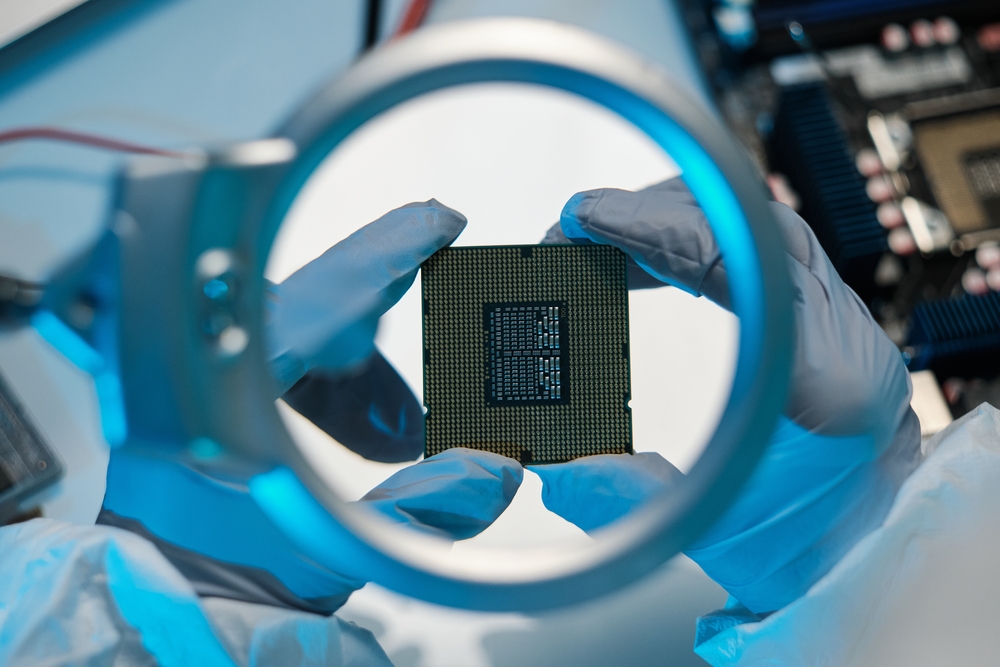
The University of Arizona and Eindhoven University of Technology (TU/e) Forge New International Partnership
In a bid to advance semiconductor technologies and photonics research, The University of Arizona and Eindhoven University of Technology (TU/e) have embarked on a groundbreaking international collaboration. This partnership aims to propel the development of faster and more energy-efficient computing systems.
Through a five-year memorandum of understanding (MOU), the two esteemed institutions have solidified their commitment to enhancing collaboration in research, education, and workforce development.
With a focus on aligning academic programs with the rapidly expanding global semiconductor industry, the agreement seeks to meet the growing demand driven by artificial intelligence, advanced computing, data centers, and connected technologies.
By leveraging Arizona’s established semiconductor expertise alongside the Netherlands’ renowned leadership in photonics, this partnership is poised to expedite innovation, create new avenues for students and researchers, and bolster international cooperation within the semiconductor ecosystem.
Empowering Semiconductor Technologies through Global Alliance
This collaboration bridges two regions that hold significant roles in the global chip industry. It builds upon broader government initiatives to deepen cooperation between Arizona and the Netherlands.
Noteworthy efforts include the agreement signed by Arizona Governor Katie Hobbs and Dutch Minister of Economic Affairs Dirk Beljaarts last year, focusing on strengthening collaboration in semiconductor research, workforce development, and long-term economic growth.
Expanding on these ambitions, the university partnership extends into higher education and research, providing a framework for joint projects centered on the future of semiconductor technologies.
As the cornerstone of modern electronics, semiconductors enable a wide array of technologies, from smartphones and electric vehicles to artificial intelligence systems and cloud computing infrastructure.
With the escalating demand for powerful chips, universities play an increasingly pivotal role in developing the necessary technologies and skilled workforce to support future manufacturing.
Merging Expertise in Semiconductors and Photonics
The University of Arizona brings over five decades of semiconductor research experience to the table, drawing expertise from various disciplines, including optical sciences, materials engineering, and photonics.
Complementing these capabilities, TU/e boasts a longstanding leadership in semiconductor and integrated photonics research. The Dutch university has contributed significantly to advancements in photonic integration and next-generation light-based manufacturing techniques crucial in chip production.
Together, these institutions aim to harness their complementary strengths to drive research into next-generation computing technologies while expanding educational opportunities for students on both sides of the Atlantic.
Fostering Student Exchanges and Industry Engagement
A focal point of this partnership is nurturing talent for the semiconductor sector. Plans include exploring student exchange opportunities encompassing study abroad placements, collaborative research projects, and specialized training programs. Short-term initiatives like summer schools, winter schools, and internships are also on the agenda.
The collaboration will also tap into the University of Arizona’s Fast Track Semiconductor Manufacturing program, preparing students for careers in chip design, manufacturing, materials engineering, and other high-demand technical fields.
Beyond education, the MOU outlines plans to involve industry partners in collaborative research and workforce development initiatives, ensuring that academic programs remain attuned to evolving industrial demands.
Arizona’s Ascendancy in the Global Semiconductor Landscape
This partnership underscores Arizona’s burgeoning significance within the global semiconductor industry. Notably, the state has attracted over $210 billion in semiconductor and related supply chain investments since 2020, solidifying its position as a key hub for expanding domestic chip manufacturing in the United States.
Several Dutch semiconductor companies have also made substantial investments in Arizona. For instance, equipment manufacturer ASM established its North American headquarters in Scottsdale and announced a $300 million expansion in 2024.
Chipmaking equipment supplier ASML and NXP Semiconductors also operate within the state, further bolstering Arizona’s semiconductor ecosystem.
As investments in advanced chip production surge globally, the collaboration between the University of Arizona and TU/e provides a long-term platform for research, education, and industry engagement.
By amalgamating expertise in semiconductors, photonics, and workforce development, this agreement aims to accelerate innovation in semiconductor technologies while grooming the next generation of engineers and researchers for a rapidly evolving global industry.












Upgrade Alert: HomePod Mini 2 and HomePod 2 Set to Become Default Mac Speakers

Finally Fixing my Wi-Fi – Zyxel Multy X!

Lost in the Living Maze: Unraveling Hidden Terrain Magic Through Copy-Paste

Samsung Unveils Exclusive Galaxy Z Fold 8 BTS Edition

Navigating the Digital World: Expert Tech Advice for Everyman

OMass Therapeutics Secures €275 Million Funding to Advance Innovative Small-Molecule Therapies

The Evolution of Apple’s Smart Home Strategy: A Closer Look at Their Own Devices

Unveiling the Imposter: The Truth Behind the Fake WhatsApp Clone on the Play Store

Digital Protection: How a 1988 Law Could Safeguard Your Online Viewing Experience

EU Takes Action Against Instagram and Facebook for Violating Illegal Content Rules

Warning: Facebook Creators Face Monetization Loss for Stealing and Reposting Videos

Facebook’s New Look: A Blend of Instagram’s Style

Facebook Compliance: ICE-tracking Page Removed After US Government Intervention

Facebook and Instagram to Reduce Personalized Ads for European Users

InstaDub: Meta’s AI Translation Tool for Instagram Videos

Reclaim Your Account: Facebook and Instagram Launch New Hub for Account Recovery

Meta discontinues Messenger apps for Windows and macOS

Breaking Updates: Meta Connect 2025 Unveils Latest Developments
Finally Fixing my Wi-Fi – Zyxel Multy X!

$25,000 Gaming Setup – EVOLUTION!

The Maze Alpha X is HERE!

Cool Tech under $100 – December!

MYSTERY UNBOXING FROM GOOGLE!

TOP 6 Smartphones from Companies you NEVER Expected!

A Surprise Smartphone from EE!

DOOGEE MIX 2 VS DOOGEE MIX 1!

INCREDIBLE Smartphone Gadgets on Amazon!
-
 Facebook12 months ago
EU Takes Action Against Instagram and Facebook for Violating Illegal Content Rules
-
 Facebook1 year ago
Warning: Facebook Creators Face Monetization Loss for Stealing and Reposting Videos
-
 Facebook10 months ago
Facebook’s New Look: A Blend of Instagram’s Style
-
 Facebook1 year ago
Facebook Compliance: ICE-tracking Page Removed After US Government Intervention
-
 Facebook10 months ago
Facebook and Instagram to Reduce Personalized Ads for European Users
-
 Facebook1 year ago
InstaDub: Meta’s AI Translation Tool for Instagram Videos
-
 Facebook11 months ago
Reclaim Your Account: Facebook and Instagram Launch New Hub for Account Recovery
-
 Apple12 months ago
Meta discontinues Messenger apps for Windows and macOS
