
Tech News
Choosing the Right One: A Guide to Selecting the Best Option

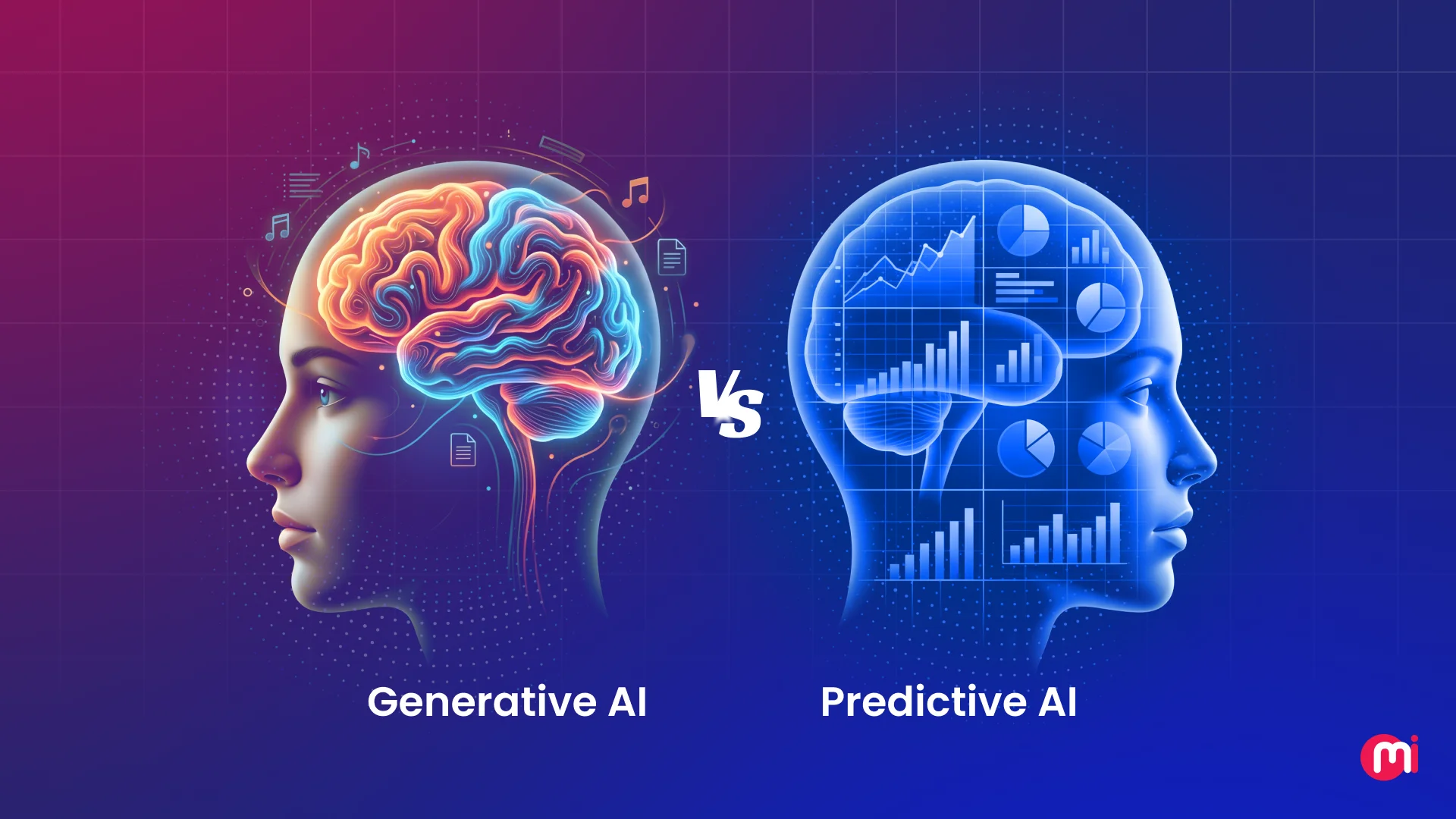
AI/ML: A Comprehensive Guide to Generative AI vs Predictive AI
In today’s technology-driven world, many modern AI tools are emerging that appear to predict what comes next. From conversational systems like ChatGPT to image generators like Midjourney and developer tools like GitHub Copilot, these tools seem to anticipate the next steps in various tasks. However, despite their appearance, they are not purely predictive AI tools.
When comparing generative AI vs predictive AI, it becomes clear that they are fundamentally different. While generative AI focuses on creating new content, predictive AI is designed to forecast outcomes based on historical data. Both types of AI serve distinct purposes across industries, and understanding their differences is crucial in choosing the right approach for a specific project.
Generative AI, also known as gen AI, is a branch of artificial intelligence that excels in creating original content such as text, images, video, audio, software code, and more. It achieves this by learning patterns from a wide range of existing data. Powered by models like large language models (LLMs) and diffusion models, generative AI is transforming how we work, create, and solve complex problems at scale.
On the other hand, predictive AI uses historical data, statistical analysis, and machine learning to identify patterns and forecast future events, behaviors, or trends. It is widely used in industries like healthcare, finance, manufacturing, and retail to make data-driven decisions and optimize operations.
When comparing generative AI and predictive AI, several key dimensions set them apart, including their objectives, training approach, data usage, model complexity, algorithms, output types, and more. Each type of AI has its strengths and weaknesses, making them suitable for different types of tasks and applications.
Real-life examples such as Netflix’s recommendation system and OpenAI’s ChatGPT showcase how predictive AI and generative AI are used in practical applications. These tools demonstrate the power of AI in personalization, content creation, decision-making, and more.
In conclusion, choosing between generative AI and predictive AI depends on the specific needs of a project. Generative AI is ideal for content creation, conversational interfaces, personalization, and unstructured data handling, while predictive AI is best suited for data-driven decision-making, structured data analysis, and real-time operations.
By understanding the differences between generative AI and predictive AI, businesses can harness the full potential of artificial intelligence to drive innovation, efficiency, and growth. Whether building conversational interfaces, creating personalized experiences, or optimizing operations, the right choice of AI technology can make a significant impact on business success.
Overall, the future of AI lies in the convergence of generative and predictive models, the rise of multimodal AI systems, and an increasing role in decision intelligence. By combining the strengths of both generative and predictive AI, businesses can unlock new possibilities and drive transformation in the digital age.











The Battle of Technology: iPhone 18 Pro vs AI

Revolutionizing Luxury: The 2027 Porsche Cayenne Electric with Automatic Doors and Wireless Charging

Capcom Takes a Stand Against Microtransactions in Monster Hunter Wilds: Ascendance

Uncovering the Hidden Quirks of iPhone Duo Design: A Tech Advisor’s Perspective

Xiaomi Redmi Note 17 5G Slashes Prices on Amazon – Tech Bargain Alert!

The Rise of Garden Rooms: Ireland’s Newest Home Craze

Lidl’s Autonomous Delivery Fleet: Revolutionizing Logistics in Germany

Streamlining Data Transfer: iOS 27.2 Facilitates Seamless App Upgrades

10 Android Mods that Change Everything

EU Takes Action Against Instagram and Facebook for Violating Illegal Content Rules

Warning: Facebook Creators Face Monetization Loss for Stealing and Reposting Videos

Facebook Compliance: ICE-tracking Page Removed After US Government Intervention

Facebook’s New Look: A Blend of Instagram’s Style

Facebook and Instagram to Reduce Personalized Ads for European Users

InstaDub: Meta’s AI Translation Tool for Instagram Videos

Reclaim Your Account: Facebook and Instagram Launch New Hub for Account Recovery

Meta discontinues Messenger apps for Windows and macOS

Breaking Updates: Meta Connect 2025 Unveils Latest Developments
10 Android Mods that Change Everything

I used the first Android Phone in the World.

DOOGEE MIX 4 UNBOXING (PROTOTYPE)!

MYSTERY UNBOXING FROM SAMSUNG!

The Truth about Huawei P20 Pro – REAL Review

How to Love your Android Phone again.

The LG G7 has a Big Problem.

The most Beautiful Android Games you’ve never played.

Charge your Smartphone in 5 Minutes – How Batteries are about to Change!
-
 Facebook11 months ago
EU Takes Action Against Instagram and Facebook for Violating Illegal Content Rules
-
 Facebook11 months ago
Warning: Facebook Creators Face Monetization Loss for Stealing and Reposting Videos
-
 Facebook11 months ago
Facebook Compliance: ICE-tracking Page Removed After US Government Intervention
-
 Facebook9 months ago
Facebook’s New Look: A Blend of Instagram’s Style
-
 Facebook9 months ago
Facebook and Instagram to Reduce Personalized Ads for European Users
-
 Facebook11 months ago
InstaDub: Meta’s AI Translation Tool for Instagram Videos
-
 Facebook10 months ago
Reclaim Your Account: Facebook and Instagram Launch New Hub for Account Recovery
-
 Apple11 months ago
Meta discontinues Messenger apps for Windows and macOS
