Social Media Scams: A Growing Threat Warned by the FTC
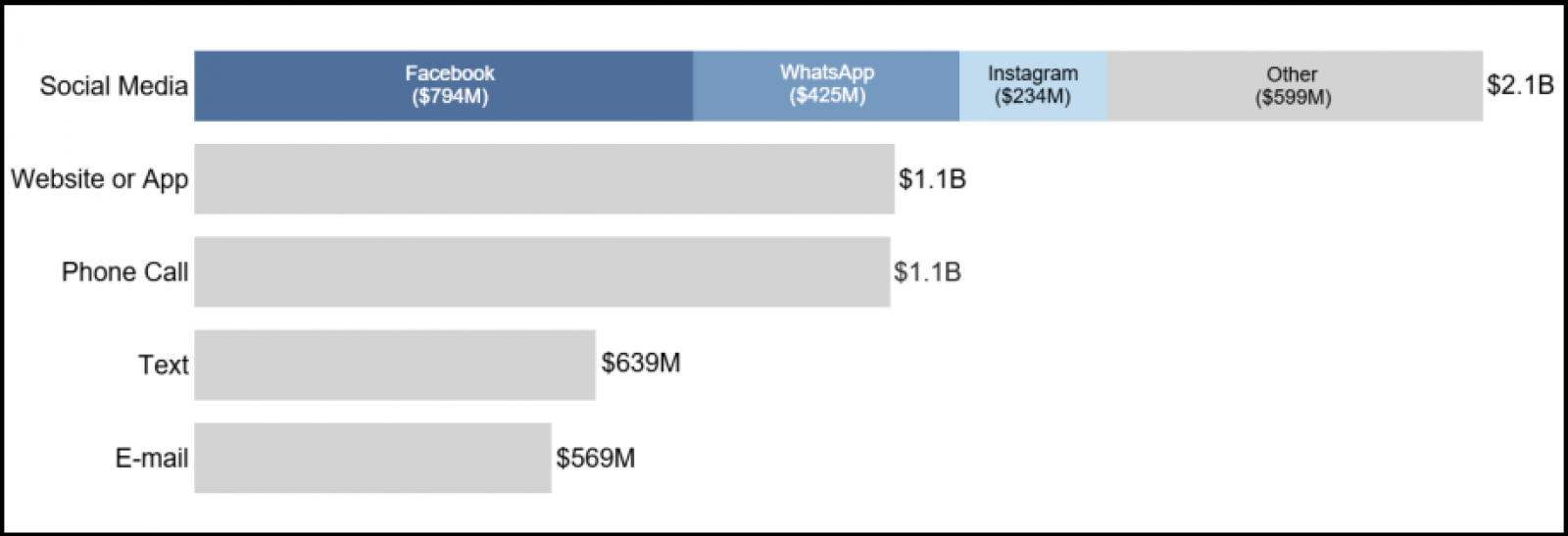
In recent years, the U.S. Federal Trade Commission (FTC) has issued warnings about the alarming rise in losses due to social media scams. The losses have skyrocketed to over $2.1 billion in 2025, marking a significant increase since 2020.
According to reports from the FTC’s Consumer Sentinel Network, individuals across all age groups, except those aged 80 and above who were primarily targeted through phone calls, fell victim to scams originating on social media platforms. Notably, Facebook emerged as the leading platform for fraudulent activities, surpassing WhatsApp and Instagram by a considerable margin. The data revealed that victims lost more money to Facebook scams alone compared to losses from text or email scams combined.
The statistics uncovered by the Commission painted a grim picture, with nearly one in three Americans who reported financial losses due to scams in the previous year stating that the scams originated on social media platforms. The FTC’s latest warning emphasized the staggering $2.1 billion in reported losses attributed to social media scams in 2025, representing an eightfold increase from 2020.
The FTC underscored the pervasive nature of social media scams, pointing out that scammers exploit the platform’s wide reach and accessibility to target unsuspecting individuals. The ease of access to billions of users worldwide enables scammers to employ various tactics, including hacking accounts, analyzing user posts to tailor scams, and utilizing targeted advertising based on user demographics and interests.
Combatting Social Media Scams: Meta’s Response
In response to the surge in social media scams, Meta, the parent company of Facebook, introduced new anti-scam measures across its platforms, including WhatsApp, Facebook, and Messenger. These initiatives include warning systems to flag suspicious friend requests on Facebook and tools to help users identify potential scams more effectively.
Meta’s recent efforts also involve enhancing security features on WhatsApp, such as warning users to only share their screens with trusted contacts during video calls. Additionally, the company rolled out tools to detect and prevent potential scams in group chats and messaging conversations.
Last year, Meta removed millions of scam-related ads and accounts on Facebook and Instagram, highlighting its commitment to combating fraudulent activities on its platforms.
Law Enforcement Response and Recommendations
In its 2025 Internet Crime Report, the FBI disclosed receiving over 1 million complaints related to cyber-enabled crimes, resulting in nearly $21 billion in losses. The crimes ranged from investment scams to data breaches, emphasizing the need for heightened vigilance online.
To mitigate the risk of falling victim to online scams, the FTC advises individuals to limit the visibility of their posts and contacts on social media, exercise caution when engaging with unknown individuals, and conduct thorough research on companies before making online transactions.
2025 top fraud methods by total reported loss (FTC)
Future Outlook: Addressing Emerging Threats
The landscape of online scams continues to evolve, with cybercriminals devising sophisticated techniques to exploit vulnerabilities. As the prevalence of social media scams persists, it is crucial for users to stay informed, exercise caution, and adopt proactive measures to safeguard their online presence.
AI chained four zero-days into one exploit that bypassed both renderer and OS sandboxes. A wave of new exploits is coming.
At the Autonomous Validation Summit (May 12 & 14), witness how autonomous, context-rich validation identifies exploitable vulnerabilities, validates control efficacy, and closes the remediation loop.