
Startups
Mastering the Modern Real Estate and Rental Landscape

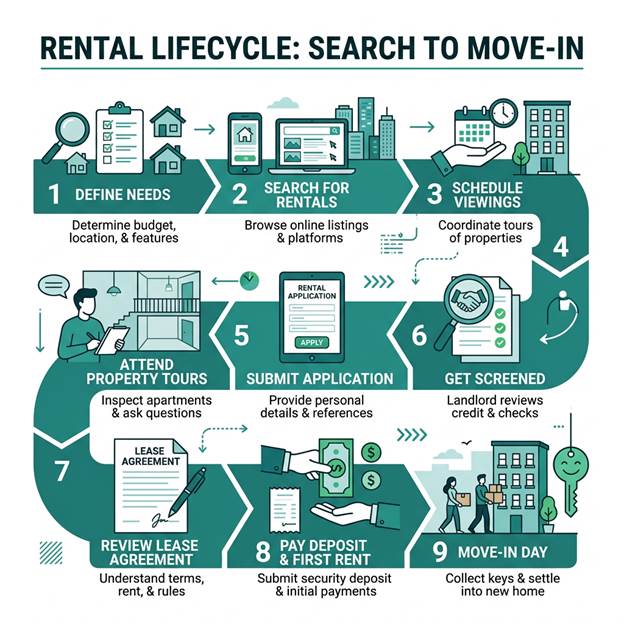
Mastering the Current Real Estate and Rental Scene
Preview of What’s to Come
Introduction
The landscape of real estate and property rentals is in constant flux. With the rising demand for housing and the urban migration trend, finding a place to live can be a daunting task. Understanding the dynamics of this market is crucial for all stakeholders.
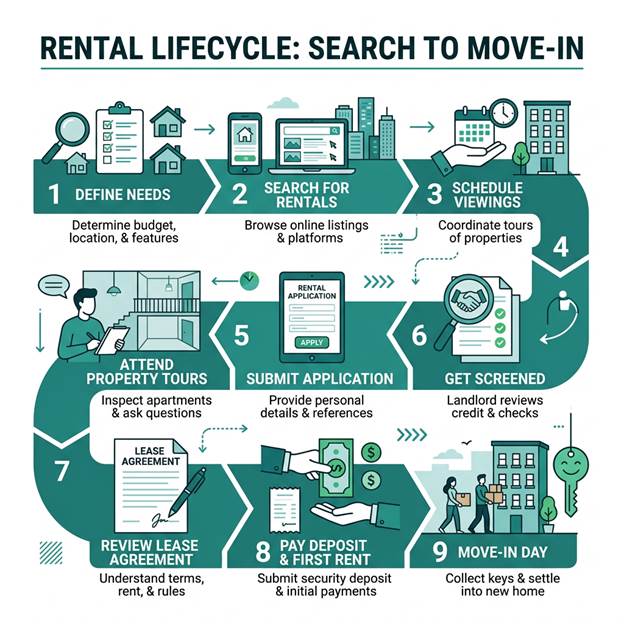
This comprehensive guide aims to assist you in navigating the complexities of the modern rental environment. From your initial search to the day you move in, we will walk you through the entire rental journey.
We will delve into the pivotal role played by real estate professionals and property managers. Additionally, we will provide insights on effective preparation for apartment hunting, covering common expenses, tenant rights, and landlord obligations. Moreover, we will explore how technology has simplified the process of finding and managing rentals.
Our objective is to furnish you with clear and practical information that will empower you to make informed decisions in today’s highly competitive rental market.
The Vital Role of Professionals in Real Estate and Property Rentals
Navigating the rental market, particularly in bustling urban hubs, can seem overwhelming. This is where real estate professionals and agents shine. Their wealth of market knowledge can significantly streamline the apartment hunting process for renters. From deciphering local market trends to uncovering hidden gems, their expertise is invaluable.

One of the key advantages of engaging a real estate agent is their ability to assist with lease negotiations. They can scrutinize lease agreements to ensure fairness and protection of renters’ rights—an essential service, as many renters may lack the legal acumen to analyze intricate contracts. Agents also offer invaluable insights into neighborhoods, aiding renters in discovering areas that align with their lifestyle, commute, and budget, especially when relocating to unfamiliar locales.
The time-saving efficiency gained by working with a professional is another significant perk. Agents can pre-screen properties, schedule viewings, and manage much of the administrative workload, freeing up renters’ valuable time. Their professional networks often grant them access to listings that are not widely advertised, including off-market properties, providing renters with a wider selection. When evaluating your options, it is beneficial to explore various resources, including a robust National real estate platform that can connect you with agents and listings across different regions.
Deciphering Broker Fees in Real Estate and Property Rentals
A common concern for renters contemplating professional assistance is the cost, particularly broker fees. These fees can vary significantly depending on the market and local customs. In highly competitive markets like New York City, it is customary for brokers to demand a fee equivalent to one month’s rent or even 15% of the annual rent. This can represent a substantial initial expense for renters.
Traditionally, in many markets, landlords paid agents a commission to secure qualified tenants, resulting in “no-fee” rentals for tenants. However, this is not universally applicable. In certain areas or for specific listings, the tenant is expected to cover the broker’s fee. It is imperative for renters to seek complete transparency regarding fees from the outset. Before signing any agreement, renters should have a clear understanding of who is responsible for paying the broker’s fee and the services that fee encompasses.
A significant pitfall to avoid is “double-dipping” on fees, where an agent may attempt to collect a fee from both the landlord and the tenant for the same transaction without full disclosure. Always discuss payment structures with both the agent and the potential landlord upfront to ensure there are no hidden costs or misunderstandings. Clear communication and a written agreement outlining all fees are essential for safeguarding your financial interests.
Gaining an Edge in Competitive Real Estate and Property Rentals
In fiercely competitive rental markets such as those in California or New York City, collaborating with an agent or manager can offer renters a distinct advantage. These markets are often characterized by limited supply and high demand, resulting in rapid turnover and intense competition among prospective tenants.
An agent’s local market acumen becomes indispensable in such scenarios. They are often privy to new listings before they are publicly listed, providing their clients with an early advantage. Their ability to act swiftly on promising properties, often submitting applications within hours of a viewing, can be the difference between securing a desired apartment and missing out. This prompt application submission is crucial when multiple strong applicants are vying for the same unit.
Furthermore, agents can grant access to off-market properties or private listings that landlords prefer to handle discreetly. They offer professional tenant representation, advocating on behalf of their clients and presenting their applications in the best possible light. This includes assisting renters in gathering all necessary documentation for a seamless vetting process, particularly vital in markets where landlords are inundated with applications. In such environments, an agent’s guidance can help renters navigate complex application requirements and stand out from the competition.
Essential Preparations for Prospective Tenants
Effective preparation is the cornerstone of a successful apartment search. Before embarking on your quest for the perfect rental, taking the time to organize your financial and administrative affairs can significantly enhance your chances of securing your ideal abode.
One of the pivotal steps is optimizing your credit score. Landlords and property managers typically conduct credit checks, and a robust credit score signals financial responsibility. Renters should obtain a copy of their credit report well in advance, scrutinize it for inaccuracies, and take measures to enhance their score if necessary. Alongside credit, be prepared to furnish robust income verification, usually in the form of recent pay stubs, employment letters, or tax returns. Landlords generally prefer tenants whose gross monthly income is at least two to three times the monthly rent.
Your employment history will also be under scrutiny. Maintaining a stable work record demonstrates reliability. Additionally, securing strong reference letters from previous landlords, employers, or personal contacts can bolster your application. These references offer landlords insights into your character and trustworthiness as a tenant.
Financial readiness goes beyond just income. You should be prepared for security deposits, which in California, for instance, are capped at one month’s rent for unfurnished properties. You may also need to pay the first month’s rent upfront, and potentially the last month’s rent, depending on local regulations and landlord stipulations. Having these funds readily available is crucial.
For individuals seeking specialized accommodations like furnished options, preparation might also entail understanding the specific terms and inclusions. Exploring resources such as Detroit 5K furnished rentals can offer insights into what to expect in such markets.
Here’s a breakdown of common documentation requirements:
- Standard Rental Application
- Corporate/Furnished Rental Application
- Government-Issued ID
- Proof of Income (Pay Stubs)
- Employment Verification
- Credit Report
- Rental History/References
- Bank Statements
- Co-signer Information
- Pet Information/Vaccination
- Vehicle Information
The Impact of Professional Property Management
Property management companies play a pivotal role in the rental landscape, serving as a crucial intermediary between landlords and tenants. For landlords, they offer peace of mind by overseeing the day-to-day operations of their properties. For tenants, they often provide a more structured and professional rental experience compared to renting directly from a private owner.
One of their most visible contributions is maintenance coordination. Property managers ensure that repairs are promptly and efficiently handled, from routine fixes to emergency situations. This prompt responsiveness is a significant benefit for tenants, contributing to a comfortable living environment. They also ensure compliance with legal requirements, staying abreast of the ever-changing landlord-tenant laws, which can be intricate, especially in states like California. This includes adhering to regulations such as the California security deposit caps, which restrict deposits to one month’s rent for unfurnished properties.
Property managers also play a crucial role in tenant relations, serving as the primary point of contact for inquiries, complaints, and lease enforcement. For landlords, they handle financial reporting, ensuring consistent rent collection and meticulous expense tracking.
A growing concern in contemporary apartment living is package theft. In 2024, a staggering 120 million packages were stolen, with California apartments facing three times the theft risk of single-family homes. Property management companies are increasingly addressing this issue by implementing package theft prevention measures, such as secure delivery zones or package lockers, which can reduce theft by up to 95%.
Understanding landlord responsibilities, such as the 24-hour entry notice laws (mandating landlords to provide 24-hour written notice before entering a tenant’s unit, except in emergencies), is also part of a property manager’s role in ensuring legal and respectful interactions.
Services Offered by Reputable Management Firms
Reputable property management firms provide a comprehensive array of services designed to benefit both property owners and renters. For owners, these services typically commence with robust marketing strategies to attract qualified tenants, including professional photography, online listings, and showings. They also conduct thorough tenant screening, encompassing credit checks, background checks, employment verification, and rental history reviews, significantly mitigating the risk of problematic tenancies.
Financial management is another core service, covering rent collection, expense tracking, and detailed accounting services, often furnishing owners with regular financial statements. Property inspections are conducted periodically to ensure the property is well-maintained and lease terms are being adhered to. Firms like All East Bay Properties, which manages over 550 properties with over 20 years of local expertise, exemplify a comprehensive approach to property management, offering owners peace of mind. Similarly, companies like Simmons Real Estate are known for providing extensive services, including marketing, tenant relations, maintenance, accounting, and even relocation assistance, making them a valuable resource for both owners and tenants. In competitive regions like Santa Clara, property managers such as Ziprent Property Management, with its 398 reviews, demonstrate the demand for professional services that streamline the rental process.
For renters, these firms serve as a professional point of contact for maintenance requests, rent payments, and lease inquiries. Some even offer additional services like relocation assistance or access to storage solutions, simplifying the moving process.
Navigating Local Regulations and Tenant Rights
Understanding local regulations and tenant rights is essential for a seamless rental experience. These laws vary significantly by state and even by city, encompassing everything from security deposits to eviction protections.
In California, for example, security deposits are capped at one month’s rent for unfurnished properties. Renters should be mindful of restrictions on guest stays, as many East Bay rental agreements, for instance, limit consecutive guest stays to 7-14 days to prevent unauthorized occupants. Holiday decoration policies can also be subject to lease stipulations; California law does not guarantee renters the right to display holiday decorations on balconies or exteriors if prohibited by the lease.
Fire safety codes are another critical consideration, especially in multi-family housing, where restrictions on open-flame cooking devices may apply. Rent control regulations, where applicable, can limit how much a landlord can raise rent, offering stability to tenants in certain jurisdictions. Lease compliance extends to all terms outlined in the agreement, and understanding these can avert disputes.
Finally, tenants should be aware of eviction protections, which vary by location and circumstances. For instance, landlords are typically mandated to provide 24-hour written notice before entry, except in emergencies, a regulation that has been in effect in California since 1975. Being knowledgeable about these rights and responsibilities empowers renters to assert themselves and ensures a fair and lawful tenancy.
Leveraging Technology and Online Portals
The digital era has revolutionized the process of finding and managing rental properties. Online portals, apps, and platforms have become indispensable tools for both renters and property managers, streamlining nearly every aspect of the rental journey.
Modern rental platforms often feature AI-driven search functionalities, enabling renters to filter properties based on precise criteria, from pet policies to desired amenities. Real-time alerts notify users instantly when a property matching their preferences becomes available, a critical feature in fast-paced markets. Virtual tours and high-quality images allow prospective tenants to explore properties remotely, saving time and travel expenses.
Digital lease execution has simplified the paperwork, enabling renters to sign agreements electronically from anywhere. Rent payment automation streamlines monthly payments for tenants and ensures consistent income for landlords. Many platforms also offer convenient maintenance request tracking, allowing tenants to submit and monitor repair requests online, enhancing communication and response times.
Beyond property search, some platforms offer innovative features such as credit-building programs, like Experian RentBureau, which enables renters to enhance their credit through on-time rent payments. This can be a significant advantage for those looking to bolster their financial standing. Overall, these technological advancements make the rental process more efficient, transparent, and user-friendly for all parties involved.
Frequently Asked Questions about Rental Markets
Should I enlist a real estate agent to find an apartment?
Definitely. While it’s feasible to search for an apartment independently, engaging a real estate agent offers numerous advantages, particularly in competitive markets or during relocations. Agents possess extensive market knowledge, comprehending local trends, pricing, and neighborhood intricacies. They can provide lease review protection, ensuring you grasp the terms and conditions of your rental agreement and safeguarding your rights. Furthermore, agents often have access to exclusive listings or properties that have not yet been publicly listed, giving you a competitive edge. Their neighborhood expertise can also be invaluable in helping you locate a spot that perfectly aligns with your lifestyle and requirements.
Who bears the responsibility for paying the broker fee?
The responsibility for covering the broker fee can vary significantly based on local market practices and the specific agreement. In certain markets, especially those with high demand, it is customary for the tenant to foot the bill for the broker’s fee, which could be a fixed rate, one month’s rent, or a percentage of the annual rent. In other scenarios, the landlord covers the broker’s commission, resulting in a “no-fee” rental for the tenant. It is crucial to clarify this upfront with both your agent and the landlord. Do not hesitate to engage in fee negotiation strategies, as there may be flexibility. Always plan your upfront costs meticulously, ensuring you comprehend all financial obligations before committing to a property.
How can I safeguard my packages from theft in an apartment?
Package theft is a growing concern, with 120 million packages pilfered in 2024, and California apartments facing three times the theft risk of single-family homes. Fortunately, effective strategies and technologies can combat this issue. Many apartment complexes are now installing package lockers, which have been proven to reduce theft by up to 95%. These secure delivery zones provide a secure location for carriers to leave packages, accessible only to the intended recipient. If your building lacks package lockers, consider having packages delivered to your workplace, a trusted neighbor, or a local Amazon Locker or UPS Access Point. It is also crucial to communicate with your property management about their policies and any initiatives they are implementing to enhance package security.
Conclusion
Navigating the contemporary real estate and rental market necessitates a blend of informed decision-making, strategic planning, and often, professional collaboration. As the market evolves, adapting to new trends and leveraging available resources becomes increasingly vital.
Whether you are a novice renter or a seasoned tenant, understanding the nuances of broker fees, the advantages of professional property management, and your tenant rights is paramount. The surge of technology, from AI-driven searches to digital lease signings, further empowers renters to locate and manage their residences with heightened efficiency.
By staying informed, preparing diligently, and capitalizing on the expertise of real estate professionals and property managers, we can all attain greater long-term housing stability. The future of rentals promises ongoing innovation, and an informed approach will always be your best compass.













Google Unveils Powerful Gemini 4, Reserved for Trusted Cyber Defenders

Beware: DarkSword Malware Hidden in Fake $500 iPhone Duo Page

Unboxing the First Ever Samsung Galaxy S!!

Explore the Luxury Options with the New BMW i3 Configurator, Reaching a Price of $78,650

Microsoft Executive’s Warning: The Decline of App Pricing Power

Football Manager 27: Get Ready for Kickoff with the Ultimate Match Day Experience Trailer!

Google Pixel 11a: A Closer Look at the Familiar Design

Cerebras Systems’ Andrew Feldman: A Disruptive Force in 2026

The Halide Camera App Revolutionizes iPhone 18 Pro Photography with Full Aperture Control

EU Takes Action Against Instagram and Facebook for Violating Illegal Content Rules

Warning: Facebook Creators Face Monetization Loss for Stealing and Reposting Videos

Facebook’s New Look: A Blend of Instagram’s Style

Facebook Compliance: ICE-tracking Page Removed After US Government Intervention

Facebook and Instagram to Reduce Personalized Ads for European Users

InstaDub: Meta’s AI Translation Tool for Instagram Videos

Reclaim Your Account: Facebook and Instagram Launch New Hub for Account Recovery

Meta discontinues Messenger apps for Windows and macOS

Breaking Updates: Meta Connect 2025 Unveils Latest Developments
Unboxing the First Ever Samsung Galaxy S!!

Huawei P Smart – Huawei’s new Killer Budget Smartphone!

MYSTERY Package from Xiaomi – HUGE UNBOXING!

5 ways you’re using your Smartphone wrong.

THE INSANE DUAL BATTERY SMARTPHONE!

ELEPHONE U PRO UNBOXING AND REVIEW!

Mrwhosetheboss – 1 Million Subscribers

The Surprising TRUTH about Samsung – 15 things you did not know.

10 Incredible Android DIY Hacks!
-
 Facebook11 months ago
EU Takes Action Against Instagram and Facebook for Violating Illegal Content Rules
-
 Facebook12 months ago
Warning: Facebook Creators Face Monetization Loss for Stealing and Reposting Videos
-
 Facebook10 months ago
Facebook’s New Look: A Blend of Instagram’s Style
-
 Facebook12 months ago
Facebook Compliance: ICE-tracking Page Removed After US Government Intervention
-
 Facebook10 months ago
Facebook and Instagram to Reduce Personalized Ads for European Users
-
 Facebook12 months ago
InstaDub: Meta’s AI Translation Tool for Instagram Videos
-
 Facebook10 months ago
Reclaim Your Account: Facebook and Instagram Launch New Hub for Account Recovery
-
 Apple11 months ago
Meta discontinues Messenger apps for Windows and macOS
