
Cars
The Electrifying Transformation of BMW’s Munich Plant: A $700M Journey to All-Electric Production by 2027

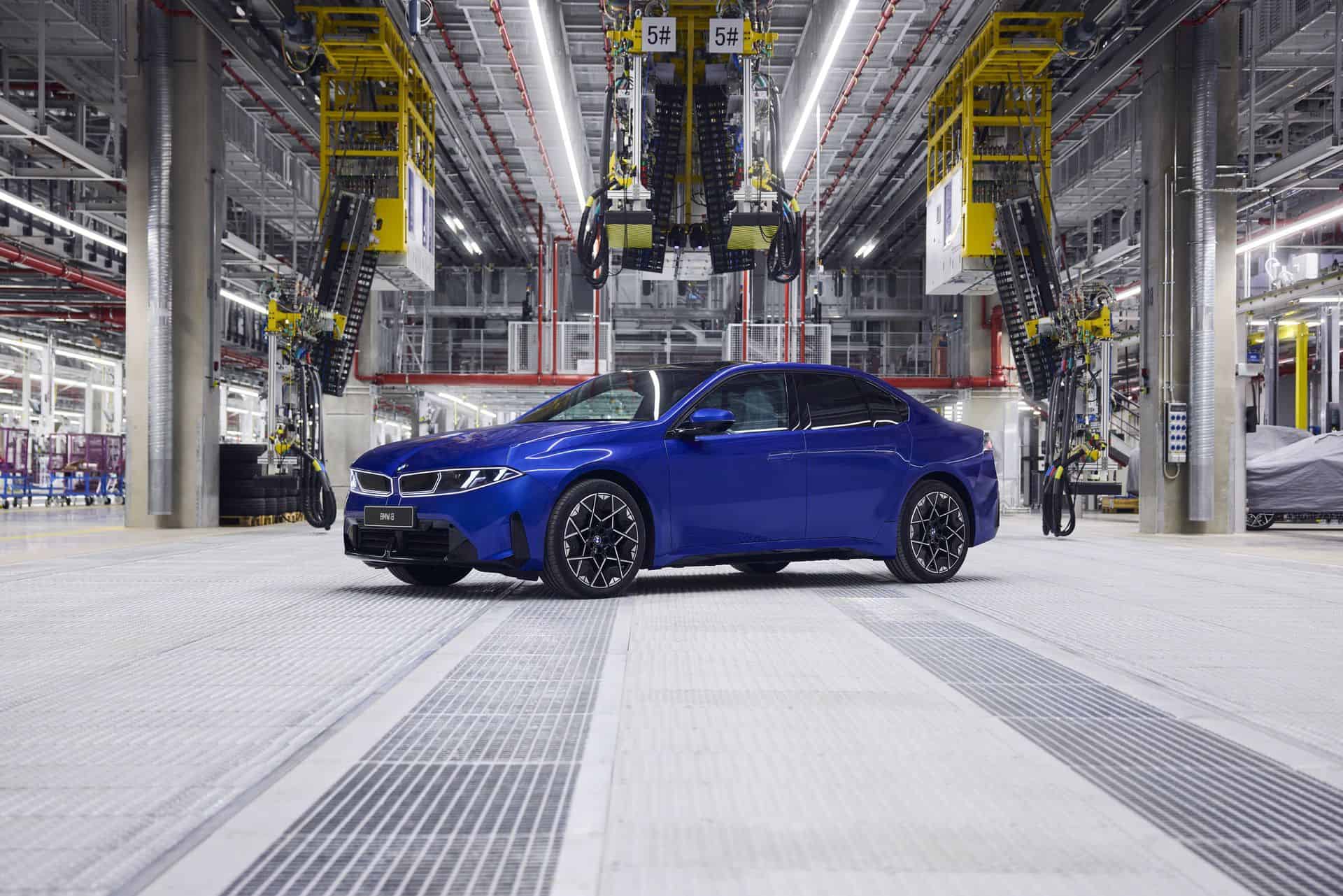
Insight into BMW’s State-of-the-Art Munich Factory Transformation
- BMW undertook a massive overhaul of its Munich factory, revamping a significant portion of the facility with cutting-edge technology, including an advanced body shop featuring 800 robots operating at 98% automation, all while maintaining a daily production of up to 1,000 cars.
- The Munich plant is set to transition to full electric vehicle production by 2027, with BMW forecasting a further 10% reduction in per-vehicle production costs upon the launch of the new BMW i3 model in August, positioning them below the current gas-powered models.
- The former engine manufacturing hall has been repurposed to assemble electric vehicles, with the BMW i3 model already transmitting real-time status updates on up to 20,000 features to the production system.
BMW has undertaken a multi-million euro investment in the transformation of its Munich plant, focusing on enhancing efficiency and sustainability. The new body shop was meticulously planned using virtual simulation, with 800 robots now handling joining processes with remarkable precision at 98% automation.
The press shop at the facility processes tens of thousands of steel and aluminum components daily, benefitting from standardized specifications that allow for seamless operations across BMW’s global network. Furthermore, the paint shop incorporates AI cameras for real-time defect detection and correction, along with energy-efficient exhaust air cleaning systems.
The assembly line, situated in the former engine manufacturing hall, showcases advanced technology where the BMW i3 model communicates production status updates instantaneously, ensuring prompt issue resolution during the manufacturing process.
Efficient Logistics and In-House Seat Production
The Munich plant manages a staggering 2.5 million parts daily, with streamlined logistics processes that minimize intermediate storage. Automation plays a key role in handling supply tasks, with a centralized control station overseeing the seamless flow of components.
Additionally, Munich stands out for producing its own seats on-site for all models, serving as a benchmark for quality seat production within BMW. This approach allows for rigorous testing of new materials and manufacturing techniques, ensuring top-tier seating solutions for their vehicles.
Driving Cost Efficiency through Innovation
Plant head Peter Weber anticipates a 10% reduction in overall production costs with the introduction of the BMW i3 model, underscoring the benefits of process enhancements and the streamlined architecture of the Neue Klasse platform. BMW’s focus on electric vehicle production emphasizes a cost-effective manufacturing approach.
The BMW i3 model marks the beginning of a series of Neue Klasse models to be produced in Munich, with batteries sourced from a nearby facility in Lower Bavaria and electric motors manufactured at BMW’s Steyr plant in Austria, showcasing the brand’s commitment to sustainable and innovative practices.
Transform the following sentence from active voice to passive voice:
“The students are writing an essay.”
Answer: An essay is being written by the students.












FRITZ!OS 8.50 Launches with Enhanced Features: DNS Filtering, Automatic Prioritization, and Matter Bridge Support

The Future of AI Adoption: Exploring the 2% of Consumers Embracing Super Intelligence

Apple’s Testimony: The Case for Removing ICEBlocks

Tesla’s Groundbreaking Feature: Use at Your Own Risk

NO GAME NO LIFE: Grasshopper Manufacture’s Indie Leap

Strengthening Ties: GEC Enhances Ireland-UK Startup Network in the Midst of EU Discussions

Unbeatable Deal: The AirPods Pro 3 for Only $179

Breaking News: Exclusive Details on the Latest Fitbit Edge Features

Apple Store Security Alert: HK Police Demand Fix for $3.8M Fraud Loophole

EU Takes Action Against Instagram and Facebook for Violating Illegal Content Rules

Warning: Facebook Creators Face Monetization Loss for Stealing and Reposting Videos

Facebook’s New Look: A Blend of Instagram’s Style

Facebook Compliance: ICE-tracking Page Removed After US Government Intervention

Facebook and Instagram to Reduce Personalized Ads for European Users

InstaDub: Meta’s AI Translation Tool for Instagram Videos

Reclaim Your Account: Facebook and Instagram Launch New Hub for Account Recovery

Meta discontinues Messenger apps for Windows and macOS

Breaking Updates: Meta Connect 2025 Unveils Latest Developments

Faraday Future FF 91 – 1050 Horsepower Madness!

The Truth about the OnePlus 5T – REAL Review.

Concept Smartphones that are better than Real Smartphones

Samsung Galaxy SII Unboxing!

The SECRET to Maximise Smartphone Battery Life?

We Designed the Ultimate Gaming Smartphone of 2018!

Using the Cheapest Smartphone in the World.

Samsung Galaxy S9+ Unboxing! (Clone)

Unboxing the First Ever Samsung Galaxy S!!
-
 Facebook12 months ago
EU Takes Action Against Instagram and Facebook for Violating Illegal Content Rules
-
 Facebook12 months ago
Warning: Facebook Creators Face Monetization Loss for Stealing and Reposting Videos
-
 Facebook10 months ago
Facebook’s New Look: A Blend of Instagram’s Style
-
 Facebook12 months ago
Facebook Compliance: ICE-tracking Page Removed After US Government Intervention
-
 Facebook10 months ago
Facebook and Instagram to Reduce Personalized Ads for European Users
-
 Facebook12 months ago
InstaDub: Meta’s AI Translation Tool for Instagram Videos
-
 Facebook10 months ago
Reclaim Your Account: Facebook and Instagram Launch New Hub for Account Recovery
-
 Apple12 months ago
Meta discontinues Messenger apps for Windows and macOS
