
Inovation
Enhancing Pharmacy Security and Compliance through Identity Assurance

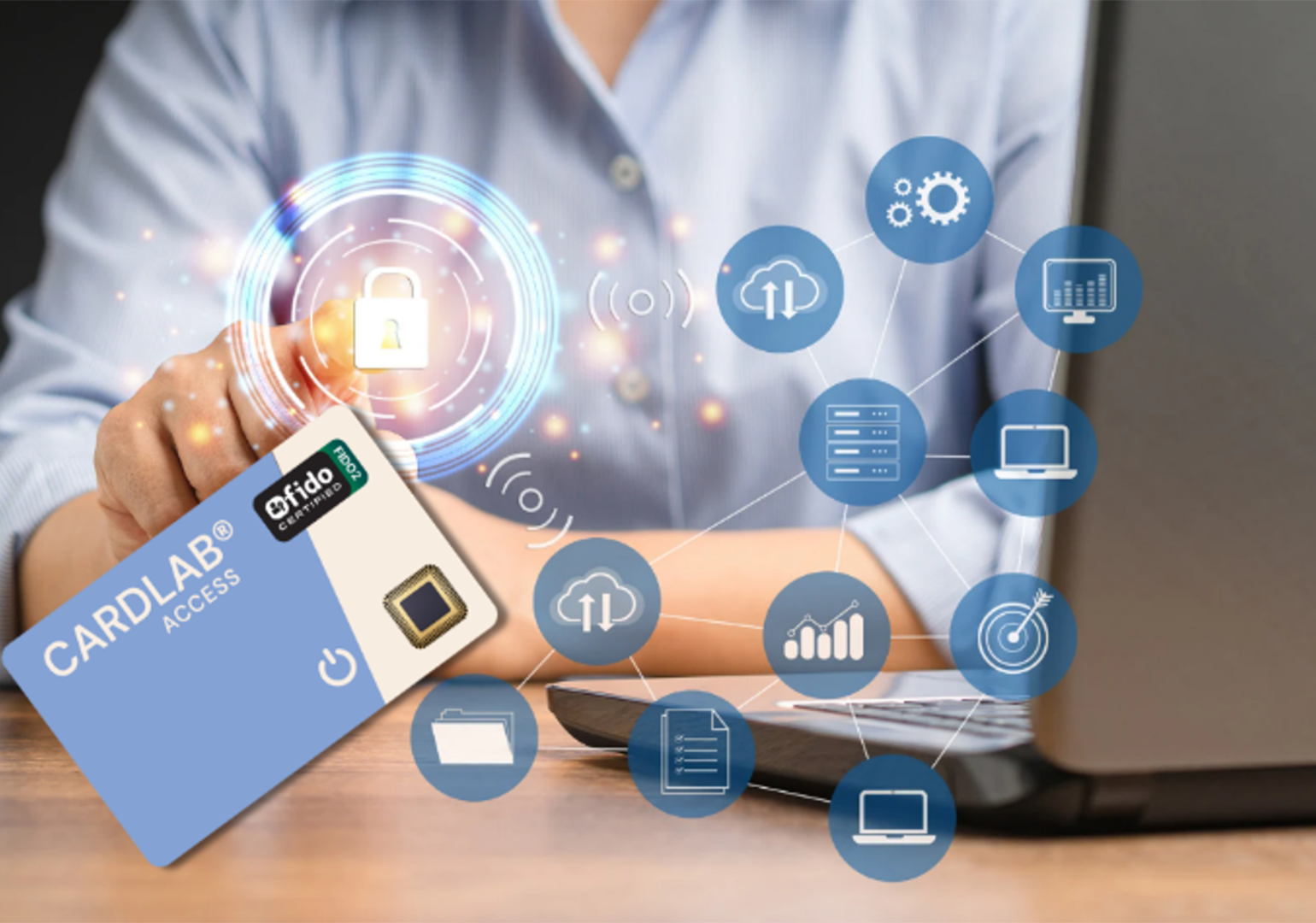
In the realm of highly regulated industries, the traditional reliance on passwords, PINs, and access cards as proof of identity is facing increasing scrutiny. The need for identity assurance, which goes beyond mere credential authentication, is becoming paramount. This shift marks a significant transformation in the cybersecurity landscape, where establishing and maintaining confidence in the identity of individuals behind critical physical and digital events is crucial. Compliance in this new era begins with trusted identity.
A pertinent example of this industry evolution can be seen in the pharmacy sector, where patient safety, controlled substances, personal data, and financial transactions intersect. Pharmacies require swift operations while ensuring that every crucial activity is confined to authorized personnel and traceable post-execution. The key question has shifted from validating the use of a valid card or code to demonstrating the identity of the individual who carried out the action.
A recent project undertaken by a pharmacy chain exemplifies this challenge. The chain aimed to enhance compliance measures while modernizing its payment and reporting systems. Existing processes relied on traditional credentials for access to premises, medicine storage, IT systems, and payment functions. While these tools facilitated daily operations, they did not consistently provide concrete evidence of the person responsible for each event.
During the assessment phase, it was revealed that common shortcuts, such as sharing PINs, swapping access cards, or using a colleague’s credentials, were prevalent among employees to circumvent delays. While these actions were not necessarily malicious, they compromised the audit trail, making it difficult for management to ascertain with certainty who accessed restricted areas, handled medication, logged into systems, or authorized payments. This uncertainty also complicated attendance reviews and investigations into inventory discrepancies.
To address this compliance challenge, the pharmacy sought a solution that would verify the identity of individuals rather than just their credentials. The goal was to have a unified control model encompassing physical access, digital systems, medication handling, and payments. Implementing separate tools for each environment would have increased complexity and fragmented compliance reporting.
The solution came in the form of an integrated use case combining CardLab’s biometric Identity Assurance Platform with Kvanto’s secure payment and transaction infrastructure. CardLab provided biometric smart cards to authorized employees, enabling on-card fingerprint matching for authentication without the need to expose biometric data to online services. This approach ensured that possession of the card alone was inadequate for activation, as the authorized user’s fingerprint was required.
Upon successful on-card verification, the card generated the necessary authentication code for connected readers, terminals, or applications. CardLab’s backend capabilities, including FIDO-based integration, allowed the verified identity to be recognized across digital and physical services, with access rights governed by the pharmacy’s role model and Active Directory. This ensured that identity assurance confirmed the individual while existing policies dictated their actions.
Once CardLab established the identity of the authorized employee, Kvanto’s secure digital payment and remittance infrastructure facilitated the completion of transactions. Kvanto’s robust gateway architecture integrated payment processing, acquiring services, fraud management, and backend systems while ensuring high operational availability. Together, the platforms established a continuous chain of trust, linking verified employee identities to secure transaction processing and regulatory reporting.
In practice, employees verified their identities before accessing restricted areas or sensitive applications, allowing the system to track their actions such as entering a medicine vault, accessing the pharmacy system, preparing prescriptions, releasing medication, and processing payments. Unauthorized attempts were also recorded. This approach eliminated the operational value of sharing passwords, PINs, or access cards, as each action was linked to the verified employee’s biometrically confirmed identity.
The implementation focused on defining roles and permissions within the pharmacy’s Active Directory, mapping access decisions to verified employee identities, and updating permissions as needed. This streamlined access control and simplified compliance reporting, enhancing operational efficiency and audit readiness. The deployment was phased to prioritize high-risk workflows, gradually extending the identity model to various operational aspects while refining reporting formats and exception rules based on real-world data.
The emphasis on usability ensured that security measures did not introduce unnecessary friction that could lead to workarounds. By making biometric identity verification fast, consistent, and seamlessly integrated into workflows, the system became a facilitator rather than an impediment to operations. This approach not only enhanced cybersecurity but also improved workflow efficiency, reduced compliance uncertainty, and streamlined audit processes.
The most significant benefit of this integrated solution was the quality of the audit trail it produced. Each event could be tied to a biometrically verified employee, along with timestamps, system or location data, and specific actions taken. Instead of piecing together activities from disparate logs and shared accounts, the pharmacy could generate a comprehensive compliance record from trusted operational data. Reporting covered physical entry, medicine storage access, digital logins, prescription handling, and payment approvals, providing rapid access to critical information for internal control, exception handling, and regulatory compliance.
Moreover, the enhanced data visibility facilitated stock investigations, allowing management to identify discrepancies and trace them back to specific employees and actions. By linking controls to verified identity data, biometric identity assurance complemented existing procedures, staff training, and segregation of duties, making compliance controls more robust and dependable.
The shift towards biometric identity assurance signifies a departure from traditional credential-based security measures to a more individual-centric approach. By verifying the identity of individuals rather than relying on credentials alone, organizations can establish trust in every regulated action and enhance accountability. This approach not only bolsters cybersecurity but also supports privacy by design, operational efficiency, and compliance readiness.
The pharmacy project serves as a testament to the broader transformation taking place in regulated industries, where trust in credentials is no longer sufficient. By combining CardLab’s biometric Identity Assurance Platform with Kvanto’s secure payment infrastructure, organizations can create a foundation for trusted digital operations, ensuring that only authorized personnel handle critical tasks securely and efficiently. Identity assurance is evolving from a cybersecurity capability to a cornerstone of trusted digital operations.













US Announces $215m Prize for Advanced Quantum Computing Technologies

Bungie’s Unvaulting Destiny 2: Expanding Content, Creating New Games, and Transforming Marathon into a Deep Survival Adventure

Closing the Gap: How Googlebook is Propelling Android to Compete with Apple’s Ecosystem

Revolutionizing Android Reading: 5 Groundbreaking Googlebook Features

Time is Running Out: Save up to $200 on Your Disrupt 2026 Ticket!

Discovering Apple’s Future: John Ternus’ Quest for the Next Breakthrough

GM’s Apple CarPlay Integration Stands Strong: It Never Left in the First Place

Introducing the Latest Addition to Your iPhone: The All-New App on iOS 27

The BEST APPS in 2018 – ft. MKBHD, UrAvgConsumer, iJustine + More

EU Takes Action Against Instagram and Facebook for Violating Illegal Content Rules

Warning: Facebook Creators Face Monetization Loss for Stealing and Reposting Videos

Facebook’s New Look: A Blend of Instagram’s Style

Facebook Compliance: ICE-tracking Page Removed After US Government Intervention

Facebook and Instagram to Reduce Personalized Ads for European Users

InstaDub: Meta’s AI Translation Tool for Instagram Videos

Reclaim Your Account: Facebook and Instagram Launch New Hub for Account Recovery

Meta discontinues Messenger apps for Windows and macOS

Breaking Updates: Meta Connect 2025 Unveils Latest Developments
The BEST APPS in 2018 – ft. MKBHD, UrAvgConsumer, iJustine + More

The ULTIMATE Smartphone Unboxing!!

HOW GOOD can a $250 Smartphone Camera be!?

10 Android Apps you NEED to try in 2018

They could not believe how cheap this Phone is

A $50,000 Smartphone for $400?

Huawei P20 Pro Unboxing!

Huawei P20 Pro vs Samsung S9 Plus!

Huawei P20 vs P20 Pro vs iPhone 8 Plus vs S9 Battery Drain Test!
-
 Facebook11 months ago
EU Takes Action Against Instagram and Facebook for Violating Illegal Content Rules
-
 Facebook11 months ago
Warning: Facebook Creators Face Monetization Loss for Stealing and Reposting Videos
-
 Facebook10 months ago
Facebook’s New Look: A Blend of Instagram’s Style
-
 Facebook11 months ago
Facebook Compliance: ICE-tracking Page Removed After US Government Intervention
-
 Facebook10 months ago
Facebook and Instagram to Reduce Personalized Ads for European Users
-
 Facebook11 months ago
InstaDub: Meta’s AI Translation Tool for Instagram Videos
-
 Facebook10 months ago
Reclaim Your Account: Facebook and Instagram Launch New Hub for Account Recovery
-
 Apple11 months ago
Meta discontinues Messenger apps for Windows and macOS
