
Startups
This is Not Fine: AI Startup Accused of Art Theft by Creator

The Story Behind the “This is Fine” Meme and AI Startup Artisan’s Controversial Ad Campaign
In the world of memes, one of the most enduring and recognizable images is that of an anthropomorphic dog sitting calmly amidst flames, saying, “This is fine.” Created by artist KC Green in his webcomic “Gunshow” back in 2013, this image has taken on a life of its own, becoming a symbol of ironic acceptance in the face of chaos.
Recently, however, Green found himself embroiled in controversy when his iconic artwork was allegedly used without his permission in an ad campaign by AI startup Artisan. The ad, featuring the familiar dog now saying, “[M]y pipeline is on fire,” was displayed in a subway station with a message urging viewers to “Hire Ava the AI BDR.”
Upon discovering the ad, Green took to social media to express his outrage, stating that his art had been “stolen like AI steals.” He called on his followers to “please vandalize it if and when you see it,” highlighting the frustration many artists face when their work is exploited for commercial gain without consent.
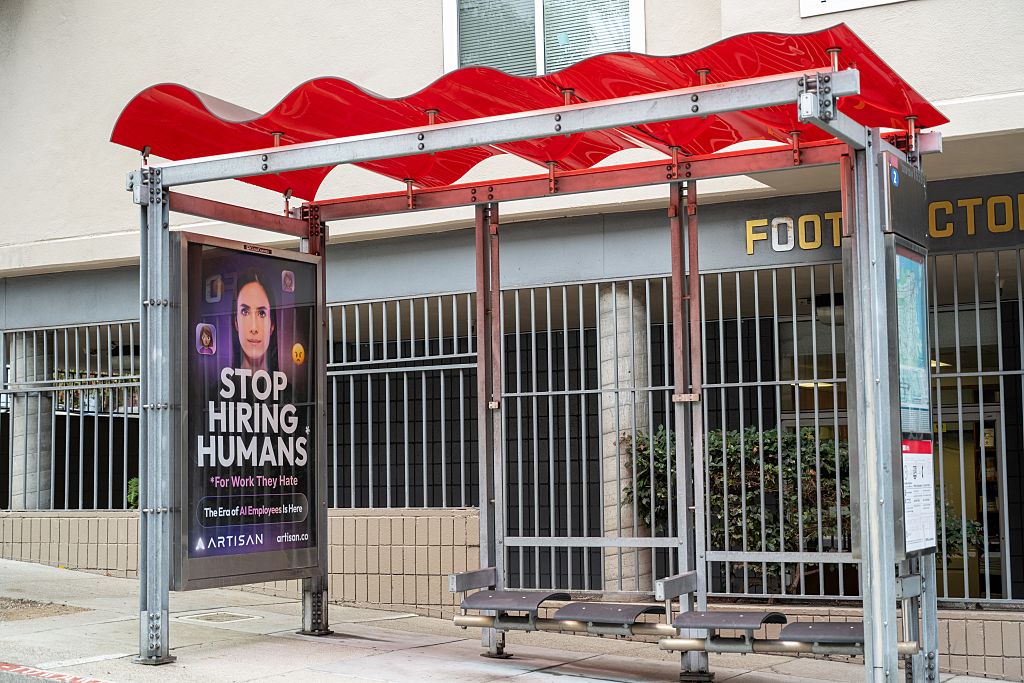
Artisan, in response to inquiries about the ad, expressed their respect for Green and his work, stating that they were reaching out to him directly to address the situation. The company has a history of provocative ads, such as billboards advocating for businesses to “Stop hiring humans,” which sparked controversy but were defended by founder and CEO Jaspar Carmichael-Jack as commentary on a specific category of work.
While Green contemplates seeking legal recourse against Artisan for the unauthorized use of his art, he laments the time and energy it will take away from his true passion of creating comics and stories. He acknowledges the growing trend of artists having to defend their intellectual property rights in the face of widespread meme culture and AI-driven content creation.
Ultimately, Green’s experience serves as a cautionary tale for artists navigating the digital landscape, where their creations can easily be co-opted and monetized without their consent. As he considers his next steps, he reflects on the importance of protecting artistic integrity in an increasingly automated and algorithm-driven world.
Legal Battles and Artistic Integrity
Green’s situation is not unique, as artists like cartoonist Matt Furie have also faced legal challenges when their work is used without permission for commercial purposes. Furie famously sued right-wing conspiracy site Infowars for using his character Pepe the Frog in a poster, leading to a settlement that underscored the importance of respecting artists’ rights.
As Green weighs his options for legal representation, he emphasizes the need for artists to assert their rights and hold accountable those who exploit their work for profit. Despite the challenges ahead, he remains determined to protect his creative vision and ensure that his art is treated with the respect and recognition it deserves.
In conclusion, the controversy surrounding Artisan’s ad campaign serves as a reminder of the complex relationship between art, technology, and intellectual property rights in the digital age. Artists like KC Green continue to fight for their creative autonomy in a landscape where memes and AI-driven content blur the lines between inspiration and appropriation.
When you purchase through links in our articles, we may earn a small commission. This doesn’t affect our editorial independence.









Exploring Gartner’s Four AI Tiers for Enhanced Warehouse Automation

Revolutionizing Weather Predictions: The Upgraded iOS 27 Forecasting System

Advancing GWM’s ADAS Technology for the Australian Market

Tokyo Drift: Crazy Taxi Takes on Japan in World Tour Expansion

Exciting News: Samsung Galaxy Phones Set to Receive One UI 9 Update

From Concept to Creation: The Power of Rapid Prototyping in Product Development

Empowering Agents: Fulcra’s Universal Multiplayer Experience

Apple Unveils Groundbreaking iOS 27.2 Developer Beta for iPhone

Huawei P20 Pro vs Samsung S9 Plus!

EU Takes Action Against Instagram and Facebook for Violating Illegal Content Rules

Warning: Facebook Creators Face Monetization Loss for Stealing and Reposting Videos

Facebook Compliance: ICE-tracking Page Removed After US Government Intervention

Facebook’s New Look: A Blend of Instagram’s Style

Facebook and Instagram to Reduce Personalized Ads for European Users

InstaDub: Meta’s AI Translation Tool for Instagram Videos

Reclaim Your Account: Facebook and Instagram Launch New Hub for Account Recovery

Meta discontinues Messenger apps for Windows and macOS

Breaking Updates: Meta Connect 2025 Unveils Latest Developments
Huawei P20 Pro vs Samsung S9 Plus!

Huawei P20 vs P20 Pro vs iPhone 8 Plus vs S9 Battery Drain Test!

10 Android Mods that Change Everything

I used the first Android Phone in the World.

DOOGEE MIX 4 UNBOXING (PROTOTYPE)!

MYSTERY UNBOXING FROM SAMSUNG!

The Truth about Huawei P20 Pro – REAL Review

How to Love your Android Phone again.

The LG G7 has a Big Problem.
-
 Facebook11 months ago
EU Takes Action Against Instagram and Facebook for Violating Illegal Content Rules
-
 Facebook11 months ago
Warning: Facebook Creators Face Monetization Loss for Stealing and Reposting Videos
-
 Facebook11 months ago
Facebook Compliance: ICE-tracking Page Removed After US Government Intervention
-
 Facebook9 months ago
Facebook’s New Look: A Blend of Instagram’s Style
-
 Facebook9 months ago
Facebook and Instagram to Reduce Personalized Ads for European Users
-
 Facebook11 months ago
InstaDub: Meta’s AI Translation Tool for Instagram Videos
-
 Facebook10 months ago
Reclaim Your Account: Facebook and Instagram Launch New Hub for Account Recovery
-
 Apple11 months ago
Meta discontinues Messenger apps for Windows and macOS
