
Tech News
Maximizing Efficiency: Harnessing the Power of Digital Twins to Slash Maintenance Costs by 30-50%

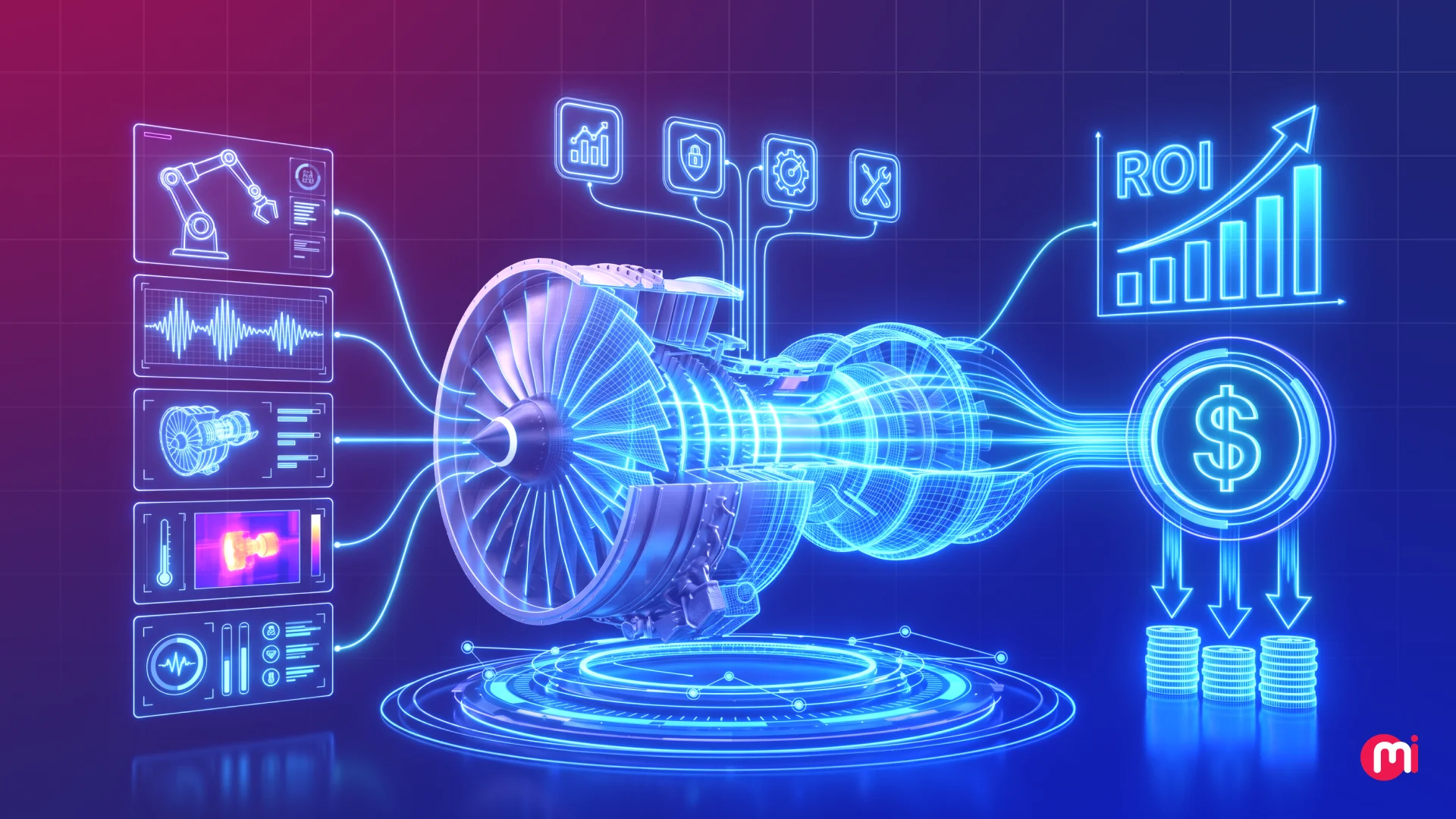
Digital Twins: Revolutionizing Maintenance Strategies for Asset-Intensive Industries
By John Doe
Asset-intensive industries face significant challenges when it comes to maintenance failures. These failures are not just operational issues; they pose a serious risk to revenue. A single hour of unplanned downtime in manufacturing or energy operations can result in substantial financial losses, ranging from thousands to millions of dollars depending on the scale of the facility. Despite this, many organizations still rely on fixed maintenance schedules that do not accurately reflect the actual conditions of their equipment.
The main issue lies in the lack of visibility. Without real-time insights into how equipment performs in the field, maintenance decisions are often based on assumptions rather than actual performance data. As systems become more interconnected and complex, this traditional approach becomes increasingly unsustainable.
However, digital twins offer a smarter alternative. By creating a live digital replica of physical assets, organizations can continuously monitor performance, detect issues early, and make informed maintenance decisions before minor problems escalate into costly disruptions.
Key Takeaways
- Digital twins can reduce unplanned downtime by 20-50% through early fault detection and continuous performance monitoring.
- Condition-based maintenance enabled by digital twins can lead to 15-25% maintenance cost savings by optimizing service schedules.
- Digital twin insights help improve capacity factors from 85-90% to 92-96%, thereby increasing overall asset productivity.
- Facilities can minimize forced outage losses of $500K-$2M per event by identifying risks early and preventing unexpected shutdowns.
- Simulation-driven optimization can enhance thermal efficiency by 0.4-2.5%, contributing to tangible operating cost reductions.
- Predictive monitoring aids in reducing emergency spare parts procurement and unnecessary inspections, thereby enhancing lifecycle maintenance efficiency across asset fleets.
What is a Digital Twin?
A digital twin is a real-time virtual model of a physical asset, system, or environment that leverages IoT sensor data, analytics, and simulation models to mirror operational behavior.
This digital model updates continuously as the physical asset operates. Maintenance teams gain the ability to monitor performance, detect issues early, and understand how equipment responds under different conditions.
Unlike conventional monitoring tools, a digital twin goes beyond displaying status; it facilitates simulating scenarios, predicting failures, and supporting intelligent maintenance decisions throughout the asset lifecycle.
In maintenance programs, digital twins enable a transition from routine inspections to condition-based servicing, allowing teams to focus their efforts where they are most needed.
Why Traditional Maintenance Models Are Expensive
Many organizations still rely on maintenance methods designed for older industrial systems, which lack real-time visibility and often lead to higher service costs over time.
Reactive Maintenance: Repairs after Failure
Reactive maintenance entails addressing repairs only after equipment breaks down, resulting in unexpected downtime, emergency repair costs, production interruptions, rushed spare parts procurement, and higher workforce pressure during outages.
Emergency repairs typically incur significantly higher costs than planned maintenance activities.
Preventive Maintenance: Fixed Schedules Instead of Real Conditions
Preventive maintenance follows predefined service intervals, but the equipment’s condition may not always align with these timelines, leading to unnecessary inspections, premature part replacements, repeated servicing of healthy equipment, and increased labor efforts without clear value.
Teams end up maintaining assets that may not actually require attention.
Limited Asset Visibility: No Real-Time Performance Insight
Traditional systems do not offer continuous monitoring between inspections, resulting in unnoticed early warning signs, reactive maintenance planning, unresolved performance issues, and sudden failures rather than gradual ones.
As assets become more interconnected and distributed, this lack of visibility escalates maintenance complexity and long-term operating costs.
| Maintenance Type | Reactive | Preventive | Predictive with Digital Twin |
| Downtime Risk | High | Medium | Low |
| Maintenance Timing | After Failure | Fixed Schedule | Condition-based |
| Operational Visibility | Limited | Partial | Real-time |
| Maintenance Cost | High | Moderate | Optimized |
How Digital Twins Reduce Maintenance Costs
Digital twins enhance maintenance practices by connecting physical assets with real-time operational data, providing continuous visibility into how equipment performs under actual conditions. Instead of relying on fixed schedules or reacting to failures, organizations can plan maintenance based on performance insights, reducing unnecessary servicing, avoiding unexpected disruptions, and enhancing asset reliability over time.
Predictive Maintenance Instead of Reactive Repairs
Digital twins enable teams to monitor asset behavior continuously, allowing them to detect early warning signs before failures occur. With predictive maintenance, organizations can identify performance changes early, detect abnormal equipment behavior, forecast possible component failures, schedule maintenance at the appropriate time, and avoid emergency repair situations.
Reduced Unplanned Downtime
Unplanned downtime is a major driver of maintenance costs, disrupting operations, delaying production, and increasing recovery expenses. Digital twins help reduce downtime by 20-50% by offering continuous visibility into asset performance, enabling teams to identify risks early and take action before failures impact operations.
Optimized Spare Parts Inventory
Planning spare parts becomes challenging when teams are unsure of when components will fail, often resulting in overstocking some parts and urgently ordering others during breakdowns. Digital twins enhance inventory planning by showcasing how equipment components wear over time, allowing teams to prepare for replacements in advance and avoid last-minute procurement decisions.
Remote Monitoring Across Distributed Assets
Managing maintenance across multiple locations is complex without centralized visibility, often requiring manual reporting or site visits to comprehend asset conditions. Digital twins enable organizations to monitor equipment remotely through a unified digital environment, helping maintenance teams track performance across facilities without physically being present at each location.
Faster Root Cause Analysis
Identifying the exact cause of equipment failures can be time-consuming. Digital twins expedite this process by providing a connected view of how systems behave in real operating conditions, enabling teams to analyze performance changes and pinpoint the source of problems more quickly.
Longer Asset Lifespan
Equipment wear accelerates when maintenance is not aligned with actual operating conditions. Digital twins assist teams in maintaining assets based on real usage patterns and performance behavior, supporting balanced and timely maintenance decisions across the asset lifecycle.
Digital Twin Maintenance Savings Breakdown
Digital twins reduce maintenance costs across various areas of asset operations by providing continuous visibility, adjusting servicing schedules, and responding earlier to equipment risks. The significant savings come from reducing unplanned downtime, optimizing maintenance scheduling, improving spare parts planning, and extending equipment life.
| Savings Source | Typical Impact Range |
| Reduced unplanned downtime | 20 – 50% reduction |
| Optimized maintenance scheduling | 15 – 25% cost savings |
| Lower spare parts inventory | Reduced emergency procurement costs |
| Extended equipment life | Multi-year lifecycle savings |
| Improved thermal efficiency | 0.4 – 2.5% improvement |
Real-World Economic Impact from Industrial Assets
Organizations operating large industrial assets report measurable improvements after adopting digital twin-enabled monitoring and predictive maintenance strategies. For instance, a 500 MW combined-cycle power plant can reduce maintenance costs by $1.2 million to $3.8 million annually with digital twin support, resulting in improved maintenance scheduling, fewer emergency repairs, enhanced spare parts planning, and reduced forced outage events.
How MindInventory Supports Digital Twin-Driven Maintenance Transformation
MindInventory assists organizations in designing and implementing digital twin solutions that connect asset data, enable predictive analytics, and enhance maintenance planning across complex infrastructure environments. With a team of over 300 technology experts and a track record of delivering solutions to 1,800+ clients across 40+ countries, MindInventory supports enterprises in transitioning from reactive maintenance towards condition-based and insight-driven maintenance strategies.
Conclusion
Maintenance strategies are evolving as organizations shift from fixed schedules to data-driven decision-making. Digital twins play a pivotal role in enabling this transition by providing continuous visibility into asset performance, facilitating early issue detection, and improving equipment reliability. With better planning, reduced unexpected failures, and enhanced equipment reliability, organizations can efficiently manage maintenance and sustain long-term operational performance across intricate asset environments.
FAQs on Digital Twin
Digital twins offer real-time visibility into asset performance, enabling teams to detect issues early, plan maintenance accurately, and prevent emergency repairs. This leads to reduced downtime, optimized servicing schedules, and improved asset lifespan.
Industries with complex physical assets, such as manufacturing, energy and utilities, transportation and logistics, infrastructure and smart buildings, healthcare, and equipment environments, derive the most benefits from digital twin-based maintenance. These sectors heavily rely on uptime and asset reliability.
Preventive maintenance adheres to fixed service schedules, while predictive maintenance utilizes real-time asset data to determine when servicing is required. Digital twins support predictive maintenance by continuously monitoring performance.
Yes, digital twins significantly reduce unplanned equipment downtime by monitoring asset performance continuously through IoT sensors and operational telemetry. These systems identify abnormal behavior patterns early, allowing maintenance teams to resolve issues before they disrupt operations, supporting predictive maintenance strategies and enhancing overall equipment availability.
Yes, digital twins can integrate with existing systems such as IoT platforms, CMMS tools, ERP systems, and asset monitoring dashboards, enabling maintenance teams to leverage insights within their current workflows.
Digital twins typically utilize sensor data, historical maintenance records, operational performance data, environmental conditions, and equipment specifications to simulate real-world asset behavior effectively.
Yes, digital twins enable teams to monitor equipment across multiple locations from a centralized platform, improving response time and reducing the need for frequent site visits.
Most organizations initiate with one high-value asset group or facility, validate results, then expand the digital twin environment across additional assets and locations to scale maintenance optimization.
“`












California Highway Patrol Unveils Last Chevrolet Camaro in Fleet

Revolutionizing Home Entertainment: The Fire TV Stick 4K’s Power-Saving Feature

Arkansas Semiconductor Institute: Pioneering Innovation in Technology

The Isle of Beautiful Monsters: A First-person RPG Adventure

The Genius Unhackable Samsung Phone: Unveiling Two Major Weaknesses

Google Pixel Watch 5: Pour Another Round

Navigating the Real Estate Market: Essential Guidelines for Buyers and Sellers

Google Unveils Powerful Gemini 4, Reserved for Trusted Cyber Defenders

Beware: DarkSword Malware Hidden in Fake $500 iPhone Duo Page

EU Takes Action Against Instagram and Facebook for Violating Illegal Content Rules

Warning: Facebook Creators Face Monetization Loss for Stealing and Reposting Videos

Facebook’s New Look: A Blend of Instagram’s Style

Facebook Compliance: ICE-tracking Page Removed After US Government Intervention

Facebook and Instagram to Reduce Personalized Ads for European Users

InstaDub: Meta’s AI Translation Tool for Instagram Videos

Reclaim Your Account: Facebook and Instagram Launch New Hub for Account Recovery

Meta discontinues Messenger apps for Windows and macOS

Breaking Updates: Meta Connect 2025 Unveils Latest Developments

Unboxing the First Ever Samsung Galaxy S!!

Huawei P Smart – Huawei’s new Killer Budget Smartphone!

MYSTERY Package from Xiaomi – HUGE UNBOXING!

5 ways you’re using your Smartphone wrong.

THE INSANE DUAL BATTERY SMARTPHONE!

ELEPHONE U PRO UNBOXING AND REVIEW!

Mrwhosetheboss – 1 Million Subscribers

The Surprising TRUTH about Samsung – 15 things you did not know.

10 Incredible Android DIY Hacks!
-
 Facebook11 months ago
EU Takes Action Against Instagram and Facebook for Violating Illegal Content Rules
-
 Facebook12 months ago
Warning: Facebook Creators Face Monetization Loss for Stealing and Reposting Videos
-
 Facebook10 months ago
Facebook’s New Look: A Blend of Instagram’s Style
-
 Facebook12 months ago
Facebook Compliance: ICE-tracking Page Removed After US Government Intervention
-
 Facebook10 months ago
Facebook and Instagram to Reduce Personalized Ads for European Users
-
 Facebook12 months ago
InstaDub: Meta’s AI Translation Tool for Instagram Videos
-
 Facebook10 months ago
Reclaim Your Account: Facebook and Instagram Launch New Hub for Account Recovery
-
 Apple12 months ago
Meta discontinues Messenger apps for Windows and macOS
