
Security
The Comprehensive Guide to Fraud Prevention: Understanding the Role of Chargebacks

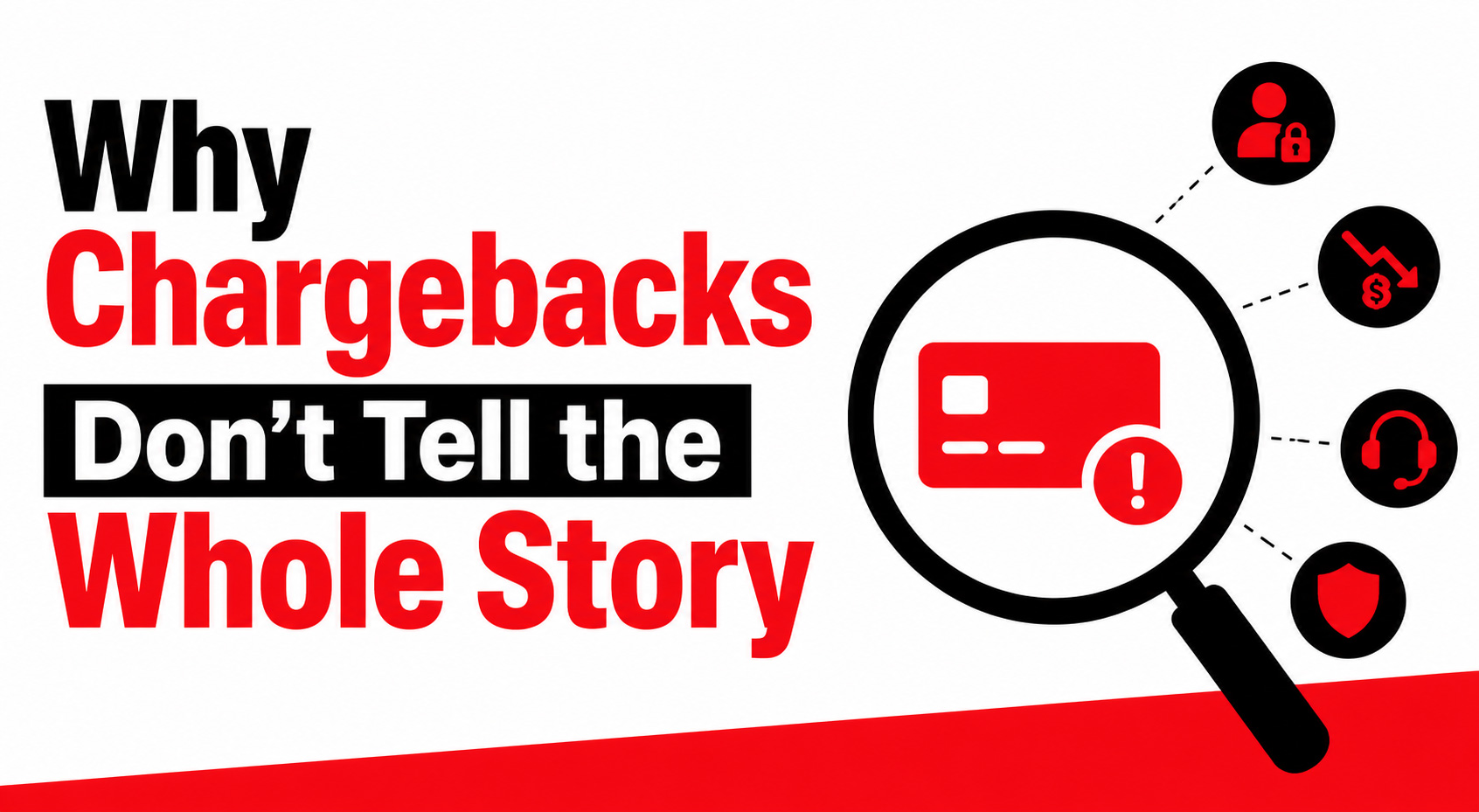
The Hidden Impact of Fraud: Going Beyond Chargeback Metrics
In the world of fraud prevention, the focus has traditionally been on chargeback rates as the primary indicator of performance. However, this narrow view fails to capture the true extent of the impact that fraud can have on businesses. Alexander Hall, the new VP of Fraud Strategy at IPQS, recently delved into this issue in a conversation with Jordan Harris of The Fraud Boxer.
While chargebacks are a visible and painful consequence of fraud, they only scratch the surface of the larger problems that can arise. The hidden impacts of fraud, which often go unnoticed in chargeback metrics, can have significant effects on revenue, operations, and brand trust. It is crucial for organizations to broaden their measurement of fraud to encompass these broader impacts.
One of the key challenges is that chargebacks only represent a small portion of the losses incurred due to fraud. By focusing solely on chargebacks, businesses may overlook larger issues that are impacting their growth, customer experience, and long-term profitability.
For example, industries like ecommerce and airlines are facing a rise in account takeovers (ATOs). While these incidents may not directly result in chargebacks, they can lead to customer churn, increased acquisition costs, and off-platform identity theft. Similarly, other sectors such as iGaming, banking, and money movement platforms are also experiencing various forms of fraud that go beyond traditional chargeback metrics.
It is essential for businesses to look beyond chargebacks and consider the broader implications of fraud on their operations. This includes understanding the impact on good customers who may be wrongly declined due to overly strict fraud prevention measures, as well as the operational challenges posed by manual reviews, support tickets, and rework.
The Risks to Brand and Customer Experience
At its core, fraud is a trust issue. When fraud occurs, whether through account takeovers or fake accounts, it erodes the trust that customers have in a business. This can lead to a loss of confidence, decreased organic growth, and negative word of mouth. In some cases, fraud can even become a brand issue, further compounding the challenges businesses face.
Looking Beyond Chargebacks: Additional Metrics to Consider
While chargebacks are an important metric for measuring fraud, they should not be the sole focus. Businesses should also track metrics such as approval rates for good customers, false positive rates, manual review rates, fraud-related refunds, abuse rates for promotions, account takeover incidents, and more. By monitoring these additional metrics alongside chargebacks, businesses can gain a more comprehensive understanding of the impact of fraud on their operations.
Enhancing Fraud Measurement with IPQS
As a fraud and risk data provider, IPQS offers solutions that go beyond simply blocking bad payments. Their scoring system takes into account various signals such as IP reputation, device intelligence, email history, and past abuse patterns to help businesses catch fraud earlier, reduce false positives, and identify patterns of abuse. By leveraging these insights, businesses can make more informed decisions and better protect their revenue, costs, and growth.
Key Questions for Organizations
For businesses looking to measure fraud impact beyond chargebacks, asking internal questions can be a helpful starting point. Questions such as identifying unrecognized losses, evaluating the impact of current fraud controls on legitimate orders, and assessing the effectiveness of marketing programs can provide valuable insights for developing a proactive fraud strategy.
Turning Insight into Action
By recognizing that chargebacks are just one piece of the fraud puzzle, businesses can redesign their fraud programs to focus on broader outcomes. The goal should be to not only prevent fraud but also protect customer experience, enable safe scaling for marketing efforts, and ensure that risk controls support long-term growth. With the right approach and tools, businesses can mitigate the impact of fraud and build a more secure and sustainable operation.
Sign up for a free trial with IPQS today and experience the difference in preventing fraud before it harms your business.
Sponsored and written by IPQS.













The Battle Over iPhone Driver’s Licenses: Florida and Rhode Island Stand Firm

How Smart is the AI-Powered Huawei Mate 10 – with EMUI 8.0?

Reviving the Legacy: Porsche Mission S Unveils Carrera GT-Inspired Gauge Cluster

Navigating the New Normal: Satya Nadella’s Journey in the Post-COVID World of Microsoft

Persona 4 Reborn: Unveiling Naoto Shirogane’s Return in New Trailer

Unveiling the Powerhouse: Xiaomi 18 Pro Max Global Leak Exposes Impressive Performance Features

Breaking News: Android U-Turn Officially Confirmed by Tech Advisor

Strategies for Building a Successful Home Services Franchise System: Driving Growth and Scalability

Apple and LG Unveil Game-Changing ‘Tap to Control’ HomeKit Features

EU Takes Action Against Instagram and Facebook for Violating Illegal Content Rules

Warning: Facebook Creators Face Monetization Loss for Stealing and Reposting Videos

Facebook’s New Look: A Blend of Instagram’s Style

Facebook Compliance: ICE-tracking Page Removed After US Government Intervention

Facebook and Instagram to Reduce Personalized Ads for European Users

InstaDub: Meta’s AI Translation Tool for Instagram Videos

Reclaim Your Account: Facebook and Instagram Launch New Hub for Account Recovery

Meta discontinues Messenger apps for Windows and macOS

Breaking Updates: Meta Connect 2025 Unveils Latest Developments
How Smart is the AI-Powered Huawei Mate 10 – with EMUI 8.0?

I used a 2012 Smartphone in 2018 – Here’s what happened.

How to send ANY file Anywhere!

NEW Oneplus 5T Sandstone White Unboxing – The Ultimate Oneplus 5T?

HUAWEI P20 – THE SMARTPHONE REVOLUTION IS HERE?

How OnePlus succeeded when they should have failed.

Samsung sent us THIS! #AD

Ulefone Power 3 – Quad Camera Smartphone that last 2 weeks!

EPIC Smartphone FAILS that people will never forget.
-
 Facebook12 months ago
EU Takes Action Against Instagram and Facebook for Violating Illegal Content Rules
-
 Facebook12 months ago
Warning: Facebook Creators Face Monetization Loss for Stealing and Reposting Videos
-
 Facebook10 months ago
Facebook’s New Look: A Blend of Instagram’s Style
-
 Facebook12 months ago
Facebook Compliance: ICE-tracking Page Removed After US Government Intervention
-
 Facebook10 months ago
Facebook and Instagram to Reduce Personalized Ads for European Users
-
 Facebook12 months ago
InstaDub: Meta’s AI Translation Tool for Instagram Videos
-
 Facebook10 months ago
Reclaim Your Account: Facebook and Instagram Launch New Hub for Account Recovery
-
 Apple12 months ago
Meta discontinues Messenger apps for Windows and macOS
