
Gadgets
Warning: Delete These Spying Apps Now!


Summary created by Smart Answers AI
In summary:
- Tech Advisor identifies popular smartphone apps that secretly collect excessive personal data through unnecessary permissions like location, contacts, and photos.
- Weather apps, third-party torch apps, shopping platforms like SHEIN, and navigation apps frequently sell user profiles to advertisers without clear consent.
- Users should regularly review app permissions through device settings and delete apps requesting unjustified access to protect privacy.
These days, there are apps for just about every function. But many request extensive permissions that don’t always seem justified. A torch app, for example, doesn’t need access to your microphone (and if it does, you should be wary). Often, invisible ad trackers run in the background, logging your behaviour, aggregating data and selling it to third parties.
We’ll show you which apps are particularly problematic and how to check which permissions you’ve granted on Android and iPhone.
Some data-hungry apps to delete
1. Torch apps
Your smartphone already has an inbuilt torch, so why download an additional app? If you’ve got a third-party torch app, delete it now. Many turn out to be data leakers that go far beyond what their function requires. Some demand permissions such as access to your contacts, your microphone or even your location. It’s rather odd, given that all they need to do is light up.
Note: This also applies to apps for other functions that are already available on your phone as standard. For example, you don’t need a third-party camera app if you can use the pre-installed camera app from your phone manufacturer.
2. Lifestyle and health apps
Apps for sleep analysis, step counting or calorie tracking may seem practical, but all too often they request permissions that have nothing to do with their actual function. In addition to the obvious location access – often around the clock – many of these apps also request access to your microphone, your photos or even your contacts. There’s no technical reason they need this, but there’s certainly an economic one.
oasisamuel / shutterstock.com
According to GDPR (General Data Protection Regulation, an EU law), health-related information falls into the category of data that requires special protection. Nevertheless, many fitness app providers sell aggregated user profiles to insurance companies, pharmaceutical firms or employer platforms. This is made possible because some providers simply include permission for data sharing in their privacy policy. Anyone who then taps “Accept” when launching the app for the first time is giving their consent without realising it.
Just how far this can go was revealed in a 2020 investigation by US publication Vice: the US military purchased location data from data brokers via supposedly harmless smartphone apps, including Muslim Pro, a prayer times app with almost 100 million downloads worldwide.
3. Navigation apps
Well-known apps such as Google Maps require your location to provide accurate directions. This is legitimate and technically necessary. The problem lies elsewhere: many of these services permanently store your full location history and analyse it. Advertisers can thus purchase detailed movement profiles, such as when you leave the house, which supermarkets you visit or how often you see a particular doctor.
GPS navigation apps from unknown providers are particularly risky. In these cases, location access is often passed directly to data broker firms, which link your movement data to other data points and resell it.
You should therefore regularly delete your Google Maps location history and completely disable the Timeline feature if you don’t use it. A privacy-friendly alternative to Google Maps and similar services is the open-source app OsmAnd, which even works offline.
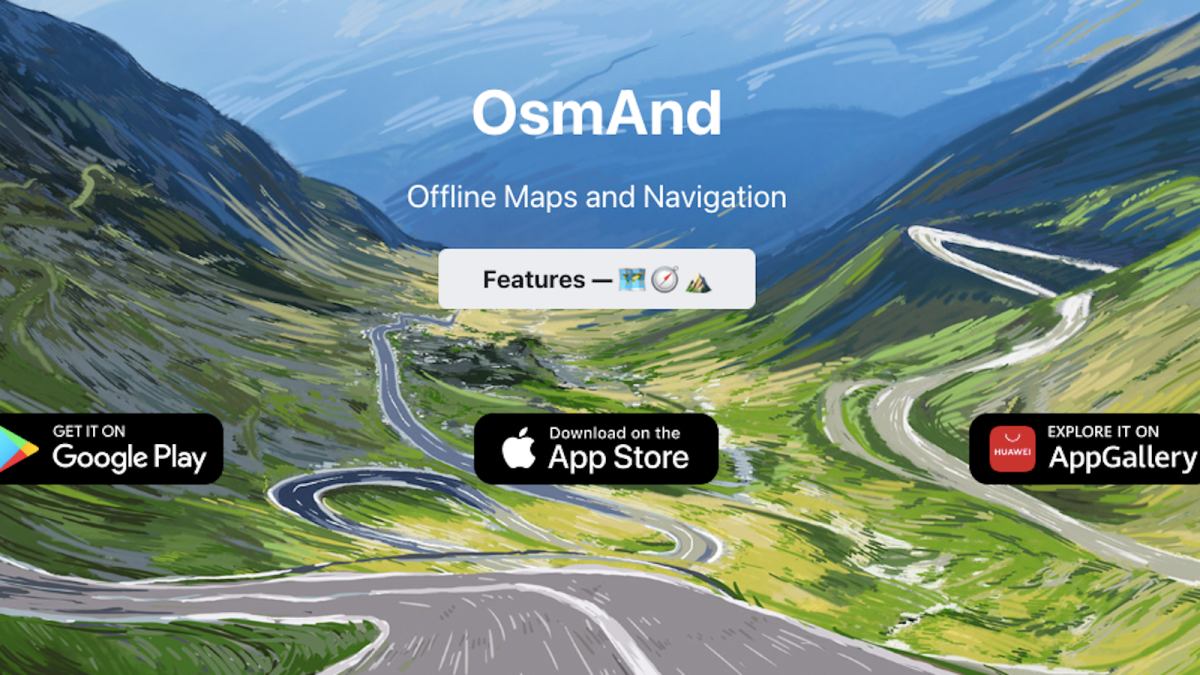
OsmAnd
4. Shopping apps
Shopping giants such as SHEIN and Amazon have long been suspected of demanding far more permissions than necessary. Are you familiar with the phenomenon of seeing products online that you mentioned in passing just moments earlier? It’s certainly no coincidence.
Officially, all the major providers deny using the microphone for targeted advertising. However, the combination of location data, search queries and purchase history is enough to make surprisingly accurate predictions about your preferences. So check which shopping apps you really need, or better still: shop on your computer.
5. Weather apps
Weather apps are among the most common culprits when it comes to placing advertising trackers. Location access makes sense at first glance – after all, the app is supposed to display local weather. Yet many of these apps also request access to your contacts, photos or the device’s camera. There’s no functional justification for this. But there is a commercial reason: the more permissions an app collects, the more valuable the user profile it sells to advertising partners.
Two concrete cases demonstrate that this isn’t merely a theoretical problem. The Weather Channel (one of the world’s best-known weather apps, with tens of millions of active users) collected minute-by-minute location data from its users around the clock – even when the app was closed – and sold it to third parties without clearly informing users. After a lengthy legal battle, a settlement was reached in 2023 following a lawsuit and years of legal proceedings.
The “Wetter Online” app, a popular weather app in the German-speaking world with over 100 million downloads, was found to have shared user data with a US data broker without valid consent. The Data Protection Commissioner for North Rhine-Westphalia intervened and forced the company to change its data protection practices.
It is worth noting that most smartphones come equipped with a built-in weather function that is just as reliable as third-party weather apps, without the need for additional permissions.
To check the permissions of your apps, Android users can go to Settings, tap on ‘Apps’, select an app, and then tap on ‘Permissions’ to see and adjust access levels. iPhone users can navigate to Settings > Privacy & Security to manage app permissions.
When granting permissions to apps, it is advisable to only allow access to the functions necessary for the app’s core function. Location access should be restricted to ‘while using the app’, and permissions for the microphone, camera, and contacts should only be granted when actively using those functions. Apps that request unnecessary permissions should be deleted.
For Android users looking to enhance privacy settings, it is recommended to adjust settings accordingly. If you’re considering upgrading your phone, check out our top recommendations in our phone round-up.
This content was originally published on PC-WELT and has been translated and adapted from German for our readers.











Driving into the Future: Google’s Gemini AI Integration in Your Vehicle

Upgrade Your HomePod: Experience Sound Glow and Lock Controls with Version 27.2

7 UNBELIEVABLE Smartphone Magic Tricks!

Comparing the Options: Which 2027 BMW 2 Series Gran Coupe is Worth Your Investment?

Microsoft Closes The Garage: End of an Era for Hackathons and Maker Spaces

Amazon’s Holiday Hiring Blitz: How Retail Giants are Adapting to the Seasonal Surge

Revamped Directive 8020: The Ultimate Online Multiplayer Experience

Revolutionizing the Smartphone Market: A Sneak Peek at the Oppo Find X10 and Other Exciting Releases in 2026

Upgrade Your Viewing Experience with the Samsung Galaxy S27 Display – Tech Advisor

EU Takes Action Against Instagram and Facebook for Violating Illegal Content Rules

Warning: Facebook Creators Face Monetization Loss for Stealing and Reposting Videos

Facebook’s New Look: A Blend of Instagram’s Style

Facebook Compliance: ICE-tracking Page Removed After US Government Intervention

Facebook and Instagram to Reduce Personalized Ads for European Users

InstaDub: Meta’s AI Translation Tool for Instagram Videos

Reclaim Your Account: Facebook and Instagram Launch New Hub for Account Recovery

Meta discontinues Messenger apps for Windows and macOS

Breaking Updates: Meta Connect 2025 Unveils Latest Developments
7 UNBELIEVABLE Smartphone Magic Tricks!

Oneplus 5T vs Oneplus 1 – 3 Years Later.

Top 20 BEST Smartphones of 2017!

5 Amazing Upcoming Smartphone Features – 2018 / 2019

ULTIMATE Power Banks / The Best Power Banks (2017-2018)

TOP 5 BEST UPCOMING SMARTPHONES – 2018!!

How to Apply a Screen Protector

The Flagship Samsung Smartphone you Never Considered.

Finally Fixing my Wi-Fi – Zyxel Multy X!
-
 Facebook12 months ago
EU Takes Action Against Instagram and Facebook for Violating Illegal Content Rules
-
 Facebook1 year ago
Warning: Facebook Creators Face Monetization Loss for Stealing and Reposting Videos
-
 Facebook10 months ago
Facebook’s New Look: A Blend of Instagram’s Style
-
 Facebook1 year ago
Facebook Compliance: ICE-tracking Page Removed After US Government Intervention
-
 Facebook11 months ago
Facebook and Instagram to Reduce Personalized Ads for European Users
-
 Facebook1 year ago
InstaDub: Meta’s AI Translation Tool for Instagram Videos
-
 Facebook11 months ago
Reclaim Your Account: Facebook and Instagram Launch New Hub for Account Recovery
-
 Apple1 year ago
Meta discontinues Messenger apps for Windows and macOS
