
Cars
Revving Up: Addressing the Challenges Holding Back Victoria’s EV Strategy

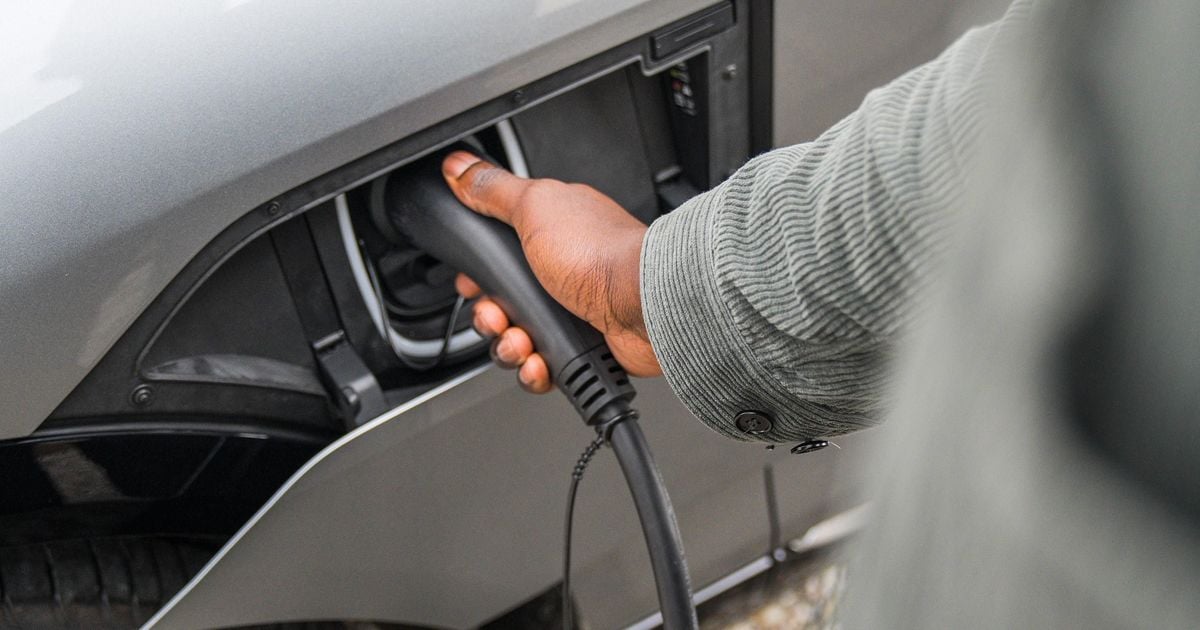
Electric Vehicle Uptake in Victoria Facing Challenges, Parliamentary Inquiry Reveals
The adoption of electric vehicles (EVs) is on the rise in Victoria, but a recent parliamentary inquiry has highlighted several barriers hindering the transition. Issues such as misinformation, a slow deployment of public charging infrastructure, and the lack of a dedicated statewide EV charging strategy are impeding progress.
The inquiry specifically pointed out the insufficient charging infrastructure in Victoria as a major obstacle, with no clear government plan in place to address this issue. The committee put forward a total of 40 recommendations, including proposals for subsidies, stamp-duty relief, and discounts to incentivize EV adoption.
One of the key findings of the inquiry was the absence of incentives for EV owners to adjust their charging behavior in a way that supports the electricity grid. This lack of alignment between charging practices and grid support was identified as a significant challenge.
Addressing concerns about misinformation and misconceptions surrounding EVs and charging infrastructure, the inquiry recommended an education campaign to dispel myths and increase awareness. Additionally, the potential of vehicle-to-grid (V2G) and vehicle-to-home (V2H) technologies to support the grid was highlighted as an opportunity that has not been fully explored.
Despite calls for lower electricity tariffs and increased EV subsidies, the report highlighted concerns about the impact of taxpayer-funded incentives on the state’s debt. The need for a balance between supporting EV adoption and financial sustainability was emphasized.
One of the critical issues raised in the inquiry was the lack of public charging capacity in Victoria, falling significantly short of international benchmarks. While urban areas and regional cities have access to public charging stations, users reported challenges such as slow maintenance, inadequate mapping services, and complex payment processes.
The Victorian Government came under scrutiny for its shortcomings in EV policies and support for the industry. The absence of a dedicated strategy for improving the EV charging network, as seen in other states like New South Wales, was a key point of criticism.
Furthermore, the inquiry highlighted the need for a centralized database to track public charging infrastructure in Victoria, providing transparency on locations, availability, and uptime of chargers. The lack of coordination between government departments involved in transport and energy policy was also noted as a gap in policymaking.
The inquiry also identified challenges related to the management of end-of-life EV battery recycling and handling, emphasizing the need for a regulatory framework in this area. Issues such as material export and battery waste management were highlighted as areas requiring attention.
In conclusion, the inquiry underscored the importance of collaboration between government, industry, and stakeholders to overcome the barriers to EV adoption in Victoria. By addressing key issues such as charging infrastructure, misinformation, and regulatory gaps, the state can pave the way for a smoother transition to electric mobility.













Solidarity in Ashes: A Charcoal Tale of Love and Rebellion

Android 17’s Advanced Security Feature: Safeguarding Stolen Phones

Mastering Property Damage Insurance Claims: A Guide to Navigating the Process

Tech Giants OpenAI, Anthropic, and Nvidia Break Records with Lobbying Quarters

Important Update: Permanent Daylight Saving Time Implemented in Parts of Canada for Android Users

Next-Generation iPhone Duo 2: Revolutionary Under-Display Face ID Technology Put to the Test

Should you buy your Smartphones Refurbished!?

2027 BMW iX5: A Fast and Furious Ride – Quick Drive Review

Navigating the Turbulent Waters of AI: Insights from Bill Gates

EU Takes Action Against Instagram and Facebook for Violating Illegal Content Rules

Warning: Facebook Creators Face Monetization Loss for Stealing and Reposting Videos

Facebook’s New Look: A Blend of Instagram’s Style

Facebook Compliance: ICE-tracking Page Removed After US Government Intervention

Facebook and Instagram to Reduce Personalized Ads for European Users

InstaDub: Meta’s AI Translation Tool for Instagram Videos

Reclaim Your Account: Facebook and Instagram Launch New Hub for Account Recovery

Meta discontinues Messenger apps for Windows and macOS

Breaking Updates: Meta Connect 2025 Unveils Latest Developments
Should you buy your Smartphones Refurbished!?

6 Amazing SECRET Android Launchers (2017 / 2018)

6 Value for Money Tech Products you NEED to try!

iPhone X Helicopter 1200ft Drop Test!! + Mous Case Review

7 UNBELIEVABLE Smartphone Magic Tricks!

Oneplus 5T vs Oneplus 1 – 3 Years Later.

Top 20 BEST Smartphones of 2017!

5 Amazing Upcoming Smartphone Features – 2018 / 2019

ULTIMATE Power Banks / The Best Power Banks (2017-2018)
-
 Facebook12 months ago
EU Takes Action Against Instagram and Facebook for Violating Illegal Content Rules
-
 Facebook1 year ago
Warning: Facebook Creators Face Monetization Loss for Stealing and Reposting Videos
-
 Facebook11 months ago
Facebook’s New Look: A Blend of Instagram’s Style
-
 Facebook1 year ago
Facebook Compliance: ICE-tracking Page Removed After US Government Intervention
-
 Facebook11 months ago
Facebook and Instagram to Reduce Personalized Ads for European Users
-
 Facebook1 year ago
InstaDub: Meta’s AI Translation Tool for Instagram Videos
-
 Facebook11 months ago
Reclaim Your Account: Facebook and Instagram Launch New Hub for Account Recovery
-
 Apple1 year ago
Meta discontinues Messenger apps for Windows and macOS
