
Startups
Navigating the future of robotaxis: How to rein them in

Welcome back to TechCrunch Mobility
Welcome back to TechCrunch Mobility, your go-to source for the latest insights on the future of transportation, with a special focus on the pivotal role that AI is playing in shaping the industry. To receive our newsletter directly in your inbox, simply sign up for free by clicking on TechCrunch Mobility!
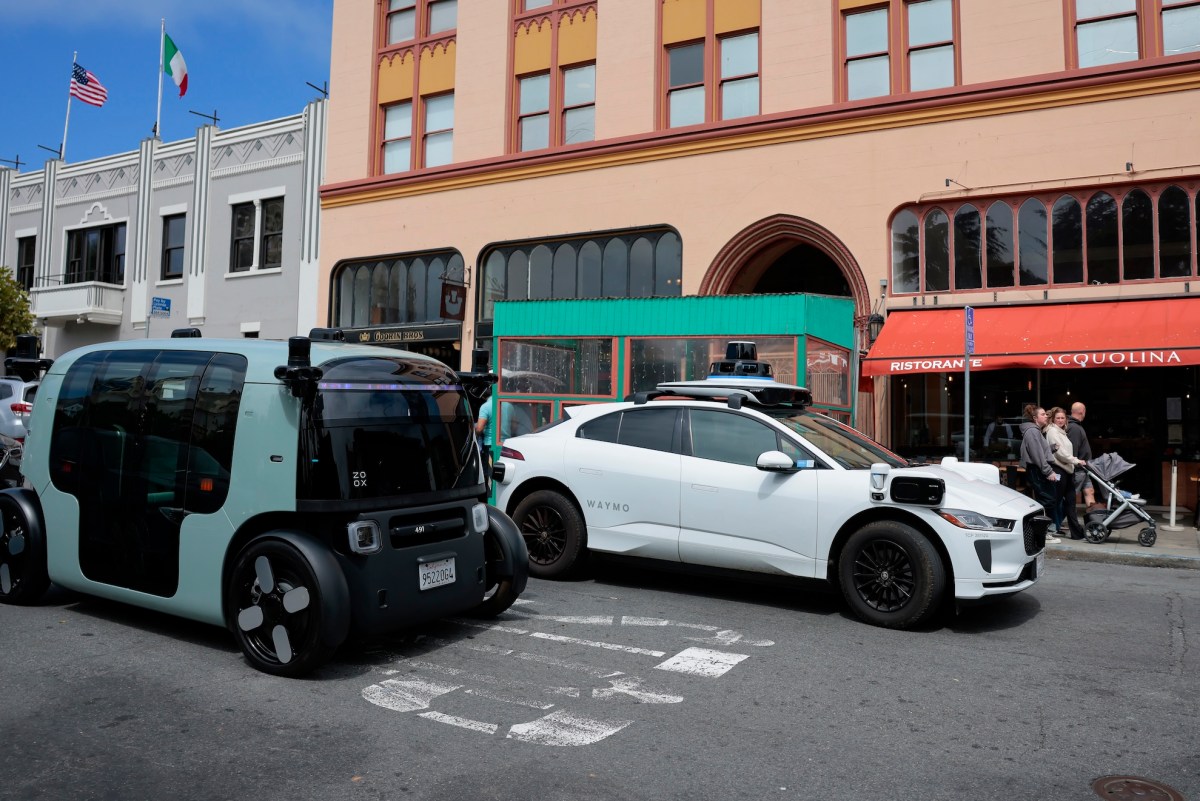
On any given day in San Francisco, it’s not uncommon to spot numerous Waymo robotaxis navigating the city streets with minimal disruption. However, recent reports from TechCrunch have highlighted instances where these robotaxis have caused traffic delays, entered crime scenes, and obstructed emergency responders, not just in the Bay Area but in other locations as well. Some companies have even relied on first responders to move their robotaxis.
These disruptions are occurring during the early stages of the robotaxi era, prompting California to enact a new law aimed at addressing these challenges before the next wave of robotaxis hits the roads.
Recently signed into law by Governor Gavin Newsom, Senate Bill 1246 introduces a set of regulations for autonomous vehicles (AVs) to enhance safety and response times in cases where they become disabled or impede emergency responders. The law also establishes mechanisms to hold companies accountable for any violations.
Under the new law, companies like Tesla, Waymo, and Zoox will be required to provide local support to first responders when their robotaxis encounter issues. Penalties may be imposed if a robotaxi obstructs law enforcement or firefighters for more than 30 minutes. Additionally, AV developers must employ remote drivers based in the U.S. holding U.S. driver’s licenses and notify local authorities about vehicle locations during system failures.
While there are still details to be ironed out by the Department of Motor Vehicles, which serves as the primary regulator of autonomous vehicles in the state, the law is set to take effect in July 2028. The question remains: Will this legislation effectively prevent robotaxis from hindering emergency responders?
While it may not completely eliminate such incidents, the hope is that this law will mitigate chaos and enhance accountability in the event of any disruptions.
Looking ahead, the crucial question is whether other states will follow California’s lead in implementing similar regulations or await federal directives on the matter.
Deals!
Harbinger, an EV startup, has secured a $300 million deal to supply FedEx with 2,000 electric trucks.
HyperGuest, an Israeli travel tech startup, raised $25 million from AMI, the investment arm of Apax Partners.
REGENT Craft, the developer of the all-electric Seaglider, extended its partnership with the U.S. Marine Corps Warfighting Lab, increasing the contract value to $19.25 million.
Quartermaster, a maritime intelligence startup based in Arlington, Virginia, raised $140 million in a Series B round, with significant contributions from Insight Partners, Overmatch Ventures, First Round Capital, and a debt facility from Stifel.
Voltaback, a French fleet management software startup, secured €2.8 million in funding from European investment fund Serena.
Notable reads and other tidbits

When Aurora announced its plans to have 30,000 autonomous trucks on the roads by the end of 2030, it raised eyebrows. An interview with CFO David Maday sheds light on the company’s strategy and confidence in achieving this goal.
BMW unveiled its 2027 3 Series, offering both gas and electric variants, with an intriguing price distinction between the two.
DoorDash provided insights into its new drone delivery service, DoorDash Air, detailing the autonomous aircraft and ground-based systems approach.
Kodiak secured Ikea as a customer for driverless deliveries on public highways, marking a significant milestone in autonomous transportation.
Lyft agreed to a $272.5 million settlement in a lawsuit over driver classification, predating the passage of Prop 22 in California.
Northeastern University uncovered extensive data collection by late-model vehicles and companion apps, raising privacy concerns.
SpaceX’s Starship rocket achieved Earth orbit for the first time, marking a significant milestone in space exploration.
Rivian reported record sales and a recall for its R2 SUV due to fastening issues in the high-voltage battery pack.
Tesla boasted strong EV sales, delayed its Roadster 2 event, and emphasized its focus on AI and robotics innovation.
One more thing …
The countdown to Disrupt 2026, TechCrunch’s premier tech conference in San Francisco, has begun. Use code mobility30 for a 30% discount on tickets and don’t miss out on engaging sessions with industry leaders like Rivian CEO RJ Scaringe and other tech innovators.
Join us at Disrupt to gain valuable insights from top executives and engineers in the tech industry. Explore a range of topics from AI systems to autonomous vehicles and robotics. Visit the full agenda for more details.
As we gear up for Disrupt, learn about MyMonthly Car, a Startup Battlefield participant showcased at the event.
Disclaimer: This article may contain affiliate links. As an Amazon Associate, we earn from qualifying purchases.












Apple Store Security Alert: HK Police Demand Fix for $3.8M Fraud Loophole

Faraday Future FF 91 – 1050 Horsepower Madness!

Massive Recall: Thousands of Toyota Land Cruiser SUVs Pulled from UAE Roads

Massive’s Rise to the Top: Leading Splinter Cell, Ghost Recon, and a New Ubisoft Dieselpunk MOBA

Navigating the future of robotaxis: How to rein them in

Break the Cycle: Transforming Your iPhone Habits for a Healthier Mind

Potential BMW Models Facing the Chopping Block

The Witcher 3: Echoes of History

Unveiling the Discrepancy: The European Innovation Scene vs. VC Investment Trends

EU Takes Action Against Instagram and Facebook for Violating Illegal Content Rules

Warning: Facebook Creators Face Monetization Loss for Stealing and Reposting Videos

Facebook’s New Look: A Blend of Instagram’s Style

Facebook Compliance: ICE-tracking Page Removed After US Government Intervention

Facebook and Instagram to Reduce Personalized Ads for European Users

InstaDub: Meta’s AI Translation Tool for Instagram Videos

Reclaim Your Account: Facebook and Instagram Launch New Hub for Account Recovery

Meta discontinues Messenger apps for Windows and macOS

Breaking Updates: Meta Connect 2025 Unveils Latest Developments
Faraday Future FF 91 – 1050 Horsepower Madness!

The Truth about the OnePlus 5T – REAL Review.

Concept Smartphones that are better than Real Smartphones

Samsung Galaxy SII Unboxing!

The SECRET to Maximise Smartphone Battery Life?

We Designed the Ultimate Gaming Smartphone of 2018!

Using the Cheapest Smartphone in the World.

Samsung Galaxy S9+ Unboxing! (Clone)

Unboxing the First Ever Samsung Galaxy S!!
-
 Facebook12 months ago
EU Takes Action Against Instagram and Facebook for Violating Illegal Content Rules
-
 Facebook12 months ago
Warning: Facebook Creators Face Monetization Loss for Stealing and Reposting Videos
-
 Facebook10 months ago
Facebook’s New Look: A Blend of Instagram’s Style
-
 Facebook12 months ago
Facebook Compliance: ICE-tracking Page Removed After US Government Intervention
-
 Facebook10 months ago
Facebook and Instagram to Reduce Personalized Ads for European Users
-
 Facebook12 months ago
InstaDub: Meta’s AI Translation Tool for Instagram Videos
-
 Facebook10 months ago
Reclaim Your Account: Facebook and Instagram Launch New Hub for Account Recovery
-
 Apple12 months ago
Meta discontinues Messenger apps for Windows and macOS
