
Mobile Tech
Apple Store Security Alert: HK Police Demand Fix for $3.8M Fraud Loophole

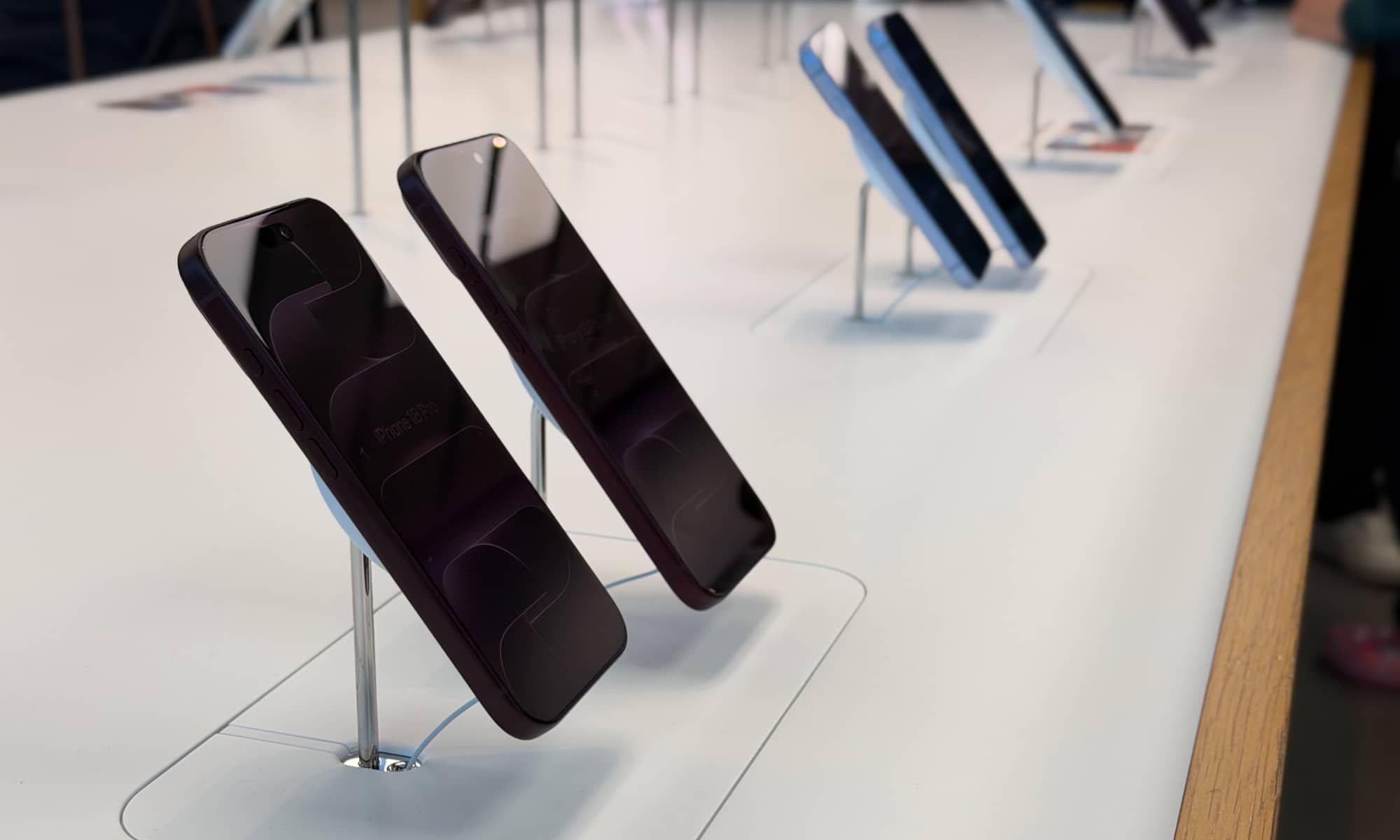
Law enforcement officials in Hong Kong are currently grappling with a concerning issue. Following the release of Apple’s iPhone 18 Pro in the region, there have been over 1,500 instances of individuals using counterfeit credit cards to purchase iPhones. Authorities are now seeking assistance from Apple to combat this wave of criminal activity.
A report from Hong Kong’s The Standard reveals that individuals are buying the iPhone 18 Pro in large quantities using fake credit cards. Several social media users recently reported unauthorized credit card transactions involving Apple’s latest iPhone models. These fraudulent transactions involved credit cards from various banking institutions.
During a Kowloon City district council meeting, Commissioner of Police Joe Chow Yat-ming disclosed that there have been 1,503 reports of iPhone 18 Pro credit card fraud, amounting to over HK$30 million ($3.82 million US). Fortunately, all of these transactions were canceled, preventing any financial losses for cardholders, banks, and Apple.
Despite the cancellations, Commissioner Chow noted that Apple’s online security and verification measures failed to detect any of the fraudulent charges. He identified a “loophole” in Apple’s online store that bypassed identity and payment verification requirements for web purchases.
According to Chow, this loophole allowed fraudsters to place large orders using illegally obtained credit card information without the need for one-time passwords or mobile app verification. Investigators also found that the perpetrators used VPNs to conceal their IP addresses and provided false or incomplete shipping details. When Apple requested clarification on delivery addresses, the criminals would specify public locations instead.
As reported by Mactrast, Hong Kong police have reached out to Apple, urging the tech giant to review its transaction processes to prevent similar fraud cases. They anticipate a potential increase in fraudulent activities with the upcoming launch of Apple’s first foldable iPhone, the iPhone Duo.
Apple has yet to issue a statement regarding the matter.
This incident is not the first time Apple products have been targeted by fraudsters. In April 2019, two Chinese engineering students in Oregon were accused of defrauding Apple out of nearly $900,000 through a counterfeit iPhone scheme involving the exchange of fake devices for genuine ones.
The students, Yangyang Zhou and Quan Jiang, who were in the US on student visas, imported over a thousand counterfeit iPhones from China. They submitted these devices to Apple for exchange under the company’s warranty program, receiving new, authentic iPhones which were later sold overseas for profit. The scam resulted in an estimated loss of $895,800 for Apple.
In July 2024, a multi-state Apple fraud ring was uncovered by the Department of Homeland Security (DHS) following a routine traffic stop.
During the stop in Baldwin County, Alabama, law enforcement officers discovered 180 Apple devices in Chalvin Tan’s vehicle, along with engraving equipment and tools. Tan was suspected of modifying counterfeit devices to resemble genuine Apple products.
Tan and his accomplices would purchase legitimate Apple products from Target stores, replace them with counterfeits, and then return the altered items for refunds. They utilized laser engraving to make the counterfeit devices closely resemble authentic Apple products, making detection more challenging for store employees.













Apple Store Security Alert: HK Police Demand Fix for $3.8M Fraud Loophole

Faraday Future FF 91 – 1050 Horsepower Madness!

Massive Recall: Thousands of Toyota Land Cruiser SUVs Pulled from UAE Roads

Massive’s Rise to the Top: Leading Splinter Cell, Ghost Recon, and a New Ubisoft Dieselpunk MOBA

Navigating the future of robotaxis: How to rein them in

Break the Cycle: Transforming Your iPhone Habits for a Healthier Mind

Potential BMW Models Facing the Chopping Block

The Witcher 3: Echoes of History

Unveiling the Discrepancy: The European Innovation Scene vs. VC Investment Trends

EU Takes Action Against Instagram and Facebook for Violating Illegal Content Rules

Warning: Facebook Creators Face Monetization Loss for Stealing and Reposting Videos

Facebook’s New Look: A Blend of Instagram’s Style

Facebook Compliance: ICE-tracking Page Removed After US Government Intervention

Facebook and Instagram to Reduce Personalized Ads for European Users

InstaDub: Meta’s AI Translation Tool for Instagram Videos

Reclaim Your Account: Facebook and Instagram Launch New Hub for Account Recovery

Meta discontinues Messenger apps for Windows and macOS

Breaking Updates: Meta Connect 2025 Unveils Latest Developments
Faraday Future FF 91 – 1050 Horsepower Madness!

The Truth about the OnePlus 5T – REAL Review.

Concept Smartphones that are better than Real Smartphones

Samsung Galaxy SII Unboxing!

The SECRET to Maximise Smartphone Battery Life?

We Designed the Ultimate Gaming Smartphone of 2018!

Using the Cheapest Smartphone in the World.

Samsung Galaxy S9+ Unboxing! (Clone)

Unboxing the First Ever Samsung Galaxy S!!
-
 Facebook12 months ago
EU Takes Action Against Instagram and Facebook for Violating Illegal Content Rules
-
 Facebook12 months ago
Warning: Facebook Creators Face Monetization Loss for Stealing and Reposting Videos
-
 Facebook10 months ago
Facebook’s New Look: A Blend of Instagram’s Style
-
 Facebook12 months ago
Facebook Compliance: ICE-tracking Page Removed After US Government Intervention
-
 Facebook10 months ago
Facebook and Instagram to Reduce Personalized Ads for European Users
-
 Facebook12 months ago
InstaDub: Meta’s AI Translation Tool for Instagram Videos
-
 Facebook10 months ago
Reclaim Your Account: Facebook and Instagram Launch New Hub for Account Recovery
-
 Apple12 months ago
Meta discontinues Messenger apps for Windows and macOS
