
Mobile Tech
Apple’s Relief: US-China Tariff Easing Provides Breathing Space

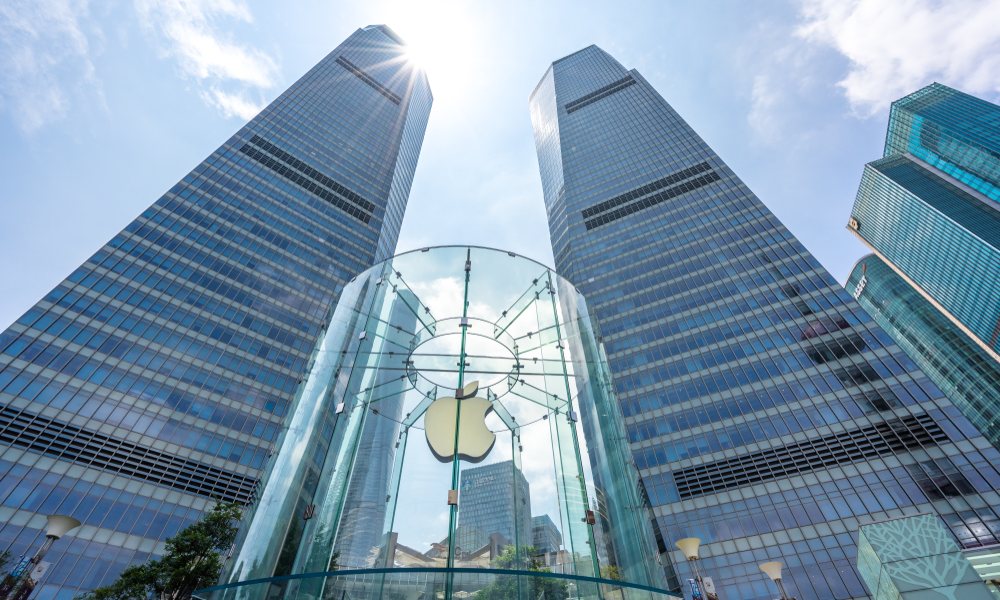
The recent agreement between the US and China on a temporary “tariff truce” has significant implications for various industries, including technology giants like Apple. Following a meeting between Presidents Trump and Xi Jinping in South Korea, a deal was struck to ease import duties on consumer goods, providing some relief from the ongoing trade tensions.
As reported by reputable sources like The New York Times, the meeting between Trump and Xi marked a crucial moment in their diplomatic relations. Trump, known for his tough stance on trade issues, appeared to find common ground with Xi during their face-to-face discussions. The outcome of their meeting was a one-year truce that alleviates much of the tariff pressure that has been building up over the years.
One key aspect of the agreement is the reduction of tariffs on Chinese goods, including a halving of the punitive tariff imposed by Trump earlier in response to fentanyl trafficking concerns. In return, China has agreed to lift restrictions on the export of rare-earth minerals, which are vital for advanced manufacturing industries, including those that support Apple’s operations.
For Apple, the impact of the new deal is significant, as it reduces the overall tariff on Chinese goods by 10 percent. While most products still face an average tariff of 45 percent, any reduction in tariffs can have a notable effect on Apple’s bottom line due to the scale of its operations.
It is important to note that the tariffs imposed by the Trump administration on Chinese imports are in addition to pre-existing product-specific tariffs that have long been in place. This has created a complex and unpredictable landscape for companies like Apple, which must navigate these challenges while maintaining a global supply chain.
The fluctuating nature of tariffs has made it difficult for Apple to plan and budget effectively. The company has had to adjust its strategies to mitigate the impact of tariffs, including diversifying its supply chain by shifting production to countries like India. While some Chinese-made products still reach the US market, Apple’s efforts to reduce its reliance on China have helped minimize the impact of tariffs on its operations.
Overall, the agreement between Trump and Xi provides a sense of predictability for Apple and other companies affected by the trade tensions. By pausing further tariff actions, the two leaders have created a more stable environment for businesses to operate in. This certainty allows Apple to plan its production and pricing strategies more confidently, even as it continues to explore alternative manufacturing locations.













The Lord of the Rings: War in the North Legacy Edition – Patch One: The Beginning of a New Journey

Revolutionizing Android: 5 Innovative Features That Will Transform User Experience

Xiaomi 18 Pro: Global Launch Set for 2026, Confirmed by Tech Advisor

Comparing Farmtech Solutions: Poly Tape vs Electric Fence Wire

Unbeatable Deals on Top-tier Apps: Own Them Forever at a Fraction of the Cost

Does a Cheap 2018 Smartphone beat a 2013 Flagship?

Expert Tips for Buying a BMW X5: Insights from a Seasoned Owner of 103 Models

Microsoft’s Bold Vision: The Copilot ‘Super App’ Set to Rival Office in Influence

Lost in the Fantasia: The Rise and Fall of a Colourful JRPG

EU Takes Action Against Instagram and Facebook for Violating Illegal Content Rules

Warning: Facebook Creators Face Monetization Loss for Stealing and Reposting Videos

Facebook’s New Look: A Blend of Instagram’s Style

Facebook Compliance: ICE-tracking Page Removed After US Government Intervention

Facebook and Instagram to Reduce Personalized Ads for European Users

InstaDub: Meta’s AI Translation Tool for Instagram Videos

Reclaim Your Account: Facebook and Instagram Launch New Hub for Account Recovery

Meta discontinues Messenger apps for Windows and macOS

Breaking Updates: Meta Connect 2025 Unveils Latest Developments
Does a Cheap 2018 Smartphone beat a 2013 Flagship?

Samsung Galaxy S9 & S9+ UNBOXING!

Samsung Galaxy S9 Plus vs iPhone X

The BEST $300 Phone (2018) ft. MKBHD, Technical Guruji, iJustine + More

Samsung Galaxy S9 Plus Gaming Review! (vs OnePlus 5T)

THE BEST PHONE HTC EVER MADE?

The Truth about Google?

Samsung S9/ S9+ vs iPhone X vs Galaxy Note 8 Battery Life DRAIN TEST

Samsung S9 / S9+ vs Mate 10 Pro vs iPhone X Charging SPEED Test
-
 Facebook11 months ago
EU Takes Action Against Instagram and Facebook for Violating Illegal Content Rules
-
 Facebook12 months ago
Warning: Facebook Creators Face Monetization Loss for Stealing and Reposting Videos
-
 Facebook10 months ago
Facebook’s New Look: A Blend of Instagram’s Style
-
 Facebook12 months ago
Facebook Compliance: ICE-tracking Page Removed After US Government Intervention
-
 Facebook10 months ago
Facebook and Instagram to Reduce Personalized Ads for European Users
-
 Facebook12 months ago
InstaDub: Meta’s AI Translation Tool for Instagram Videos
-
 Facebook10 months ago
Reclaim Your Account: Facebook and Instagram Launch New Hub for Account Recovery
-
 Apple11 months ago
Meta discontinues Messenger apps for Windows and macOS
