
Microsoft
Insider Look: Microsoft’s Choices for OpenAI’s Board Revealed

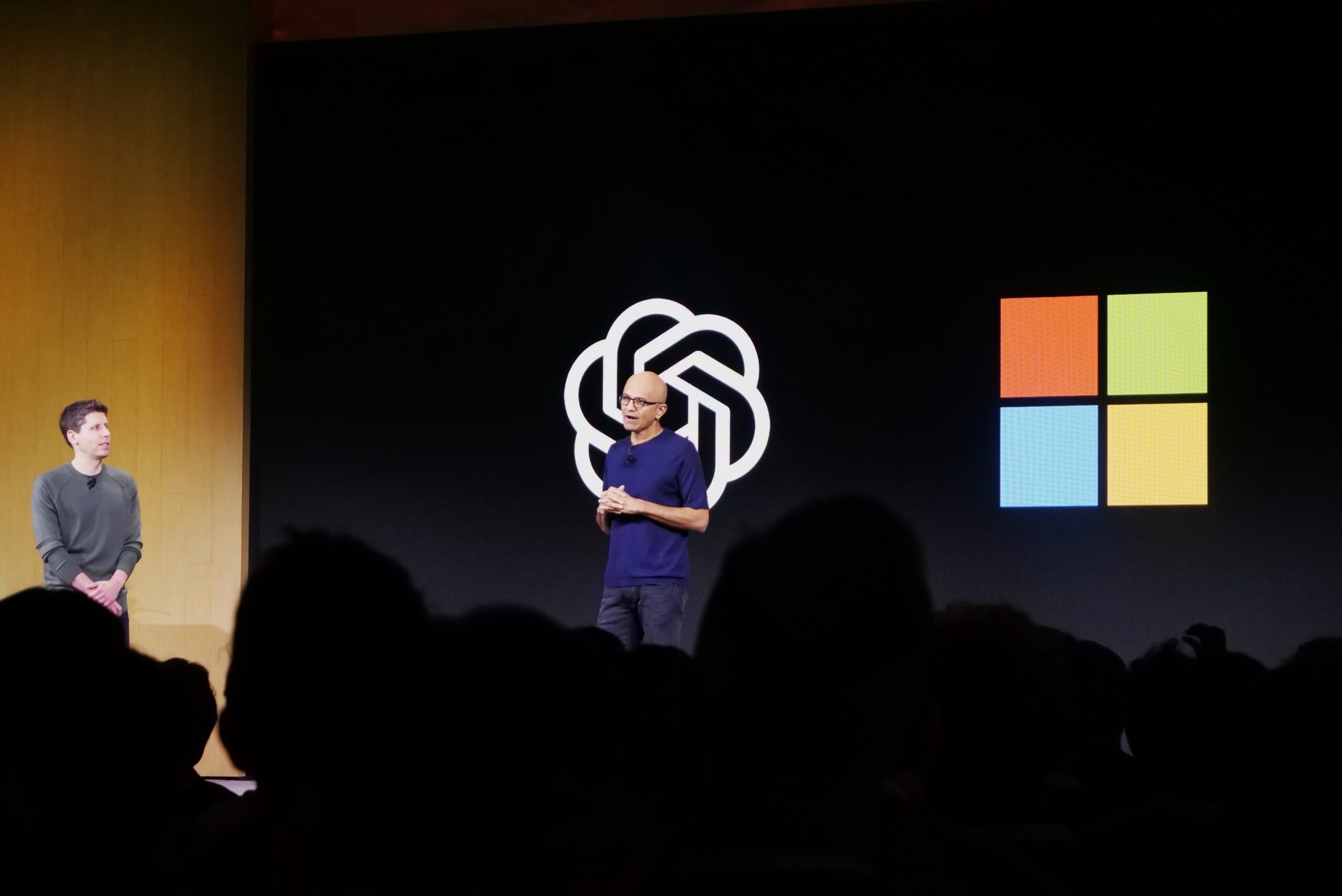
Exploring the Selection Process for OpenAI Board Members
During a pivotal moment in November 2023, Microsoft’s CTO Kevin Scott engaged in a text discussion with Satya Nadella, Sam Altman, and Brad Smith regarding potential candidates for the revamped OpenAI board. The conversation unearthed interesting insights into the selection process.
An unredacted version of the thread shed light on the considerations made by the executives. Diane Greene, former Google Cloud CEO, faced strong opposition from Scott, earning a “strong, strong no” primarily due to her competing connections. This episode marked the unveiling of previously undisclosed details.
Key Figures and Recommendations
William “Bing” Gordon was initially proposed by Scott until Nadella highlighted his ties to Amazon, a direct competitor in the AI space. The discussion further delved into suggestions like Belinda Johnson, former Airbnb COO, and Sue Desmond-Hellmann, former Gates Foundation CEO, who eventually joined the OpenAI board.
Further suggestions included Ursula Burns, former Xerox CEO, and Anne Sweeney, a notable figure from Disney-ABC Television Group. Smith advocated for Leslie Kilgore, former Netflix CMO, emphasizing her intelligence and practicality.
The conversation also touched on a diverse range of potential candidates, including Amy Rao, Emilie Choi, Julia Hartz, Ciporra Herman, Maynard Webb, and Jeff Weiner, showcasing a comprehensive exploration of talent.
Board Restructuring and Controversies
Amid deliberations, Altman proposed a board composition featuring Bret Taylor, Larry Summers, and Adam D’Angelo, with himself returning as CEO. However, concerns were raised regarding Summers’ temperament, leading to deliberations on the risk factor associated with his appointment.
Despite initial reservations, Summers served on the board until his resignation in 2025 following a scandal. The current OpenAI Foundation board comprises prominent individuals from diverse backgrounds, reflecting a strategic blend of expertise.
Legal Implications and Organizational Dynamics
The restructuring of the board and the subsequent legal battle with Musk shed light on the intricate dynamics between OpenAI, Microsoft, and key stakeholders. The lawsuit alleges a breach of trust and financial damages, underscoring the complexities of nonprofit governance.
Nadella’s testimony emphasized Microsoft’s non-involvement in board decisions, highlighting the autonomy of OpenAI’s governance. The focus on board maturity and strategic oversight underscores the critical role of leadership in ensuring the organization’s integrity and sustainability.
Overall, the selection process for OpenAI board members offers valuable insights into the intersection of technology, governance, and ethics in the rapidly evolving AI landscape.








Microsoft’s Revolutionary Copilot: A Game-Changer in the Battle Against Anthropic and OpenAI – GeekWire

Building the Future: The Evolution of Europe’s First Digital Experimentation Infrastructure

Titan Quest II: Rise of the Gods – Official Launch in January 2027

Ultimate Guide to Googlebook: Everything You Need to Know about Price, Release Date, Key Specs & Features

Apple’s Latest Challenge: A Fitbit Air and Whoop Rival in the Works

The Importance of Understanding Your Business’s Value Before Making a Big Financial Move

Google’s Groundbreaking AI Satellite Launching into Space Next Week

Unlocking AI Potential: Solving the GPU Shortage in Your Infrastructure

The Downfall of OpenAI’s Siri ChatGPT Extension on iPhone

EU Takes Action Against Instagram and Facebook for Violating Illegal Content Rules

Warning: Facebook Creators Face Monetization Loss for Stealing and Reposting Videos

Facebook’s New Look: A Blend of Instagram’s Style

Facebook Compliance: ICE-tracking Page Removed After US Government Intervention

Facebook and Instagram to Reduce Personalized Ads for European Users

InstaDub: Meta’s AI Translation Tool for Instagram Videos

Reclaim Your Account: Facebook and Instagram Launch New Hub for Account Recovery

Meta discontinues Messenger apps for Windows and macOS

Breaking Updates: Meta Connect 2025 Unveils Latest Developments

Samsung Galaxy S9 Plus vs iPhone X

The BEST $300 Phone (2018) ft. MKBHD, Technical Guruji, iJustine + More

Samsung Galaxy S9 Plus Gaming Review! (vs OnePlus 5T)

THE BEST PHONE HTC EVER MADE?

The Truth about Google?

Samsung S9/ S9+ vs iPhone X vs Galaxy Note 8 Battery Life DRAIN TEST

Samsung S9 / S9+ vs Mate 10 Pro vs iPhone X Charging SPEED Test

The BEST APPS in 2018 – ft. MKBHD, UrAvgConsumer, iJustine + More

The ULTIMATE Smartphone Unboxing!!
-
 Facebook11 months ago
EU Takes Action Against Instagram and Facebook for Violating Illegal Content Rules
-
 Facebook12 months ago
Warning: Facebook Creators Face Monetization Loss for Stealing and Reposting Videos
-
 Facebook10 months ago
Facebook’s New Look: A Blend of Instagram’s Style
-
 Facebook12 months ago
Facebook Compliance: ICE-tracking Page Removed After US Government Intervention
-
 Facebook10 months ago
Facebook and Instagram to Reduce Personalized Ads for European Users
-
 Facebook12 months ago
InstaDub: Meta’s AI Translation Tool for Instagram Videos
-
 Facebook10 months ago
Reclaim Your Account: Facebook and Instagram Launch New Hub for Account Recovery
-
 Apple11 months ago
Meta discontinues Messenger apps for Windows and macOS
