
Startups
Maximizing Your Investments: A Guide to Capital Gains Distributions Before the End of the Year by Fratarcangeli Wealth Management

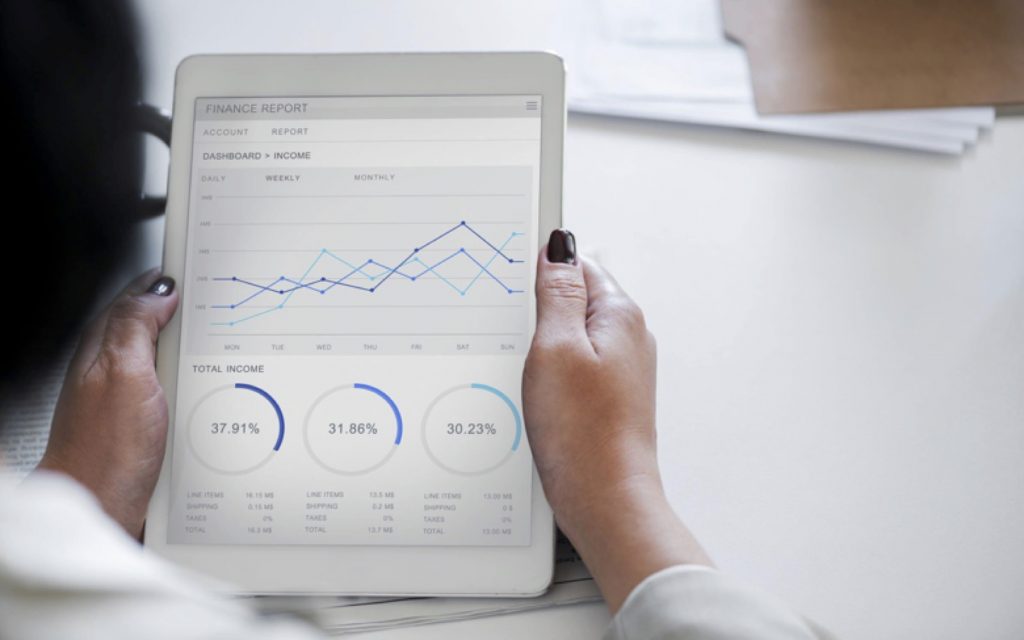
Understanding Year-End Capital Gains Distributions: A Guide by Fratarcangeli Wealth Management
As the year draws to a close, there is one crucial aspect that high-net-worth investors often overlook – capital gains distributions. These distributions, particularly at year-end, can have a significant impact on taxable income, especially for investors with mutual funds or diversified portfolios that have realized gains.
Jeffrey Fratarcangeli, the founder and CEO of Fratarcangeli Wealth Management, stresses the importance of understanding these dynamics and taking action before December 31.
Fratarcangeli explains, “We review every client’s realized and unrealized gains, losses, interest, and dividends before year-end. We send that report to both the client and their CPA so the tax professional can determine whether losses should be harvested or gains realized before the deadline. After December 31, it’s too late.”
Here are key insights from Fratarcangeli that every investor should grasp as the year approaches its conclusion.
The Crucial Role of Communication Between Advisors and CPAs
Fratarcangeli emphasizes that investors should not view their portfolio in isolation. The year-end period necessitates coordination between an individual’s financial advisor and their CPA.
He states, “Every client has other components of their financial picture that we may not see, like income from a business, real estate transactions, or charitable donations. By proactively engaging your tax professional before year-end, you can ensure all those moving parts are aligned.”
Such collaboration often extends until the final business day of the year.
“Fratarcangeli Wealth Management operates through December 31 for that exact reason,” he adds. “You want to make any necessary moves while the window is still open.”
The Surprise Factor for Mutual Fund Holders
Fratarcangeli points out one of the most common sources of confusion – how capital gains distributions function within mutual funds.
“Mutual funds conduct their own trades throughout the year that investors cannot observe,” he explains. “Then in November or December, the fund company announces the realized gains and distributes them to shareholders.”
These distributions can lead to unexpected taxable events, even if the investor did not sell any shares.
“You might have held a fund for only a few months and still be taxed on gains realized by the fund earlier in the year,” Fratarcangeli notes. “This is why we prefer portfolios holding individual securities, as you can monitor and manage those gains in real time.”
Strategic Use of Capital Losses
Investors who have incurred losses earlier in the year can strategically utilize them.
“Capital losses can offset capital gains in the current year,” Fratarcangeli points out. “And if you still have more losses than gains, you could carry those forward into future years.”
Additionally, there is a small annual deduction benefit.
“If you have no gains to offset, you can still write off up to $3,000 of losses against ordinary income,” he explains. “It may not seem significant, but over time, it accumulates.”
The critical aspect is not to delay the review until January.
“Tax-loss harvesting is only beneficial if done before the year concludes,” Fratarcangeli emphasizes.
The Significance of Timing and Planning
Fratarcangeli advises investors not to assume that all distributions or losses can be managed retroactively.
“Timing is crucial,” he states. “Your advisor and your CPA need time to assess what is in your portfolio and what distributions are upcoming before they materialize.”
He also highlights charitable giving as an additional lever that can impact overall tax positioning near year-end.
“If you plan to make a donation, you can coordinate that with your CPA to align it with any gains realized,” he suggests. “It’s about ensuring that every action you take supports the broader financial picture.”
Embracing a Proactive Approach Over Reactivity
For Fratarcangeli, year-end wealth management boils down to discipline.
“You can’t control market performance, but you can control your preparedness,” he asserts. “This involves understanding your gains and losses, communicating with your CPA, and taking action before time runs out.”
Fratarcangeli Wealth Management’s process revolves around this proactive strategy.
“We are in constant communication with clients and their tax professionals to ensure that no one is caught off guard,” he adds. “You don’t want any surprises in January.”
As investors approach December 31, the key message is clear: awareness and preparation outweigh prediction.
“The tax code is what it is,” Fratarcangeli concludes. “Your best bet is to comprehend your standing and act upon it before the year concludes. Once the year ends, the opportunity is lost.”
For more insights from Jeffrey, visit the Fratarcangeli Wealth Management YouTube Channel.












Building the Future: The Evolution of Europe’s First Digital Experimentation Infrastructure

Titan Quest II: Rise of the Gods – Official Launch in January 2027

Ultimate Guide to Googlebook: Everything You Need to Know about Price, Release Date, Key Specs & Features

Apple’s Latest Challenge: A Fitbit Air and Whoop Rival in the Works

The Importance of Understanding Your Business’s Value Before Making a Big Financial Move

Google’s Groundbreaking AI Satellite Launching into Space Next Week

Unlocking AI Potential: Solving the GPU Shortage in Your Infrastructure

The Downfall of OpenAI’s Siri ChatGPT Extension on iPhone

Samsung Galaxy S9 Plus vs iPhone X

EU Takes Action Against Instagram and Facebook for Violating Illegal Content Rules

Warning: Facebook Creators Face Monetization Loss for Stealing and Reposting Videos

Facebook’s New Look: A Blend of Instagram’s Style

Facebook Compliance: ICE-tracking Page Removed After US Government Intervention

Facebook and Instagram to Reduce Personalized Ads for European Users

InstaDub: Meta’s AI Translation Tool for Instagram Videos

Reclaim Your Account: Facebook and Instagram Launch New Hub for Account Recovery

Meta discontinues Messenger apps for Windows and macOS

Breaking Updates: Meta Connect 2025 Unveils Latest Developments
Samsung Galaxy S9 Plus vs iPhone X

The BEST $300 Phone (2018) ft. MKBHD, Technical Guruji, iJustine + More

Samsung Galaxy S9 Plus Gaming Review! (vs OnePlus 5T)

THE BEST PHONE HTC EVER MADE?

The Truth about Google?

Samsung S9/ S9+ vs iPhone X vs Galaxy Note 8 Battery Life DRAIN TEST

Samsung S9 / S9+ vs Mate 10 Pro vs iPhone X Charging SPEED Test

The BEST APPS in 2018 – ft. MKBHD, UrAvgConsumer, iJustine + More

The ULTIMATE Smartphone Unboxing!!
-
 Facebook11 months ago
EU Takes Action Against Instagram and Facebook for Violating Illegal Content Rules
-
 Facebook12 months ago
Warning: Facebook Creators Face Monetization Loss for Stealing and Reposting Videos
-
 Facebook10 months ago
Facebook’s New Look: A Blend of Instagram’s Style
-
 Facebook12 months ago
Facebook Compliance: ICE-tracking Page Removed After US Government Intervention
-
 Facebook10 months ago
Facebook and Instagram to Reduce Personalized Ads for European Users
-
 Facebook12 months ago
InstaDub: Meta’s AI Translation Tool for Instagram Videos
-
 Facebook10 months ago
Reclaim Your Account: Facebook and Instagram Launch New Hub for Account Recovery
-
 Apple11 months ago
Meta discontinues Messenger apps for Windows and macOS
