
Amazon
Revolutionizing Water Efficiency: How Data Centers Are Leading the Way

Amazon Web Services Achieves Water Efficiency Milestone
class=”wp-image-876221″
srcset=”https://cdn.geekwire.com/wp-content/uploads/2025/06/AWS_IAD_Reclaimed_Water_Pipes-1260×709.jpg 1260w, https://cdn.geekwire.com/wp-content/uploads/2025/06/AWS_IAD_Reclaimed_Water_Pipes-768×432.jpg 768w, https://cdn.geekwire.com/wp-content/uploads/2025/06/AWS_IAD_Reclaimed_Water_Pipes-1536×864.jpg 1536w, https://cdn.geekwire.com/wp-content/uploads/2025/06/AWS_IAD_Reclaimed_Water_Pipes-630×354.jpg 630w, https://cdn.geekwire.com/wp-content/uploads/2025/06/AWS_IAD_Reclaimed_Water_Pipes.jpg 1920w”
sizes=”(max-width: 1260px) 100vw, 1260px”>
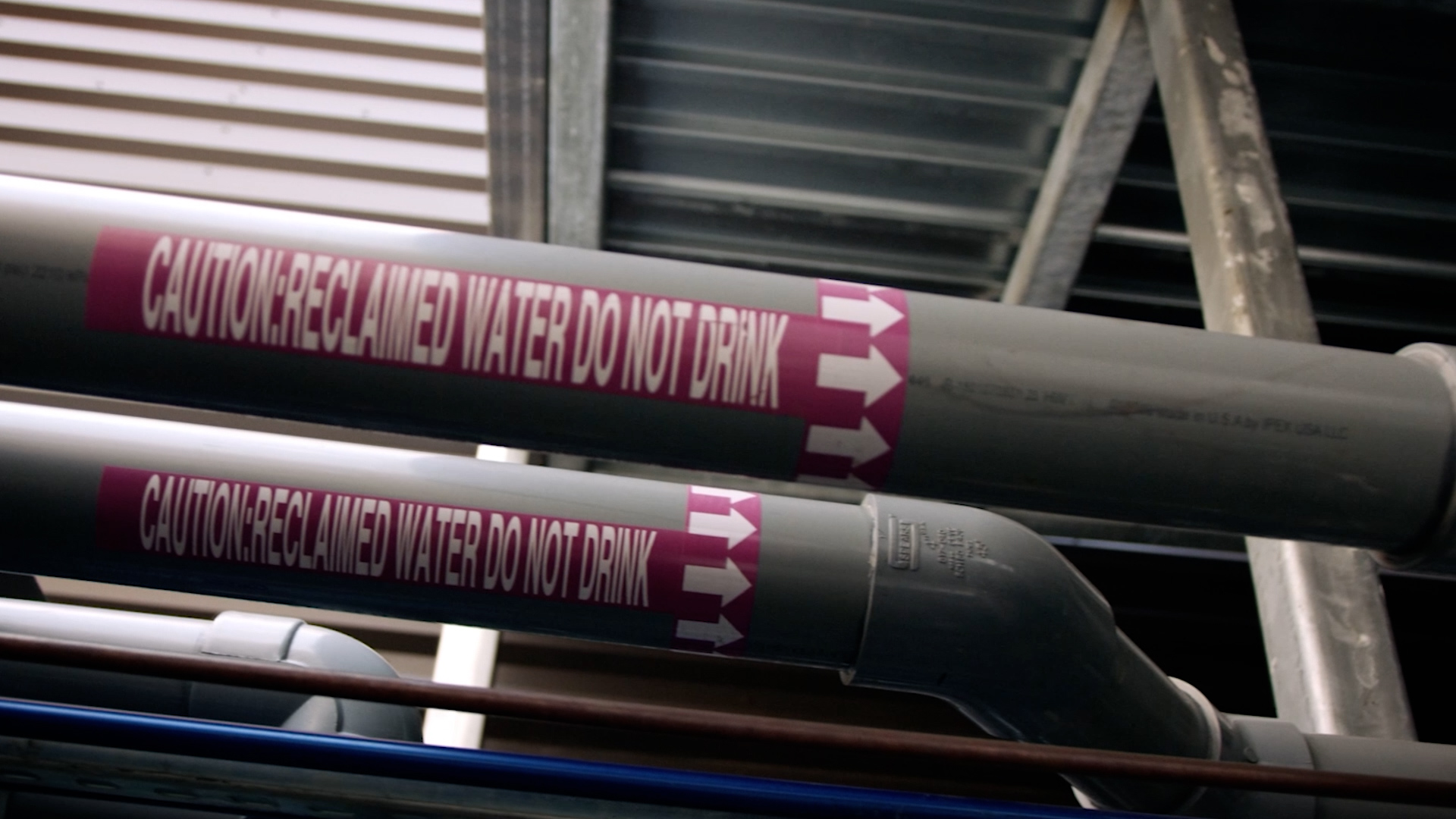
Amazon Web Services recently announced a significant achievement in its ongoing efforts to reduce water consumption at its data centers. The company has made remarkable progress, becoming seven times more water-efficient than the industry average.
With a goal to be water positive by 2030, AWS aims to replenish a greater volume of water to the communities from which it draws water for its operations. This commitment underscores the company’s dedication to sustainability and environmental stewardship.
Addressing Water and Energy Usage Challenges
As data center operators face increasing scrutiny over their water and energy usage, AWS is actively implementing strategies to mitigate these concerns. The surge in artificial intelligence adoption has fueled the rapid expansion of data center facilities, prompting the need for innovative solutions to minimize environmental impact.
Despite the growth of data centers, public perception often differs from the reality of efficient water management practices employed by companies like Amazon. Executives at AWS emphasize the importance of educating communities about their sustainable practices to combat misconceptions.
Water-Saving Strategies
One of the key methods employed by AWS to reduce water usage is the utilization of fans for cooling their facilities, a practice that is implemented approximately 90% of the time. By drawing in outside air and using evaporative cooling when necessary, the company has significantly lowered its water consumption per kilowatt-hour of operations.
These efforts have resulted in AWS using only 0.12 liters of water per kilowatt-hour, a stark contrast to the industry average of 0.84 liters. The company’s commitment to water efficiency has been verified by external auditors, reflecting its transparency and accountability in sustainable practices.
Industry-wide Water Conservation Initiatives
While AWS leads the charge in water efficiency, other tech giants are also ramping up their water-saving initiatives. Microsoft, for instance, has pledged a substantial improvement in water efficiency by 2030 and is focusing on replenishing water in the districts where it operates.
Despite these efforts, public concerns persist, especially in regions facing water scarcity. The location of data centers in water-stressed areas has raised alarms about the industry’s impact on local water resources.
Community Engagement and Environmental Responsibility
Amazon’s approach to water stewardship extends beyond minimizing consumption at its data centers. The company actively collaborates with local organizations to replenish water back into the communities, ensuring a net positive impact on the environment.
By engaging in replenishment programs that support sustainable agriculture and water conservation, AWS is committed to making a meaningful difference in water-stressed regions. Through these initiatives, the company aims to return more water than it consumes, exemplifying its dedication to environmental responsibility.






Fungal Fury: A Mycelial Roguelike Adventure in Early Access

The Top 9 Game-Changing Startups Unveiled at Y Combinator’s Demo Day, as Voted by Venture Capitalists

Tim Cook’s $47M Apple Pay: The CEO Standard

Rare Sighting: Eight Ferrari F40 Supercars Converge in Paris

Saudi Investors Eye Formation of Gaming Giant with EA and Savvy Games Merger

Furo Secures €3.44 Million Funding to Revolutionize Industrial Battery Storage

Apple’s Latest Innovation: iPhone Game Controllers in the Works

Apple Strengthens Sensor Technology with Acquisition of Sonera

The most Beautiful Android Games you’ve never played.

EU Takes Action Against Instagram and Facebook for Violating Illegal Content Rules

Warning: Facebook Creators Face Monetization Loss for Stealing and Reposting Videos

Facebook’s New Look: A Blend of Instagram’s Style

Facebook Compliance: ICE-tracking Page Removed After US Government Intervention

Facebook and Instagram to Reduce Personalized Ads for European Users

InstaDub: Meta’s AI Translation Tool for Instagram Videos

Reclaim Your Account: Facebook and Instagram Launch New Hub for Account Recovery

Meta discontinues Messenger apps for Windows and macOS

Breaking Updates: Meta Connect 2025 Unveils Latest Developments
The most Beautiful Android Games you’ve never played.

Charge your Smartphone in 5 Minutes – How Batteries are about to Change!

10 CHEAP Smartphone Gadgets that Change Everything.

Huawei Mobile Cloud – The Huawei P20 Feature you didn’t know about!

PUBG MOBILE on Android – Disastrous or Revolutionary?

Why you should buy the Galaxy S8 right now.

Customize your Android Smartphone!

Xiaomi Mi Mix 2S Review – Beauty and the BEAST.

Samsung Galaxy X – New Info!
-
 Facebook11 months ago
EU Takes Action Against Instagram and Facebook for Violating Illegal Content Rules
-
 Facebook11 months ago
Warning: Facebook Creators Face Monetization Loss for Stealing and Reposting Videos
-
 Facebook9 months ago
Facebook’s New Look: A Blend of Instagram’s Style
-
 Facebook11 months ago
Facebook Compliance: ICE-tracking Page Removed After US Government Intervention
-
 Facebook9 months ago
Facebook and Instagram to Reduce Personalized Ads for European Users
-
 Facebook11 months ago
InstaDub: Meta’s AI Translation Tool for Instagram Videos
-
 Facebook9 months ago
Reclaim Your Account: Facebook and Instagram Launch New Hub for Account Recovery
-
 Apple11 months ago
Meta discontinues Messenger apps for Windows and macOS
