
Cars
The BMW M1: A V8/V10 Near Miss and the Triumph of the M88 Straight-Six

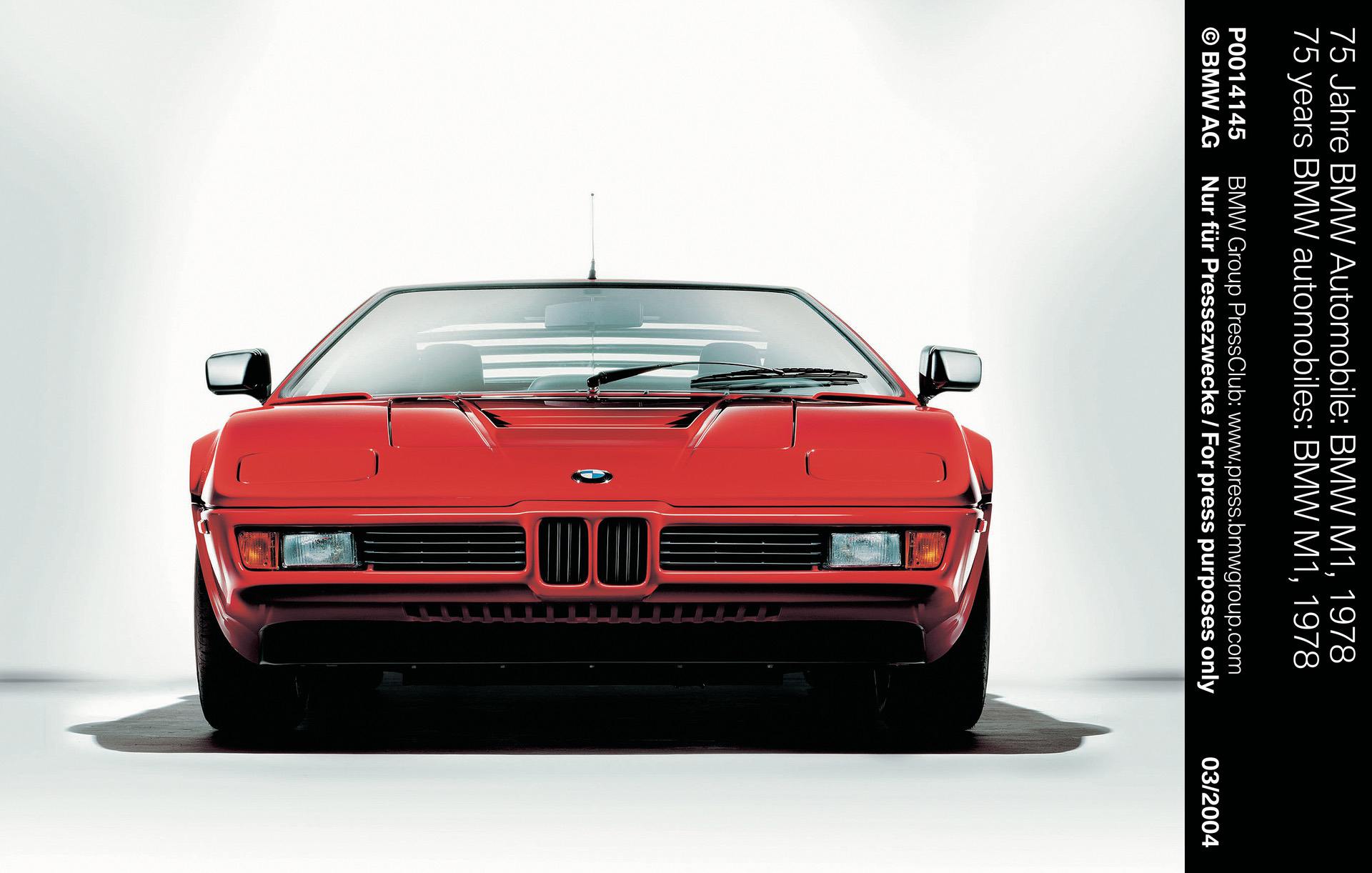
Exploring the Legacy of the BMW M1
- The BMW M1, known for its iconic design and powerful M88 engine, almost had a different power source.
- Before settling on the M88 inline-six, BMW considered V8 and V10 options for the M1.
- The M1’s development as a homologation race car shaped BMW’s performance legacy.
The BMW M1 is a seminal vehicle in automotive history, revered for its sleek design, status as BMW M’s inaugural supercar, and the legendary M88 engine nestled in its rear. However, the story behind the M1’s engine selection is a fascinating one, revealing that BMW had initially contemplated alternative powertrains.
In a recent discussion featuring Tom Pluckinsky, Head of BMW Classic USA, and Steve Saxty, author of the acclaimed “BMW by Design” series, insights were shared on the M1’s development process. Surprisingly, BMW had entertained the idea of equipping the M1 with a V8 or V10 engine before ultimately opting for the iconic M88 inline-six that defined the car’s performance.
The Significance of the BMW M1
The BMW M1’s development was driven by a focus on racing, with the road car serving as a means to meet homologation requirements. Unlike past experiences with the 3.0 CSL, BMW adopted a new strategy with the M1, prioritizing the race car’s design and then adapting it for street use.
Central to this approach was the selection of the powertrain. BMW faced a tight deadline set by their chassis development partner, prompting a swift decision on the engine configuration. While initial designs hinted at a different engine layout, the choice of the M88 inline-six led to innovative design solutions, such as cleverly integrated side vents to mask the engine’s height.
The Evolution of the M88 Engine

The M88 engine, with its innovative features like dual overhead camshafts and dry-sump lubrication, not only propelled the M1 to supercar status but also left a lasting mark on BMW’s performance lineup. Its inclusion in the iconic E28 M5 sedan showcased the engine’s versatility and performance capabilities, setting a benchmark for future BMW M models.
Reflecting on the M1’s development journey, the decision to adopt the M88 engine stands as a pivotal moment in automotive history. While other engine options were considered, the M1’s legacy as a race-bred supercar owes much to the distinctive character and engineering excellence of the M88 inline-six.
A glimpse into the partnership between Lamborghini and BMW:
Transform the following:
From: I am going to the store to buy groceries.
To: I will be heading to the store to purchase some groceries.











Oneplus 5T vs Pixel 2 XL vs S8 vs iPhone 8 Battery Charging Speed Test!

The Affordable Next-Gen Xbox: Debunking the $1,800 Price Tag

Revelation: A New Dawn in the Helldivers Universe

Battery Life Halved by Garmin’s New Voice Controls

Revolutionizing Energy: The Future of Next-Gen Battery Life

Warhound Secures $200M Investment to Develop Advanced Military Canines Equipped with Anduril Technology

No, the iPhone Duo isn’t a miniature device

Rebirth of Resilience: The Evolution of Crisis Management in the Digital Age

Australian Court Rules Against Apple’s App Store Monopoly

EU Takes Action Against Instagram and Facebook for Violating Illegal Content Rules

Warning: Facebook Creators Face Monetization Loss for Stealing and Reposting Videos

Facebook’s New Look: A Blend of Instagram’s Style

Facebook Compliance: ICE-tracking Page Removed After US Government Intervention

Facebook and Instagram to Reduce Personalized Ads for European Users

InstaDub: Meta’s AI Translation Tool for Instagram Videos

Reclaim Your Account: Facebook and Instagram Launch New Hub for Account Recovery

Meta discontinues Messenger apps for Windows and macOS

Breaking Updates: Meta Connect 2025 Unveils Latest Developments
Oneplus 5T vs Pixel 2 XL vs S8 vs iPhone 8 Battery Charging Speed Test!

MY NEW CAR?! (Q&A)

Should you buy your Smartphones Refurbished!?

6 Amazing SECRET Android Launchers (2017 / 2018)

6 Value for Money Tech Products you NEED to try!

iPhone X Helicopter 1200ft Drop Test!! + Mous Case Review

7 UNBELIEVABLE Smartphone Magic Tricks!

Oneplus 5T vs Oneplus 1 – 3 Years Later.

Top 20 BEST Smartphones of 2017!
-
 Facebook12 months ago
EU Takes Action Against Instagram and Facebook for Violating Illegal Content Rules
-
 Facebook1 year ago
Warning: Facebook Creators Face Monetization Loss for Stealing and Reposting Videos
-
 Facebook11 months ago
Facebook’s New Look: A Blend of Instagram’s Style
-
 Facebook1 year ago
Facebook Compliance: ICE-tracking Page Removed After US Government Intervention
-
 Facebook11 months ago
Facebook and Instagram to Reduce Personalized Ads for European Users
-
 Facebook1 year ago
InstaDub: Meta’s AI Translation Tool for Instagram Videos
-
 Facebook11 months ago
Reclaim Your Account: Facebook and Instagram Launch New Hub for Account Recovery
-
 Apple1 year ago
Meta discontinues Messenger apps for Windows and macOS
