
Inovation
The End of Passwords: Embracing Biometric Security

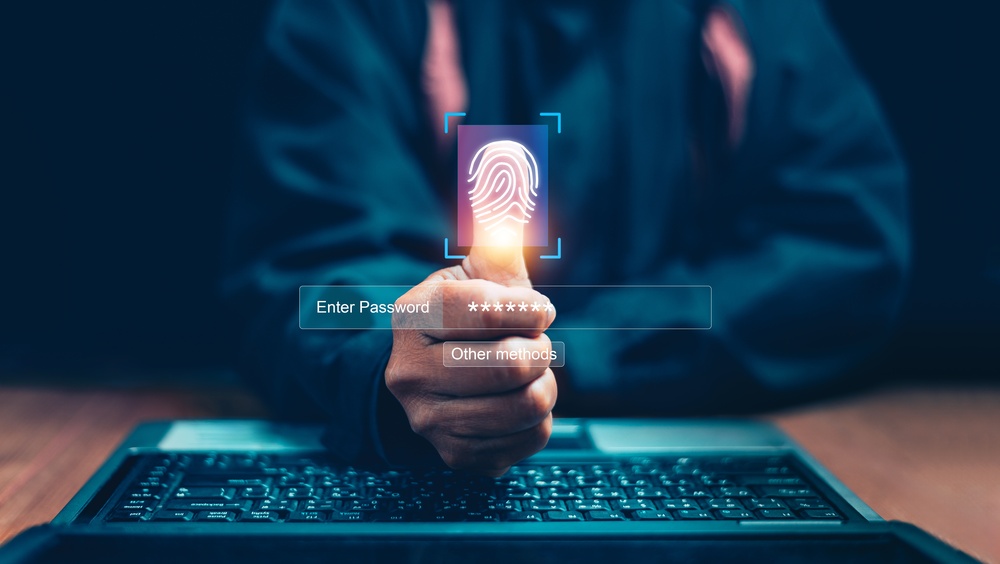
The Evolution of Digital Security: The Decline of Passwords and the Rise of Biometrics
For years, passwords have been the cornerstone of online security. They have been used to access everything from bank accounts to social media profiles. However, experts now believe that the era of passwords is coming to an end.
The increase in cyber threats such as phishing, ransomware, and AI-driven fraud has exposed the vulnerabilities of password-based security systems. As a result, companies, banks, and governments are shifting towards biometric security measures like fingerprints, facial recognition, and voice authentication.
This transition is reshaping how we interact with technology. Smartphones now unlock with a simple glance, airports use facial recognition gates, and banks rely on biometric authentication to combat fraud.
While biometric security offers a more seamless and secure alternative to passwords, concerns about privacy and data protection have been raised. The shift towards biometrics signals the beginning of the end for traditional passwords.
The Ineffectiveness of Passwords
The traditional password model was based on the idea that users could create unique and secure credentials for each service they used. However, with the proliferation of online accounts, password reuse has become common, leaving users vulnerable to cyber attacks.
Cybercriminals exploit leaked credentials through “credential stuffing” attacks, while phishing scams have become more sophisticated, targeting users directly. Even two-factor authentication systems have shown weaknesses.
Despite efforts to enhance password security, the reliance on human behavior remains a significant issue. Weak passwords and phishing attacks continue to be major contributors to cybercrime.
The Emergence of Biometric Security
Biometric security offers a solution by shifting authentication from what users know to who they are. This technology verifies physical or behavioral characteristics such as fingerprints, facial features, and voiceprints.
Biometric systems have become mainstream, with smartphones incorporating facial recognition and fingerprint scanners. Financial institutions are also adopting biometric authentication to enhance fraud prevention.
Biometric gates at airports automate identity verification processes, highlighting the difficulty of stealing or replicating biometric identifiers compared to passwords.
The Impact of AI on Fraud
The advancement of artificial intelligence has accelerated the need to move away from passwords. AI tools enable fraudsters to create convincing phishing emails, deepfake videos, and other deceptive tactics.
Knowledge-based authentication methods are increasingly vulnerable in an environment where personal information is easily accessible. Biometric security is seen as a scalable solution to combat AI-enhanced fraud.
Many companies are developing passwordless authentication systems based on biometrics and cryptographic passkeys to reduce phishing attacks and enhance security.
The Privacy Debate
While biometric security offers enhanced protection, concerns about privacy and surveillance have been raised. Biometric data is permanent and can be a target for hackers or misuse by governments and corporations.
Facial recognition systems, in particular, raise questions about surveillance and privacy invasion. Regulators are working to balance security benefits with civil liberties concerns.
Behavioral biometrics, which analyze user interactions with devices, are being explored as a continuous authentication method. While this approach offers seamless protection, it introduces additional data collection concerns.
The Future of Identity Protection
The shift towards biometric security is now a reality as companies, financial institutions, and governments prioritize digital identity protection. The convenience and security offered by biometrics are driving this transition.
As cyber threats evolve, biometrics provide a more secure authentication method tied to unique human characteristics. The challenge lies in enhancing security without compromising privacy or creating new risks.
While passwords are not disappearing overnight, the dominance of passwords is waning. The future of cybersecurity will rely less on what users know and more on who they are.












Lost in the Living Maze: Unraveling Hidden Terrain Magic Through Copy-Paste

Samsung Unveils Exclusive Galaxy Z Fold 8 BTS Edition

Navigating the Digital World: Expert Tech Advice for Everyman

OMass Therapeutics Secures €275 Million Funding to Advance Innovative Small-Molecule Therapies

The Evolution of Apple’s Smart Home Strategy: A Closer Look at Their Own Devices

Unveiling the Imposter: The Truth Behind the Fake WhatsApp Clone on the Play Store

Digital Protection: How a 1988 Law Could Safeguard Your Online Viewing Experience

BMW Unlocks Greater Range for i7 Model Through Innovative Technology

Modern Warfare 4: The Final Chapter and the Birth of a New COD Legacy

EU Takes Action Against Instagram and Facebook for Violating Illegal Content Rules

Warning: Facebook Creators Face Monetization Loss for Stealing and Reposting Videos

Facebook’s New Look: A Blend of Instagram’s Style

Facebook Compliance: ICE-tracking Page Removed After US Government Intervention

Facebook and Instagram to Reduce Personalized Ads for European Users

InstaDub: Meta’s AI Translation Tool for Instagram Videos

Reclaim Your Account: Facebook and Instagram Launch New Hub for Account Recovery

Meta discontinues Messenger apps for Windows and macOS

Breaking Updates: Meta Connect 2025 Unveils Latest Developments

$25,000 Gaming Setup – EVOLUTION!

The Maze Alpha X is HERE!

Cool Tech under $100 – December!

MYSTERY UNBOXING FROM GOOGLE!

TOP 6 Smartphones from Companies you NEVER Expected!

A Surprise Smartphone from EE!

DOOGEE MIX 2 VS DOOGEE MIX 1!

INCREDIBLE Smartphone Gadgets on Amazon!

10 Android Apps you NEED to try in 2017 / 2018
-
 Facebook12 months ago
EU Takes Action Against Instagram and Facebook for Violating Illegal Content Rules
-
 Facebook1 year ago
Warning: Facebook Creators Face Monetization Loss for Stealing and Reposting Videos
-
 Facebook10 months ago
Facebook’s New Look: A Blend of Instagram’s Style
-
 Facebook1 year ago
Facebook Compliance: ICE-tracking Page Removed After US Government Intervention
-
 Facebook10 months ago
Facebook and Instagram to Reduce Personalized Ads for European Users
-
 Facebook1 year ago
InstaDub: Meta’s AI Translation Tool for Instagram Videos
-
 Facebook11 months ago
Reclaim Your Account: Facebook and Instagram Launch New Hub for Account Recovery
-
 Apple12 months ago
Meta discontinues Messenger apps for Windows and macOS
