
Mobile Tech
Ultimate Guide to Selecting the Perfect iPhone 18 Pro or iPhone Duo Case

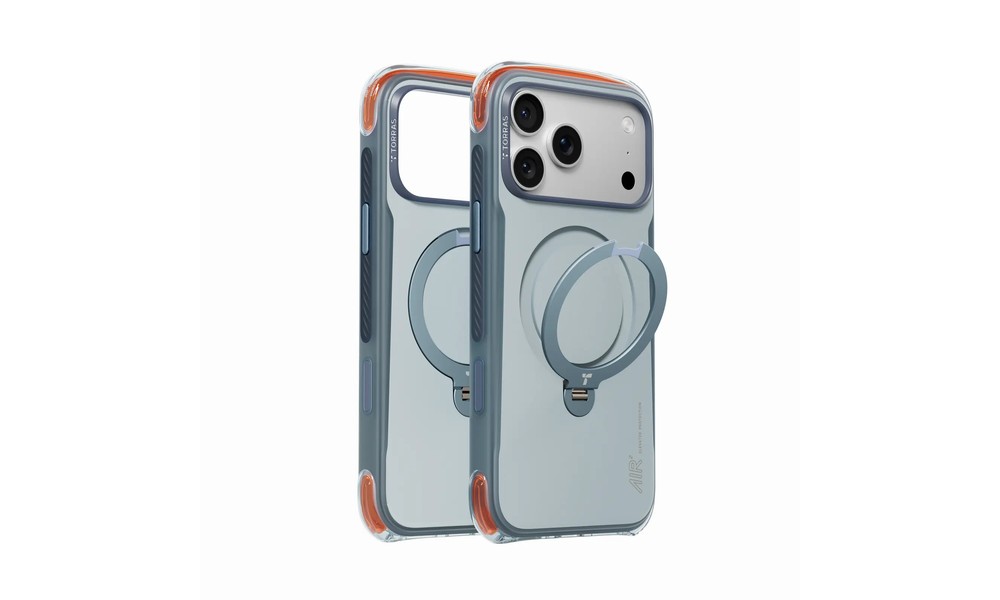
A new iPhone is an investment, and the first decision most people face after unboxing is how to keep it safe without hiding what makes it beautiful.
The market for iPhone 18 Pro and iPhone Duo cases is crowded, and every listing promises rugged protection, a slim profile, and flawless MagSafe performance at the same time. In reality, those goals often pull in different directions, and the right choice depends on how you actually use your phone day to day.
This guide walks through what matters when comparing a protective iPhone case against a slim one, why a MagSafe case needs more than a magnet ring to work well, and when a built-in stand is worth the extra thickness.
Whether you commute with your phone in a back pocket, film content on the go, or simply want something that survives a drop on concrete, you will find a practical framework here for narrowing down your options and making a confident choice.
Why the Right iPhone Case Matters More Than You Think
Modern iPhones are built with premium glass and precise camera arrays, which makes them stunning to look at and expensive to repair. A cracked back panel or a scratched lens can cost a significant portion of the phone’s value, and even minor cosmetic damage lowers resale price later.
The case you choose is the single most effective way to protect that value, yet many buyers treat it as an afterthought and grab whatever is cheapest at checkout.
Beyond protection, the case shapes how the phone feels in your hand every single day. Thickness, texture, button feel, and weight all influence whether you enjoy using the device or find yourself constantly adjusting your grip.
Choosing the right protection — like exploring TORRAS’ new lineup for the iPhone 18 Pro and iPhone Duo — should start with your habits rather than marketing claims. Ask yourself where your phone lives most of the time, how often it gets dropped, and which accessories you rely on. Those answers will point you toward the right balance of protection and comfort far more reliably than any spec sheet.
Understanding Protection Levels and Drop Ratings
Protection is not a single feature but a combination of materials, structure, and design choices that work together when the phone hits the ground. Understanding these elements helps you separate genuine engineering from clever packaging.
Drop Protection and Impact Absorption
The most meaningful protection comes from how a case manages impact energy. A hard outer shell alone can transfer shock straight into the phone, while a soft inner layer absorbs and disperses it.
The best designs use a dual-layer structure with a rigid polycarbonate back and a flexible thermoplastic bumper, often reinforced at the corners where drops land most frequently.
Look for cases that mention military-standard drop testing, but read further to see how many drops and from what height the testing covered. Air-cushion corners and internal honeycomb patterns are practical signs that the manufacturer has thought about impact rather than just appearance.
Camera and Screen Protection
The camera module on the iPhone 18 Pro protrudes noticeably, and the folding chassis of the iPhone Duo introduces an entirely new hinge vulnerability. A well-designed protective case includes raised lips around the camera cutouts and hinge coverage, ensuring your delicate hardware never touches a flat surface.
The same principle applies to the front, where a raised edge of even a fraction of a millimeter keeps the screen off flat surfaces. When comparing options, hold the case at eye level and check whether both the camera ring and the front bezel actually sit higher than the glass they protect.
MagSafe Case Compatibility: What to Look For
MagSafe has become a core part of the iPhone experience, powering everything from chargers and wallets to car mounts and tripods. A MagSafe iPhone case must do more than just avoid blocking the magnets; it needs to carry its own magnet array that aligns perfectly with the phone’s internal ring, so accessories snap into place with a satisfying pull and stay put during movement.
The difference between a strong and a weak magnet array becomes obvious in daily use. A weak ring might hold a charger on a desk but let a wallet slide off in your pocket or a car mount drop the phone on a bumpy road. Strong built-in magnets keep accessories secure while still allowing them to detach with a deliberate twist.
When reading product descriptions, look for specific mentions of a built-in magnetic ring rather than vague language about being compatible with wireless charging. Some cases also include an alignment magnet at the bottom, which helps accessories seat in the correct orientation every time.
Consider charging speed as well. A case that is too thick between the coil and the charger can slow wireless charging or cause the phone to warm up more than necessary.
Well-engineered MagSafe cases keep the back panel thin exactly where the coil sits while adding thickness at the edges and corners where protection matters. This is one of the clearest examples of how thoughtful design resolves the tension between slimness and durability.
Slim Case vs. Rugged Designs: Finding Your Balance
The debate between a slim iPhone case and a rugged one often comes down to a false choice, because the best options today offer meaningful protection at a thickness that was unthinkable a few years ago. Still, the two ends of the spectrum serve different people, and knowing which camp you belong to saves both money and frustration.
A slim case suits anyone who values the phone’s original shape, keeps it in a front pocket or a small bag, and rarely drops it.
Thin cases often use a single layer of polycarbonate or a firm silicone blend, which prevents scratches and handles minor tumbles from waist height. They preserve the crisp button feel and make the phone easier to hold with one hand.
When it comes to choosing a phone case, there is always a trade-off to consider. In this case, the limited corner reinforcement means that a drop onto a hard edge could still result in damage to your phone.
Rugged cases are designed for individuals who work outdoors, have children, or simply want peace of mind. They typically feature substantial bumpers, sometimes a textured grip, and occasionally a built-in screen protector. However, the downside is that they can add bulk and weight to your phone, making it feel like a completely different device.
If you’re unsure about which type of case to choose, a mid-weight option with reinforced corners and a slim back panel can offer the best of both worlds. Brands like TORRAS have focused on striking a balance between shock-absorbing frames and a profile that remains pocket-friendly.
In addition to protection and MagSafe compatibility, there are other features worth considering that can enhance your overall experience with the case over time.
Built-in stands are a useful feature for content creators and commuters, as they allow you to use your phone hands-free for activities like video calls, following recipes in the kitchen, or watching a show on the go. Look for stands that can rotate to support both portrait and landscape orientations, and some even double as a finger ring for a more secure grip.
The texture and material of the case can also make a difference in terms of durability and feel. Matte polycarbonate resists fingerprints and scratches but can be slippery, while silicone offers excellent grip but may attract lint and discolor over time. Newer blends aim to combine a soft-touch finish with stain resistance, and some clear cases feature anti-yellowing coatings to maintain transparency.
When making your final decision, consider the situations where your phone is most at risk, prioritize the accessory you use most with MagSafe, and determine how much thickness you’re willing to accept for corner protection. This will help you narrow down your options and choose the right case for your needs.
Ultimately, selecting the right iPhone case is about finding a balance between protection and convenience that aligns with your lifestyle. By focusing on the features that matter most to you and considering long-term wear and usability, you can make a thoughtful purchase that will keep your phone safe and functional for months to come.











Ultimate Guide to Selecting the Perfect iPhone 18 Pro or iPhone Duo Case

This could be your next Smartphone.

Conquering the Rubicon: A Review of the 2027 Jeep Wrangler 392

Trump administration accuses Microsoft of worker visa program abuse and restricts access

Ransomware Affiliate Betrayal: The WhatsApp RAT and Other Cyber Threats Unveiled

The Escapists: Breakout in 3D – A New Dimension of Freedom in 2027

Revolutionizing Energy Solutions for Data Centers and Military Vehicles: The Petra Power Initiative

Ultimate Travel Companion: Must-Have iPhone Apps for Stress-Free Journeys

Customized Koenigsegg CC850 Arrives in Denmark with Luxurious Gold Wheels

EU Takes Action Against Instagram and Facebook for Violating Illegal Content Rules

Warning: Facebook Creators Face Monetization Loss for Stealing and Reposting Videos

Facebook’s New Look: A Blend of Instagram’s Style

Facebook Compliance: ICE-tracking Page Removed After US Government Intervention

Facebook and Instagram to Reduce Personalized Ads for European Users

InstaDub: Meta’s AI Translation Tool for Instagram Videos

Reclaim Your Account: Facebook and Instagram Launch New Hub for Account Recovery

Meta discontinues Messenger apps for Windows and macOS

Breaking Updates: Meta Connect 2025 Unveils Latest Developments
This could be your next Smartphone.

Top 10 most INSANE Limited Edition Smartphones!

How Smart is the AI-Powered Huawei Mate 10 – with EMUI 8.0?

I used a 2012 Smartphone in 2018 – Here’s what happened.

How to send ANY file Anywhere!

NEW Oneplus 5T Sandstone White Unboxing – The Ultimate Oneplus 5T?

HUAWEI P20 – THE SMARTPHONE REVOLUTION IS HERE?

How OnePlus succeeded when they should have failed.

Samsung sent us THIS! #AD
-
 Facebook12 months ago
EU Takes Action Against Instagram and Facebook for Violating Illegal Content Rules
-
 Facebook12 months ago
Warning: Facebook Creators Face Monetization Loss for Stealing and Reposting Videos
-
 Facebook10 months ago
Facebook’s New Look: A Blend of Instagram’s Style
-
 Facebook12 months ago
Facebook Compliance: ICE-tracking Page Removed After US Government Intervention
-
 Facebook10 months ago
Facebook and Instagram to Reduce Personalized Ads for European Users
-
 Facebook12 months ago
InstaDub: Meta’s AI Translation Tool for Instagram Videos
-
 Facebook10 months ago
Reclaim Your Account: Facebook and Instagram Launch New Hub for Account Recovery
-
 Apple12 months ago
Meta discontinues Messenger apps for Windows and macOS
