
AI
Unveiling the Truth: Insights from MWC 2026

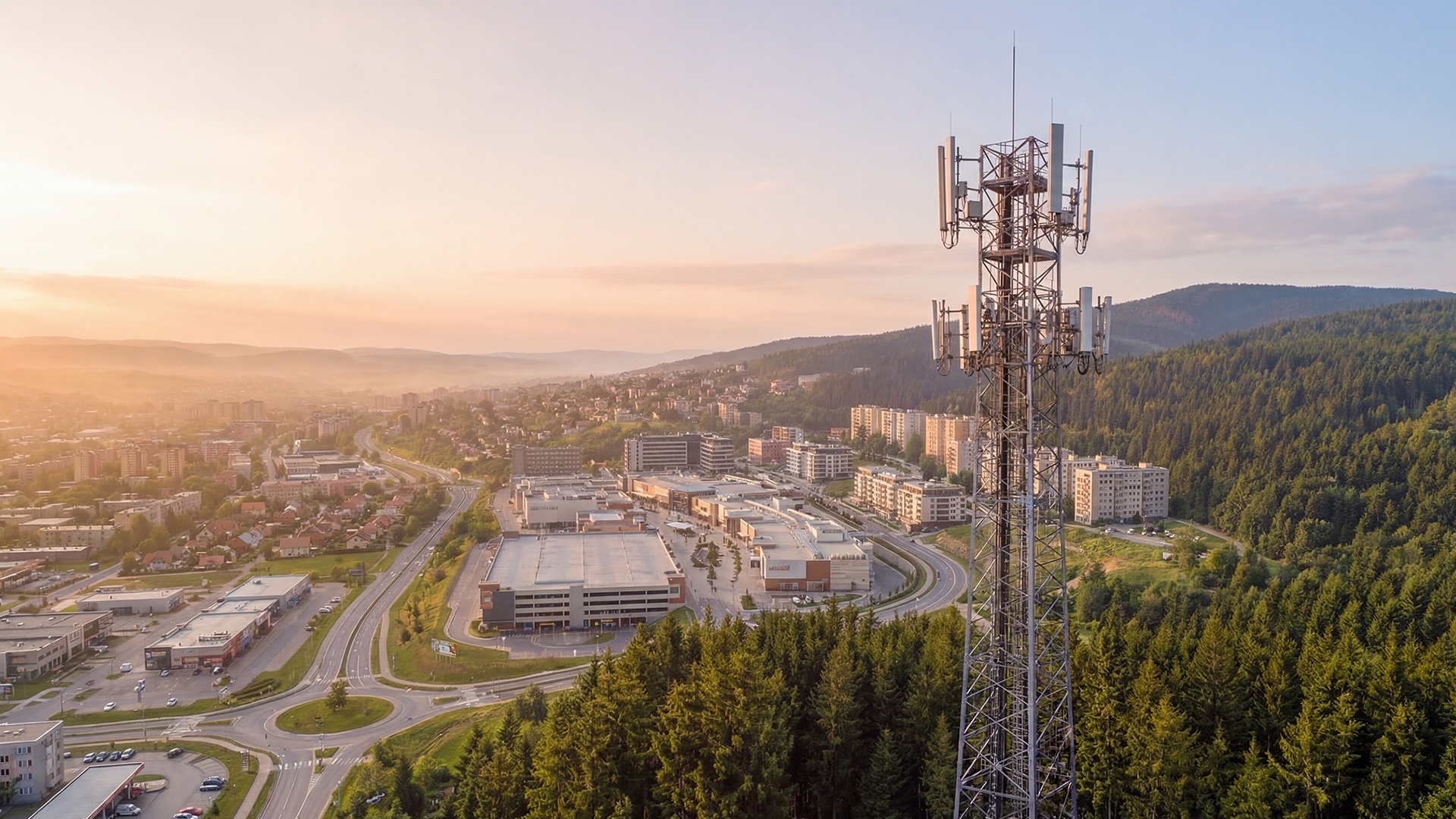
AI-native Networks Take Center Stage at MWC 2026
Mobile World Congress (MWC) in Barcelona has long been a platform for discussing the potential of AI-native networks, but the 2026 edition marked a significant shift. This time, concrete evidence accompanied the discussions. Major telecom vendors, chipmakers, and operators made a series of announcements that not only reiterated the vision for AI-RAN but also showcased field trial results, commercial product launches, open-source toolkits, and a multi-operator coalition committed to building 6G on AI-native foundations.
This wave of announcements sends a clear signal to enterprise and IT decision-makers: the ongoing architectural transformation in telecom infrastructure will soon revolutionize how connectivity is delivered, managed, and monetized.
Nvidia and a Global Coalition Embrace AI-RAN and 6G
The most impactful announcement at MWC 2026 came from Nvidia, which garnered commitments from numerous global operators and technology companies, such as BT Group, Deutsche Telekom, Ericsson, Nokia, SK Telecom, and T-Mobile, among others, to develop 6G on open, secure, and AI-native software-defined platforms. This initiative, aimed at ensuring intelligent, resilient, and trustworthy future connectivity infrastructure, is supported by collaborations with governments in the US, UK, Europe, Japan, and Korea.
Nvidia’s CEO, Jensen Huang, emphasized the transformative power of AI in computing and telecommunications, positioning it as the driving force behind the largest infrastructure buildout in human history. Nvidia’s involvement in the AI-RAN Alliance and the OCUDU Initiative underscores its commitment to advancing open, software-defined, AI-native 6G architectures.
Additionally, Nvidia introduced a range of open-source tools tailored for network operators, including a 30-billion-parameter Nemotron Large Telco Model (LTM), an open-source guide for building AI agents, and Nvidia Blueprints for RAN energy efficiency and network configuration.
The collaboration between Nvidia and industry leaders signifies a significant step towards the realization of AI-native networks.
Nokia and Operators Push the Boundaries of AI-RAN
Nokia showcased substantial progress in its AI-RAN partnership with Nvidia, conducting functional tests of its anyRAN software on Nvidia’s GPU-accelerated AI-RAN platform with leading operators like T-Mobile US, Indosat Ooredoo Hutchison (IOH), and SoftBank Corp. These tests, performed in live, over-the-air conditions, demonstrated the viability of AI-RAN technology in real-world scenarios.
IOH’s achievement of Southeast Asia’s first AI-RAN-powered Layer 3 5G call and SoftBank’s demonstration of spare compute capacity utilization through AI workloads highlight the potential for AI-RAN to enhance network capabilities beyond traditional connectivity.
Nokia’s expanding AI-RAN ecosystem, which now includes partnerships with Dell Technologies, Quanta, Supermicro, and Red Hat OpenShift, offers operators a diverse range of off-the-shelf options for implementing AI-native solutions.
Ericsson’s Unique Approach to AI-native Networks
Contrasting with Nokia’s reliance on Nvidia GPU acceleration, Ericsson introduced ten new AI-ready radios with purpose-built silicon featuring embedded neural network accelerators. This approach aims to deliver enhanced performance, lower total cost of ownership, and supply chain independence compared to using external GPU hardware.
Ericsson’s collaboration with Intel to accelerate ecosystem readiness for AI-native 6G underscores its commitment to shaping the future of network infrastructure. The partnership emphasizes the significance of AI in distributing computing power across devices, the edge, and the cloud.
By offering a custom silicon solution, Ericsson presents a unique perspective on the integration of AI into network hardware, challenging the industry norm and driving innovation in AI-RAN technology.
Operators Embrace AI-RAN for Network Transformation
SK Telecom and SoftBank outlined their strategies for incorporating AI-RAN into their broader infrastructure plans at MWC 2026. SK Telecom detailed a comprehensive AI-native rebuild of its network core and customer service systems, emphasizing the role of AI-RAN in enhancing network speed and reducing latency.
SoftBank showcased its Autonomous Agentic AI-RAN system, developed in collaboration with leading technology partners, to demonstrate the potential of AI-driven network configurations based on natural-language operator goals. These initiatives mark a significant shift towards autonomous network management enabled by AI-RAN technology.
Hardware Ecosystem Supports AI-RAN Development
MWC 2026 highlighted the growing hardware ecosystem dedicated to AI-RAN infrastructure, with companies like Quanta Cloud Technology, Supermicro, MSI, and Lanner Electronics launching purpose-built products tailored for AI-RAN deployments. These advancements signify the maturation of AI-RAN technology and its transition from concept to commercial reality.
AMD’s EPYC 8005 edge platform and Intel’s collaboration with Ericsson further underscore the industry’s commitment to developing open, power-efficient networks grounded in AI inference.
Implications of AI-native Networks for Enterprises
For enterprise decision-makers, the advent of AI-native networks represents a significant shift in how telecom infrastructure is procured and managed. The evolution towards software-driven networks offers increased flexibility and agility, akin to cloud infrastructure, while the integration of GPU compute into the RAN opens up possibilities for running AI workloads at the network edge.
The ongoing debate between Ericsson’s custom silicon approach and Nokia-Nvidia’s GPU-accelerated strategy reflects the industry’s exploration of optimal AI inference placement in network hardware. This debate will influence operator procurement decisions and vendor relationships in the coming years.
Overall, MWC 2026 marked a pivotal moment in the evolution of AI-native networks, signaling a shift from theoretical discussions to tangible implementations. The rapid progress in AI-RAN technology and infrastructure development sets the stage for a transformative era in connectivity and network management.
(Photo by )
For more insights on AI and big data from industry experts, don’t miss the upcoming AI & Big Data Expo events in Amsterdam, California, and London, part of the TechEx series co-located with the Cyber Security & Cloud Expo.
Powered by TechForge Media, AI News brings you the latest updates on enterprise technology events and webinars. Explore more upcoming events here.











Oneplus 5T vs Pixel 2 XL vs S8 vs iPhone 8 Battery Charging Speed Test!

The Affordable Next-Gen Xbox: Debunking the $1,800 Price Tag

Revelation: A New Dawn in the Helldivers Universe

Battery Life Halved by Garmin’s New Voice Controls

Revolutionizing Energy: The Future of Next-Gen Battery Life

Warhound Secures $200M Investment to Develop Advanced Military Canines Equipped with Anduril Technology

No, the iPhone Duo isn’t a miniature device

Rebirth of Resilience: The Evolution of Crisis Management in the Digital Age

Australian Court Rules Against Apple’s App Store Monopoly

EU Takes Action Against Instagram and Facebook for Violating Illegal Content Rules

Warning: Facebook Creators Face Monetization Loss for Stealing and Reposting Videos

Facebook’s New Look: A Blend of Instagram’s Style

Facebook Compliance: ICE-tracking Page Removed After US Government Intervention

Facebook and Instagram to Reduce Personalized Ads for European Users

InstaDub: Meta’s AI Translation Tool for Instagram Videos

Reclaim Your Account: Facebook and Instagram Launch New Hub for Account Recovery

Meta discontinues Messenger apps for Windows and macOS

Breaking Updates: Meta Connect 2025 Unveils Latest Developments
Oneplus 5T vs Pixel 2 XL vs S8 vs iPhone 8 Battery Charging Speed Test!

MY NEW CAR?! (Q&A)

Should you buy your Smartphones Refurbished!?

6 Amazing SECRET Android Launchers (2017 / 2018)

6 Value for Money Tech Products you NEED to try!

iPhone X Helicopter 1200ft Drop Test!! + Mous Case Review

7 UNBELIEVABLE Smartphone Magic Tricks!

Oneplus 5T vs Oneplus 1 – 3 Years Later.

Top 20 BEST Smartphones of 2017!
-
 Facebook12 months ago
EU Takes Action Against Instagram and Facebook for Violating Illegal Content Rules
-
 Facebook1 year ago
Warning: Facebook Creators Face Monetization Loss for Stealing and Reposting Videos
-
 Facebook11 months ago
Facebook’s New Look: A Blend of Instagram’s Style
-
 Facebook1 year ago
Facebook Compliance: ICE-tracking Page Removed After US Government Intervention
-
 Facebook11 months ago
Facebook and Instagram to Reduce Personalized Ads for European Users
-
 Facebook1 year ago
InstaDub: Meta’s AI Translation Tool for Instagram Videos
-
 Facebook11 months ago
Reclaim Your Account: Facebook and Instagram Launch New Hub for Account Recovery
-
 Apple1 year ago
Meta discontinues Messenger apps for Windows and macOS
