
Startups
Mastering Property Damage Insurance Claims: A Guide to Navigating the Process

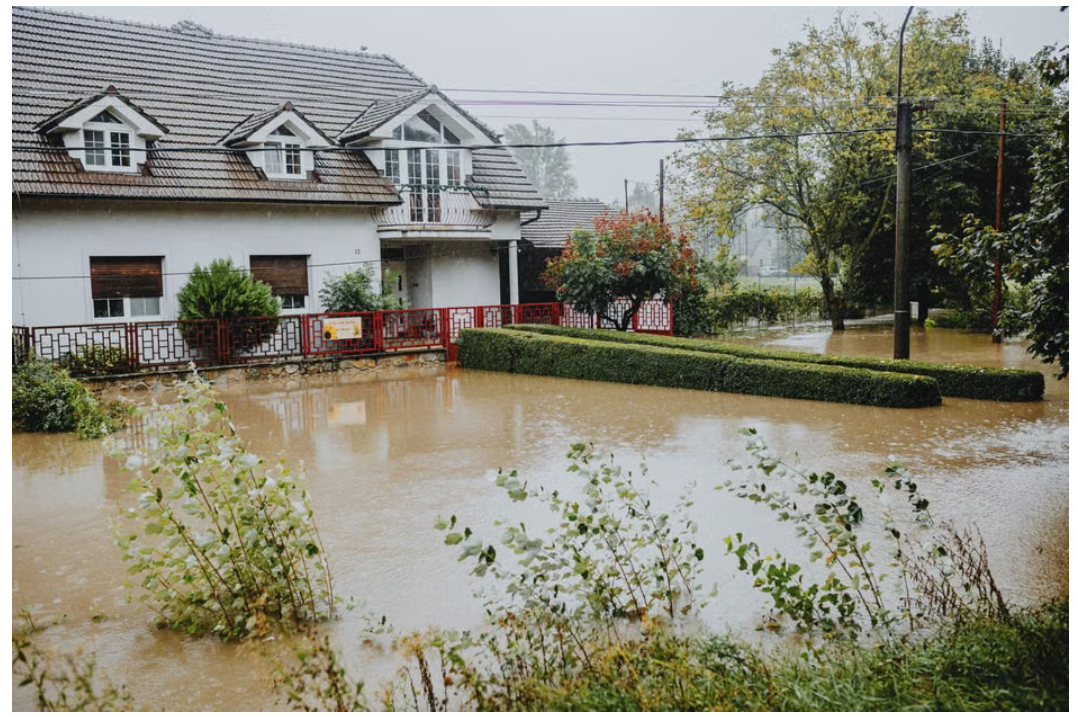
ew events are as disruptive as property damage, whether from a sudden storm, an unexpected fire, or a burst pipe. When such incidents occur, navigating the complexities of an insurance claim can feel overwhelming for policyholders. This is where a skilled and knowledgeable insurance adjuster becomes indispensable.
For those considering a career in this critical field, or simply seeking to understand the professionals who help restore lives, comprehending the intricacies of property damage insurance claims is essential. Adjusters play a pivotal role, acting as the bridge between policyholders and insurance companies. They assess losses, interpret policy language, and facilitate the path to recovery.
In this guide, we will delve into property damage claims from an adjuster’s perspective. We will clarify the different types of adjusters—staff, independent, and public—and outline their unique responsibilities. Our aim is to shed light on how these professionals evaluate damage, manage the settlement process, and the crucial skills required to excel in this dynamic profession. By understanding these roles, we empower both aspiring adjusters and policyholders to navigate the claims process with confidence.
The insurance claims industry is supported by a diverse group of professionals, each playing a distinct role in the process of claim representation and resolution. While all adjusters are involved in assessing damage and determining coverage, their allegiances and operational structures vary significantly. Understanding these distinctions is crucial for anyone looking to enter the field or for policyholders seeking assistance. At the core, an adjuster’s primary function is to investigate claims, but whether they act as insurer advocates or policyholder representatives dictates their approach and responsibilities. The importance of adjuster licensing cannot be overstated, as it ensures a baseline of knowledge and adherence to state-specific regulations and code compliance.
The most common types of adjusters working directly for insurance companies are staff adjusters and independent adjusters. Staff adjusters are direct insurer employees, receiving a consistent salary, benefits, and often a more structured work environment. Their primary allegiance is to their employing insurance carrier, and their work is guided by specific carrier guidelines and internal policies. They typically handle a steady stream of claims, often specializing in particular lines of business like auto, property, or workers’ compensation. Their career path often involves internal promotions and management roles within the company.
Independent adjusters, by contrast, are third-party contractors hired by insurance companies or independent adjusting (IA) firms on a per-claim or daily rate basis. While they also represent the insurer, they are not direct employees. This setup offers greater flexibility for both the adjusters and the carriers. For adjusters, it means the potential for higher earnings, particularly during catastrophe response events, where they are often deployed rapidly to affected areas. Independent adjusters might work for multiple carriers, gaining diverse experience. Their workload can be highly variable, with periods of intense activity during major storms or other widespread incidents, followed by quieter times. They are crucial for claim triage during high-volume periods, helping insurers manage surges in demand without expanding their permanent staff.
Adjuster Type Primary Employer/Client Role & Allegiance Compensation Structure Workload & Stability Licensing & Regulation Staff Adjuster Insurance Company Represents the insurer; salaried employee Salary + Benefits Stable, consistent workload Licensed by state, often exempt from some requirements Independent Adjuster Independent Adjusting Firm (contracted by insurers) Represents the insurer; contractor for multiple carriers Fee-based per claim or daily rate Variable, often high during catastrophes Licensed by state, often requires DHS/multi-state licensing Public Adjuster Policyholder Represents the policyholder; advocate for insured Percentage of settlement Variable, based on client acquisition and claims Licensed by state, strict ethical guidelines, bonding Company Staff vs. Independent Adjusters
The Role of a Licensed Public Adjuster
A licensed public adjuster stands apart from staff and independent adjusters because their allegiance is solely to the policyholder. They are hired directly by the insured to represent their interests during the claims process, advocating for the best possible settlement. This role is particularly valuable when policyholders feel overwhelmed, believe their claim has been underpaid, or faces a denial. Public adjusters handle everything from initial damage appraisal and documentation to complex claim negotiation with the insurance company.
Their fee structures are typically contingency-based, meaning they receive a percentage of the final settlement. This aligns their financial interests directly with the policyholder’s, as they only get paid if the policyholder receives a settlement. Given their unique position, public adjusters are often subject to stringent state bonding and licensing requirements, along with strict ethical guidelines, to protect consumers. They bring a professional level of expertise to policyholder representation, ensuring that all aspects of the claim are thoroughly documented and presented, often leading to significantly higher payouts for the insured.
How Adjusters Evaluate Property Damage Insurance Claims

When property damage occurs, the adjuster’s role is to meticulously evaluate the scope of loss and determine its causation. This involves more than just looking at damaged items; it’s a detailed investigation into how the damage occurred, whether it’s covered by the policy, and the extent of necessary repairs or replacement. Key to this process is distinguishing between sudden loss, which is typically covered, and gradual seepage or wear and tear, which are often exclusions. Adjusters must also be aware of any specific endorsements that might alter standard policy coverage.
Policy Coverage and Causation Analysis
The first critical step in evaluating any property damage claim is a thorough review of the policy itself. Adjusters examine the declarations page to understand the specific coverages, limits, and deductibles applicable to the claim. The core task then becomes peril verification: determining if the cause of loss is a covered peril under the policy. For instance, while most policies cover sudden and accidental water damage, they often exclude damage from continuous or repeated leakage. Similarly, wind coverage might be standard, but damage from floodwaters (even if caused by a hurricane) is typically excluded unless there’s a separate flood insurance policy.
This causation analysis is paramount.
Each state has its own regulations regarding the processing of insurance claims, so it is essential to check the specific laws in your area. However, insurers generally have a reasonable amount of time to respond to a claim, conduct an investigation, and make a determination on coverage and payment. It is advisable to follow up with the insurance company if there are delays or concerns about the handling of the claim. Understanding the timeline for claim processing can help policyholders manage their expectations and advocate for a timely resolution. Navigating the intricacies of property damage insurance claims can be a challenging and emotional journey for policyholders. From the initial steps of loss mitigation to the detailed documentation of claims and understanding policy specifics, each stage requires careful attention. This is where the expertise of a knowledgeable insurance adjuster becomes invaluable.
Whether it’s a staff adjuster employed by an insurance company, an independent adjuster called in during emergencies, or a public adjuster advocating for the policyholder, these professionals play a vital role in ensuring fair and efficient claim resolution. They decipher complex policy language, assess damage accurately using specialized tools, and facilitate the process towards reaching a settlement.
For individuals aspiring to become adjusters, the key to a successful career lies in understanding the distinct responsibilities of each role, acquiring essential skills, and committing to continuous learning. For policyholders, having a grasp of the claims process and knowing when to seek professional help can significantly impact their recovery. Success hinges on thorough documentation, a clear understanding of policy terms, and effective communication, ultimately leading to timely repairs and the restoration of peace of mind.
When faced with a denied or underpaid property damage claim, policyholders have several options to explore:
1. Carefully review the denial letter to understand the reasons behind the decision.
2. Gather additional evidence such as expert reports or contractor bids to support your case.
3. Submit a formal dispute outlining your disagreement and providing any new evidence.
4. Invoke the appraisal clause in your policy, allowing for an independent assessment of the damage.
5. File a supplemental claim for any additional damage discovered during repairs.
6. Contact your State Insurance Department for assistance in resolving disputes or investigating unfair practices.
7. Consider hiring a public adjuster to negotiate with the insurer on your behalf.
8. Seek legal counsel if necessary to navigate complex insurance laws.
It is crucial to act promptly and maintain thorough records of all communications and documentation throughout the dispute process to ensure a favorable outcome.
In conclusion, property damage insurance claims require attention to detail and a thorough understanding of the process. By leveraging the expertise of skilled adjusters and being proactive in handling disputes, policyholders can navigate the claims process effectively and achieve a fair resolution. Continuous learning and proper communication are key to successful claim resolution, leading to timely repairs and the restoration of peace of mind for all parties involved.












Solidarity in Ashes: A Charcoal Tale of Love and Rebellion

Android 17’s Advanced Security Feature: Safeguarding Stolen Phones

Mastering Property Damage Insurance Claims: A Guide to Navigating the Process

Tech Giants OpenAI, Anthropic, and Nvidia Break Records with Lobbying Quarters

Important Update: Permanent Daylight Saving Time Implemented in Parts of Canada for Android Users

Next-Generation iPhone Duo 2: Revolutionary Under-Display Face ID Technology Put to the Test

Should you buy your Smartphones Refurbished!?

2027 BMW iX5: A Fast and Furious Ride – Quick Drive Review

Navigating the Turbulent Waters of AI: Insights from Bill Gates

EU Takes Action Against Instagram and Facebook for Violating Illegal Content Rules

Warning: Facebook Creators Face Monetization Loss for Stealing and Reposting Videos

Facebook’s New Look: A Blend of Instagram’s Style

Facebook Compliance: ICE-tracking Page Removed After US Government Intervention

Facebook and Instagram to Reduce Personalized Ads for European Users

InstaDub: Meta’s AI Translation Tool for Instagram Videos

Reclaim Your Account: Facebook and Instagram Launch New Hub for Account Recovery

Meta discontinues Messenger apps for Windows and macOS

Breaking Updates: Meta Connect 2025 Unveils Latest Developments
Should you buy your Smartphones Refurbished!?

6 Amazing SECRET Android Launchers (2017 / 2018)

6 Value for Money Tech Products you NEED to try!

iPhone X Helicopter 1200ft Drop Test!! + Mous Case Review

7 UNBELIEVABLE Smartphone Magic Tricks!

Oneplus 5T vs Oneplus 1 – 3 Years Later.

Top 20 BEST Smartphones of 2017!

5 Amazing Upcoming Smartphone Features – 2018 / 2019

ULTIMATE Power Banks / The Best Power Banks (2017-2018)
-
 Facebook12 months ago
EU Takes Action Against Instagram and Facebook for Violating Illegal Content Rules
-
 Facebook1 year ago
Warning: Facebook Creators Face Monetization Loss for Stealing and Reposting Videos
-
 Facebook11 months ago
Facebook’s New Look: A Blend of Instagram’s Style
-
 Facebook1 year ago
Facebook Compliance: ICE-tracking Page Removed After US Government Intervention
-
 Facebook11 months ago
Facebook and Instagram to Reduce Personalized Ads for European Users
-
 Facebook1 year ago
InstaDub: Meta’s AI Translation Tool for Instagram Videos
-
 Facebook11 months ago
Reclaim Your Account: Facebook and Instagram Launch New Hub for Account Recovery
-
 Apple1 year ago
Meta discontinues Messenger apps for Windows and macOS