
AI
Maximizing Customer Satisfaction: How Implementing Physical AI Improves ROI in Customer Service

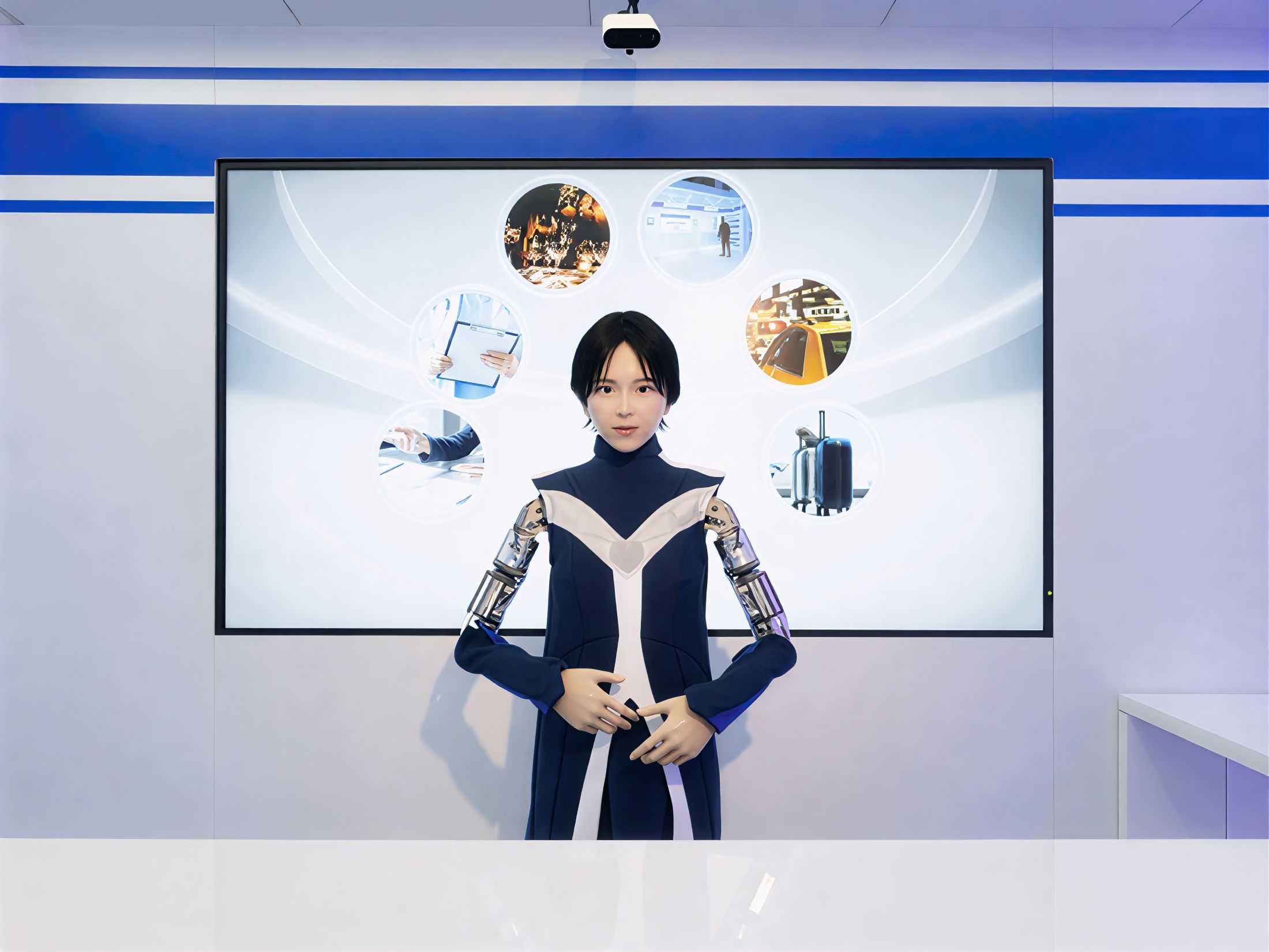
Utilizing physical AI technology can significantly enhance ROI in frontline customer service by combining digital intelligence with human-like physical interaction. As businesses face challenges in finding qualified labor, the automation of routine tasks is no longer sufficient. A recent collaboration between KDDI and AVITA showcases how companies can bridge operational gaps through the deployment of humanoid robots.
While traditional industrial robots excel at repetitive tasks, they lack the adaptability needed to handle unexpected situations like equipment malfunctions. Customer-facing roles require nonverbal communication skills such as synchronized nods, natural eye contact, and reassuring facial expressions.
By combining AVITA’s expertise in creating avatars with KDDI’s communication infrastructure, both organizations are developing domestically produced humanoids capable of operating effectively in real-world business settings.
Integrating Hardware with Advanced Data Infrastructure
Deploying humanoids in active commercial environments necessitates a robust network infrastructure for real-time transmission of visual data and control commands. KDDI provides the necessary operational support for remote control functionality and cloud-based data processing. The data collected during customer interactions is fed back into the system to enhance the AI’s accuracy and autonomy.
To meet the computational demands of physical AI adoption, the companies plan to utilize GPUs at the Osaka Sakai Data Center and explore integration with Google’s Gemini high-performance AI model. This alignment with major enterprise platforms ensures secure data processing and the ability to handle complex dialogue requirements.
The humanoid design departs from traditional utilitarian machinery, featuring a compact skeletal structure inspired by a typical Japanese physique.
The humanoid’s silicone skin and specialized mechanical systems enable friendly facial expressions that synchronize with spoken dialogue. Camera sensors track moving objects to establish natural eye contact, while quiet pneumatic systems allow for smooth and continuous movements with subtle variations. This design addresses the challenges of deploying automation in hospitality-related operations that require reassurance.
Preparing for the Commercial Adoption of Physical AI
This initiative builds on previous projects by KDDI and AVITA, which introduced a remote customer service platform using digital avatars for assistance at retail locations.
Transitioning from digital communication to physical humanoids capable of movement represents a logical progression for enterprises looking to enhance their customer service capabilities. Trials of the humanoids in commercial facilities are set to commence in Autumn 2026, with potential deployment at customer touchpoints.
Integrating physical AI requires environments that can support continuous data streams without latency interruptions. As visual and motion data become crucial for machine learning, governance frameworks must adapt to manage customer data usage in physical spaces.
Organizations dealing with workforce challenges should assess current bottlenecks to determine where empathetic engagement is essential. Establishing high-speed network foundations and piloting digital AI avatar programs can prepare enterprises for the adoption of physical humanoids as the technology evolves.
Discover more about AI and big data from industry experts: Explore the AI & Big Data Expo happening in Amsterdam, California, and London as part of TechEx. This event, co-located with the Cyber Security & Cloud Expo, provides comprehensive insights into the latest industry trends.
AI News is presented by TechForge Media. Explore upcoming enterprise technology events and webinars here.













Oneplus 5T vs Pixel 2 XL vs S8 vs iPhone 8 Battery Charging Speed Test!

The Affordable Next-Gen Xbox: Debunking the $1,800 Price Tag

Revelation: A New Dawn in the Helldivers Universe

Battery Life Halved by Garmin’s New Voice Controls

Revolutionizing Energy: The Future of Next-Gen Battery Life

Warhound Secures $200M Investment to Develop Advanced Military Canines Equipped with Anduril Technology

No, the iPhone Duo isn’t a miniature device

Rebirth of Resilience: The Evolution of Crisis Management in the Digital Age

Australian Court Rules Against Apple’s App Store Monopoly

EU Takes Action Against Instagram and Facebook for Violating Illegal Content Rules

Warning: Facebook Creators Face Monetization Loss for Stealing and Reposting Videos

Facebook’s New Look: A Blend of Instagram’s Style

Facebook Compliance: ICE-tracking Page Removed After US Government Intervention

Facebook and Instagram to Reduce Personalized Ads for European Users

InstaDub: Meta’s AI Translation Tool for Instagram Videos

Reclaim Your Account: Facebook and Instagram Launch New Hub for Account Recovery

Meta discontinues Messenger apps for Windows and macOS

Breaking Updates: Meta Connect 2025 Unveils Latest Developments
Oneplus 5T vs Pixel 2 XL vs S8 vs iPhone 8 Battery Charging Speed Test!

MY NEW CAR?! (Q&A)

Should you buy your Smartphones Refurbished!?

6 Amazing SECRET Android Launchers (2017 / 2018)

6 Value for Money Tech Products you NEED to try!

iPhone X Helicopter 1200ft Drop Test!! + Mous Case Review

7 UNBELIEVABLE Smartphone Magic Tricks!

Oneplus 5T vs Oneplus 1 – 3 Years Later.

Top 20 BEST Smartphones of 2017!
-
 Facebook12 months ago
EU Takes Action Against Instagram and Facebook for Violating Illegal Content Rules
-
 Facebook1 year ago
Warning: Facebook Creators Face Monetization Loss for Stealing and Reposting Videos
-
 Facebook11 months ago
Facebook’s New Look: A Blend of Instagram’s Style
-
 Facebook1 year ago
Facebook Compliance: ICE-tracking Page Removed After US Government Intervention
-
 Facebook11 months ago
Facebook and Instagram to Reduce Personalized Ads for European Users
-
 Facebook1 year ago
InstaDub: Meta’s AI Translation Tool for Instagram Videos
-
 Facebook11 months ago
Reclaim Your Account: Facebook and Instagram Launch New Hub for Account Recovery
-
 Apple1 year ago
Meta discontinues Messenger apps for Windows and macOS
