
Cars
Exploring the Future of BMW Performance Cars: The Decision to Rule Out Hydrogen Technology

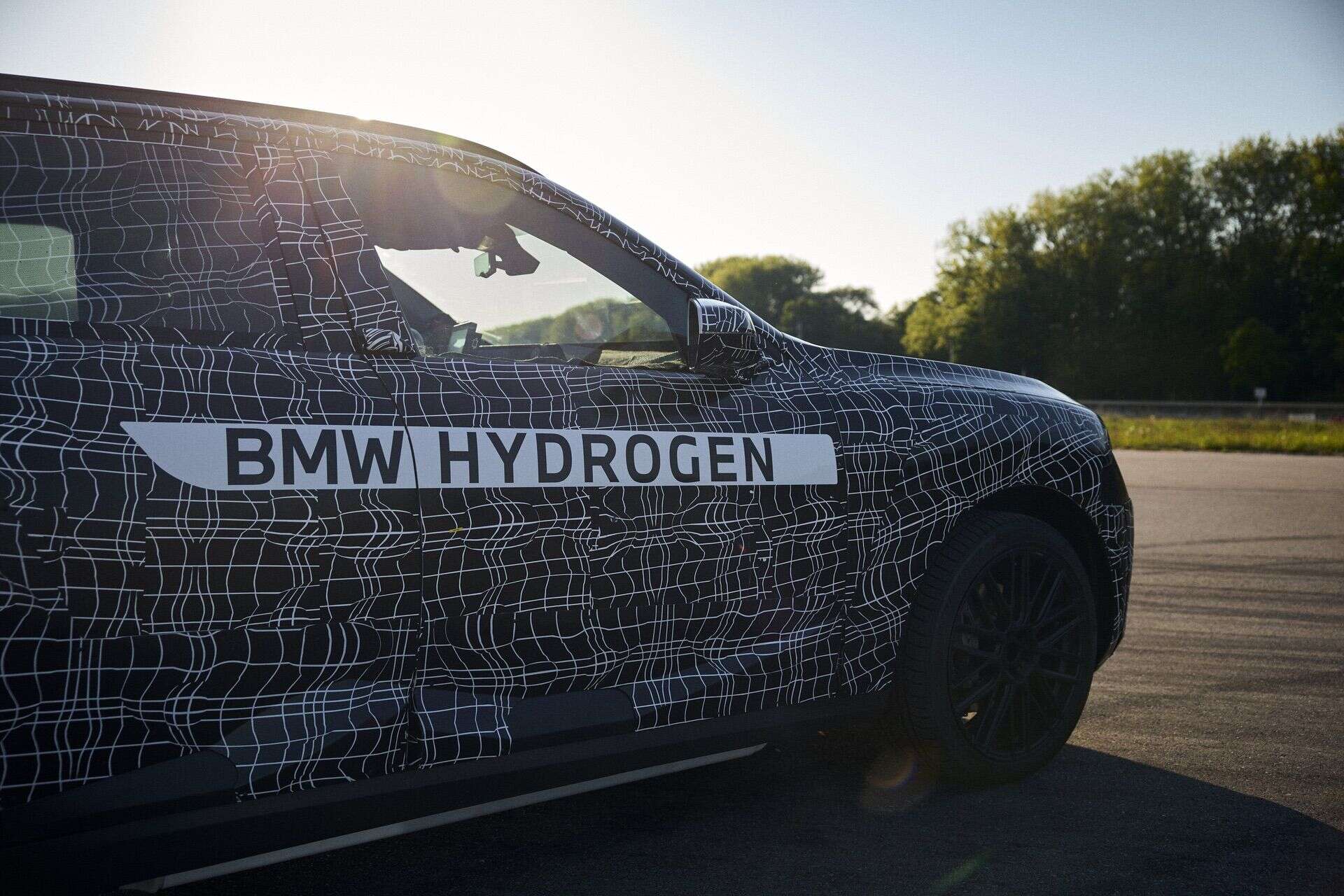
The Future of Hydrogen Fuel-Cell Technology at BMW
BMW remains one of the few traditional automakers that are deeply invested in the development of hydrogen fuel-cell technology. However, those hoping to see this technology in a high-performance M-badged car may need to adjust their expectations. According to Frank van Meel, the head of BMW M, while hydrogen fuel cells are not entirely ruled out, the current engineering challenges make it a distant possibility at best.
The Challenge of Packaging
The main obstacle lies in the physics and packaging requirements. A high-performance hydrogen fuel-cell system necessitates multiple stacks working together, each requiring its own thermal management system. When aiming for M-car power levels, the space and weight constraints become significant. Van Meel bluntly described the outcome as a vehicle the size of a truck, a challenge that BMW M has yet to overcome.
This challenge extends to motorsport as well. While BMW M has considered the use of hydrogen in endurance racing, finding a viable solution has proven elusive. While burning hydrogen directly in a combustion engine, as Toyota has explored in racing, would simplify the engineering, BMW’s focus on fuel cells and zero emissions limits this approach. Achieving zero tailpipe emissions with only water vapor as a byproduct presents a higher technical hurdle, especially in a racing environment where factors such as refueling time, weight distribution, and packaging are crucial.
Progress in Road Car Development
Despite these challenges, BMW’s commitment to hydrogen fuel-cell technology at the road car level remains unwavering. In September 2025, BMW announced that the hydrogen-powered iX5, expected to be named the iX5 60H xDrive, will enter mass production in 2028. This move makes BMW the first premium global automaker to bring a fuel-cell passenger car to the market at scale. Years of real-world testing, including a global pilot fleet since 2023, have paved the way for this milestone.
The production iX5 Hydrogen will utilize a third-generation fuel-cell system developed in partnership with Toyota, offering improved compactness, power, and efficiency compared to the previous generation. These enhancements make it suitable for a production SUV, although the packaging challenges for a sports car remain unresolved.
Local Production and Strategic Vision
The fuel-cell stacks for the iX5 Hydrogen will be manufactured at BMW’s Steyr plant in Austria, with key components produced at the Landshut facility in Germany. Positioned as one of five powertrain options in the next-generation X5 lineup, the iX5 Hydrogen underscores BMW’s strategic belief in the future of hydrogen technology, especially in regions with limited charging infrastructure.
While most competitors have shifted focus away from hydrogen, BMW’s steadfast commitment reflects a strategic conviction that the technology holds promise. However, for BMW M, the immediate focus remains on combustion performance, plug-in hybrids, and battery-electric models. The potential integration of fuel-cell technology into an M product hinges on advancements in miniaturization and thermal management that are currently lacking. While the door to hydrogen technology remains open at BMW M, significant progress is needed before it becomes a reality.










Tesla’s Cybertruck Launch Down Under: A Canceled Debut and Deposit Refunds

Microsoft’s Breakthrough in Medical Superintelligence: The Diagnostic Orchestrator Revolution

Virtue and a Sledgehammer: The Cathartic Prelude

EdTech Intuitivo secures €1.35 million funding to streamline teachers’ tasks and enter Brazilian market

Score a Deal on Apple’s Magic Keyboards for iPad – but There’s a Catch

Unfolding Innovation: Coolpad’s $150 Android Phone with iPhone Duo-like Widescreen Display

iPhone Duo Production Surges by 44% to Meet High Demand

Pushing the Limits: Customizing Our Ultimate 2027 BMW 3 Series

AMD’s FSR 4.1 Enhancements Coming to Xbox Consoles and Handhelds

EU Takes Action Against Instagram and Facebook for Violating Illegal Content Rules

Warning: Facebook Creators Face Monetization Loss for Stealing and Reposting Videos

Facebook’s New Look: A Blend of Instagram’s Style

Facebook Compliance: ICE-tracking Page Removed After US Government Intervention

Facebook and Instagram to Reduce Personalized Ads for European Users

InstaDub: Meta’s AI Translation Tool for Instagram Videos

Reclaim Your Account: Facebook and Instagram Launch New Hub for Account Recovery

Meta discontinues Messenger apps for Windows and macOS

Breaking Updates: Meta Connect 2025 Unveils Latest Developments

Should you buy your Smartphones Refurbished!?

6 Amazing SECRET Android Launchers (2017 / 2018)

6 Value for Money Tech Products you NEED to try!

iPhone X Helicopter 1200ft Drop Test!! + Mous Case Review

7 UNBELIEVABLE Smartphone Magic Tricks!

Oneplus 5T vs Oneplus 1 – 3 Years Later.

Top 20 BEST Smartphones of 2017!

5 Amazing Upcoming Smartphone Features – 2018 / 2019

ULTIMATE Power Banks / The Best Power Banks (2017-2018)
-
 Facebook12 months ago
EU Takes Action Against Instagram and Facebook for Violating Illegal Content Rules
-
 Facebook1 year ago
Warning: Facebook Creators Face Monetization Loss for Stealing and Reposting Videos
-
 Facebook11 months ago
Facebook’s New Look: A Blend of Instagram’s Style
-
 Facebook1 year ago
Facebook Compliance: ICE-tracking Page Removed After US Government Intervention
-
 Facebook11 months ago
Facebook and Instagram to Reduce Personalized Ads for European Users
-
 Facebook1 year ago
InstaDub: Meta’s AI Translation Tool for Instagram Videos
-
 Facebook11 months ago
Reclaim Your Account: Facebook and Instagram Launch New Hub for Account Recovery
-
 Apple1 year ago
Meta discontinues Messenger apps for Windows and macOS
