
Inovation
Boise State’s RAVEN Center: Pioneering Extreme-Environment Microelectronics

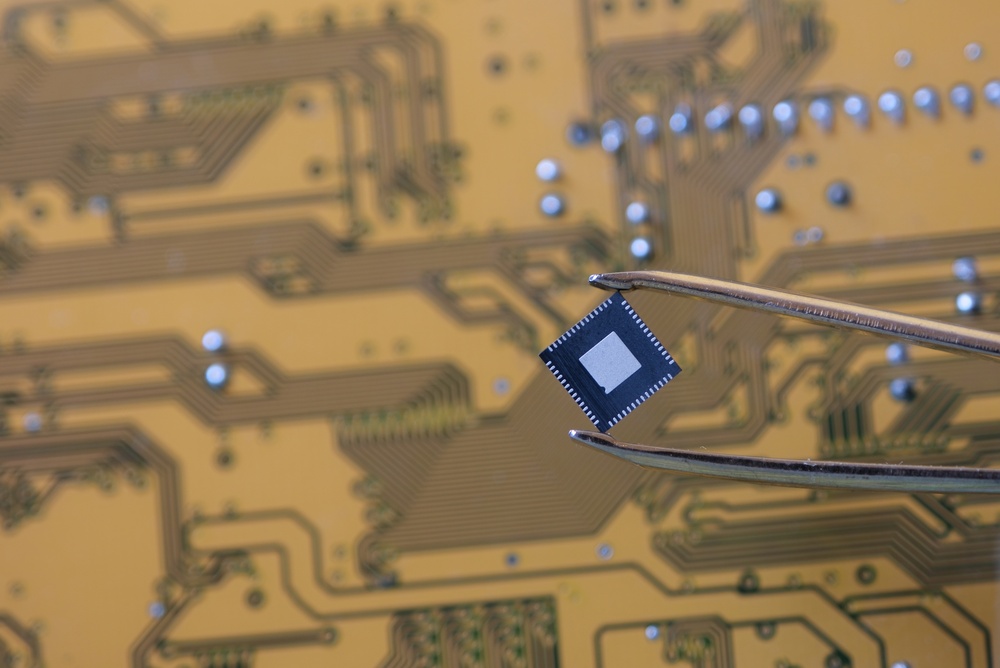
Boise State Secures $2.7 Million Award to Establish RAVEN Center
Boise State University has been awarded $2.7 million through NextFlex, the U.S. Department of Defense’s flexible hybrid electronics manufacturing institute, to launch the Center for Reconfigurable Analog van der Waals Engines for Non-von-Neumann Sensing (RAVEN).
Beginning in October 2026, the 15-month project is a collaboration with the Air Force Research Laboratory.
RAVEN aims to develop the necessary personnel, governance, and instrumentation to advance two-dimensional materials for use in extreme environments, such as the heat, radiation, vibration, and particulate exposure faced by Air Force sensors in the field.
Addressing a Critical Challenge
The RAVEN Center’s primary focus is on tackling the issue of advanced sensors on unmanned aircraft generating more data than can be efficiently processed or transmitted by the platform’s computing hardware. By leveraging two-dimensional quantum materials, RAVEN aims to create sensors that can perform computations at the point of data collection, reducing power consumption and reliance on potentially unreliable data links.
The award builds upon Boise State’s existing capabilities, including the AIXTRON close-coupled showerhead 2D metalorganic chemical vapor deposition reactor, acquired with previous NextFlex and AFRL support. RAVEN will enhance the reactor’s capabilities with advanced optical metrology, material inks for direct-write printing of sensors, and a mobile testbed for field deployment.
David Estrada, professor of materials science and engineering at Boise State and director of the RAVEN Center, highlighted the significance of establishing this center for advancing research relevant to the Department of Defense.
“Collaborating with Boise State on RAVEN is a crucial step in advancing microelectronics for extreme environments and aligning with key Department of Defense priorities,” said Dan Gamota, executive director of NextFlex.
The award establishes RAVEN as a shared user facility, providing access to researchers from other institutions and industry.
Empowering the Future Workforce
The RAVEN program includes opportunities for undergraduate and graduate students to participate in equipment installation and process development, offering valuable hands-on experience in defense microelectronics. Recruitment efforts will target students from various programs to build a skilled workforce for the future.
Emily Heckman, principal research engineer at the Air Force Research Laboratory, emphasized the importance of advancing sensing systems for challenging environments and commended AFRL’s support for the RAVEN program.
The RAVEN leadership team, with extensive experience in advanced materials and microelectronics research, has managed over $20 million in federal programs at Boise State.













RuneScape Reimagined: The Controversial Rejig Rejected

Boise State’s RAVEN Center: Pioneering Extreme-Environment Microelectronics

Influencer Army: The Key to Cal AI’s Viral Triumph

Tech Giants Donate $92 Million to Trump for Ballroom Renovation

Tech Unplugged: The Movie

Revamping HomeView: Bringing CarPlay’s Best Apps to Your Home

The Maze Alpha X is HERE!

Mercedes CEO Teases Early Arrival of Baby G-Class

Defending Integrity: Microsoft’s Brad Smith Responds to Accusations from VP JD Vance on Visa Fraud

EU Takes Action Against Instagram and Facebook for Violating Illegal Content Rules

Warning: Facebook Creators Face Monetization Loss for Stealing and Reposting Videos

Facebook’s New Look: A Blend of Instagram’s Style

Facebook Compliance: ICE-tracking Page Removed After US Government Intervention

Facebook and Instagram to Reduce Personalized Ads for European Users

InstaDub: Meta’s AI Translation Tool for Instagram Videos

Reclaim Your Account: Facebook and Instagram Launch New Hub for Account Recovery

Meta discontinues Messenger apps for Windows and macOS

Breaking Updates: Meta Connect 2025 Unveils Latest Developments
The Maze Alpha X is HERE!

Cool Tech under $100 – December!

MYSTERY UNBOXING FROM GOOGLE!

TOP 6 Smartphones from Companies you NEVER Expected!

A Surprise Smartphone from EE!

DOOGEE MIX 2 VS DOOGEE MIX 1!

INCREDIBLE Smartphone Gadgets on Amazon!

10 Android Apps you NEED to try in 2017 / 2018

The Most Bizarre Smartphone we’ve seen all year.
-
 Facebook12 months ago
EU Takes Action Against Instagram and Facebook for Violating Illegal Content Rules
-
 Facebook1 year ago
Warning: Facebook Creators Face Monetization Loss for Stealing and Reposting Videos
-
 Facebook10 months ago
Facebook’s New Look: A Blend of Instagram’s Style
-
 Facebook1 year ago
Facebook Compliance: ICE-tracking Page Removed After US Government Intervention
-
 Facebook10 months ago
Facebook and Instagram to Reduce Personalized Ads for European Users
-
 Facebook1 year ago
InstaDub: Meta’s AI Translation Tool for Instagram Videos
-
 Facebook10 months ago
Reclaim Your Account: Facebook and Instagram Launch New Hub for Account Recovery
-
 Apple12 months ago
Meta discontinues Messenger apps for Windows and macOS
