
Gadgets
Exploring the Benefits of SwitchBot AI Hub: A Comprehensive Review

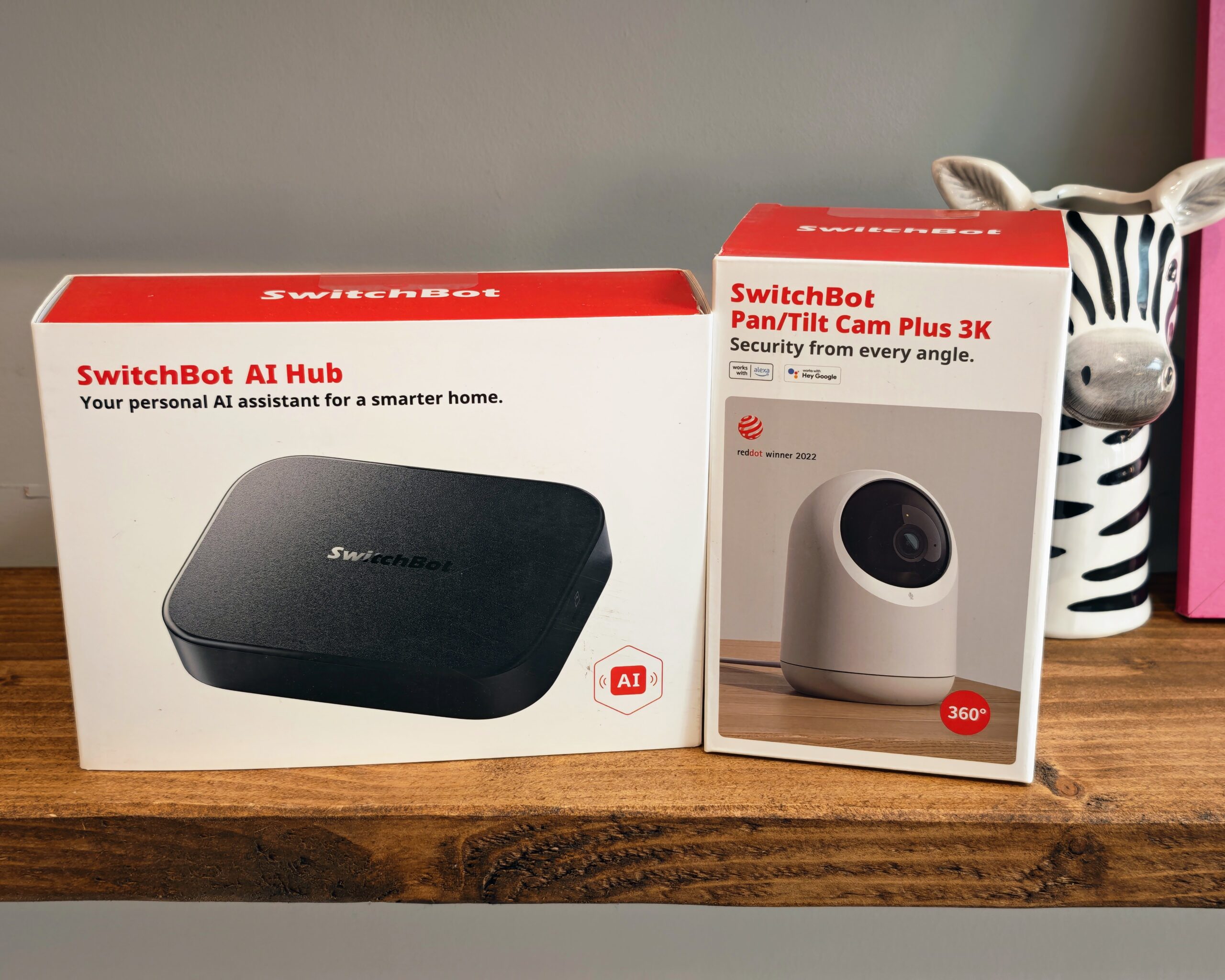
SwitchBot recently unveiled its AI Hub, and I initially underestimated its capabilities, assuming it was just another smart home hub with AI features as a marketing gimmick. However, after receiving a unit for review, I discovered that it offers much more than the typical hub. In addition to being a proprietary smart home hub, this compact device also supports Home Assistant and Frigate, as well as third-party RTSP-enabled cameras. This unique feature bridges the gap between proprietary devices and self-hosted solutions, making it stand out in the market.
Specifications and Features
The SwitchBot AI Hub is powered by a local AI chip rated at 6 TOPS (Trillions of Operations Per Second), designed to run a Vision Language Model (VLM) directly on the device. This sets it apart from traditional smart home hubs as it performs object detection and analysis on the device itself, rather than relying solely on cloud processing.
The core specifications of the SwitchBot AI Hub are as follows:
- Dimensions: 126 x 94 x 26 mm
- Weight: 235 g
- Internal storage: 32 GB
- RAM: 8 GB
- Storage expansion: microSD up to 1 TB, USB storage or HDD up to 16 TB
- Connections: 1x USB-C 3.0, 1x USB-C 2.0, 1x microSD slot, DC barrel jack
- Network: Wi-Fi 2.4 GHz and 5 GHz, Bluetooth Low Energy
- Camera support: Up to 8 cameras (SwitchBot and RTSP third-party)
- Smart home: Matter bridge for up to 30 devices, control of over 100 SwitchBot devices
- Software: Frigate NVR, Home Assistant Core (containerized), OpenClaw support
- Power: 12 V / 1.5 A barrel jack power supply (included)
The hub runs three containers internally: Home Assistant, OpenClaw, and Frigate NVR. The 8 GB of RAM and 32 GB of internal storage provide a solid foundation, though the included 16 GB microSD card may fill up quickly with multiple camera feeds being recorded.
One practical hardware feature is the USB-C 3.0 port, which can accept an external SSD for expanded storage up to 16 TB. Alternatively, this port can be used with a USB-C to Ethernet adapter for a wired network connection, supporting up to 2.5 Gigabit Ethernet speeds. This is beneficial for stable connections, especially for NVR duties.
Design
The SwitchBot AI Hub has a compact and understated design with a matt black plastic top and a metal plate underside, likely aluminum, for passive heat dissipation. Despite running multiple containers and AI processing tasks, the device remains cool during operation, with no fans or ventilation slots needed. Measuring only 26 mm tall and weighing 235 g, it can be discreetly placed behind a monitor or on a shelf without drawing attention. Two rubber feet on the underside ensure stability on flat surfaces. The rear features a DC barrel jack for power, a reset button, and two USB-C ports. The slightly recessed microSD card slot on the side allows for easy card insertion and removal, providing a flush fit once installed.
Overall, the design of the SwitchBot AI Hub is functional rather than flashy, considering that it will likely be concealed in a cabinet or behind other equipment. The compact form factor ensures it occupies minimal space wherever it is placed.
Set Up

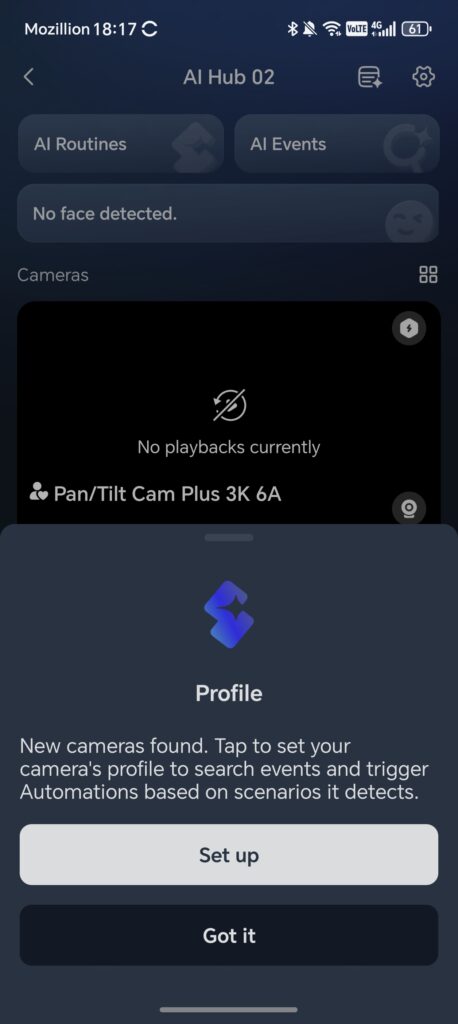
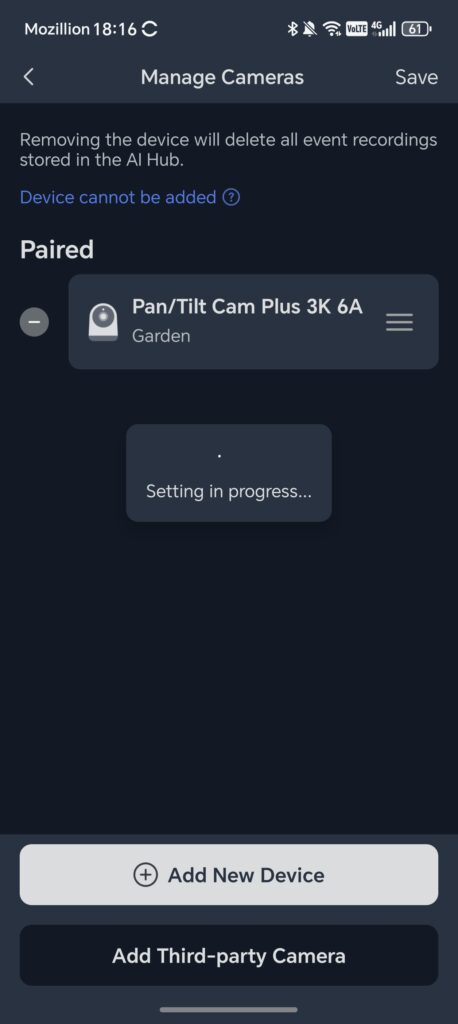












Building the Future: The Evolution of Europe’s First Digital Experimentation Infrastructure

Titan Quest II: Rise of the Gods – Official Launch in January 2027

Ultimate Guide to Googlebook: Everything You Need to Know about Price, Release Date, Key Specs & Features

Apple’s Latest Challenge: A Fitbit Air and Whoop Rival in the Works

The Importance of Understanding Your Business’s Value Before Making a Big Financial Move

Google’s Groundbreaking AI Satellite Launching into Space Next Week

Unlocking AI Potential: Solving the GPU Shortage in Your Infrastructure

The Downfall of OpenAI’s Siri ChatGPT Extension on iPhone

Samsung Galaxy S9 Plus vs iPhone X

EU Takes Action Against Instagram and Facebook for Violating Illegal Content Rules

Warning: Facebook Creators Face Monetization Loss for Stealing and Reposting Videos

Facebook’s New Look: A Blend of Instagram’s Style

Facebook Compliance: ICE-tracking Page Removed After US Government Intervention

Facebook and Instagram to Reduce Personalized Ads for European Users

InstaDub: Meta’s AI Translation Tool for Instagram Videos

Reclaim Your Account: Facebook and Instagram Launch New Hub for Account Recovery

Meta discontinues Messenger apps for Windows and macOS

Breaking Updates: Meta Connect 2025 Unveils Latest Developments
Samsung Galaxy S9 Plus vs iPhone X

The BEST $300 Phone (2018) ft. MKBHD, Technical Guruji, iJustine + More

Samsung Galaxy S9 Plus Gaming Review! (vs OnePlus 5T)

THE BEST PHONE HTC EVER MADE?

The Truth about Google?

Samsung S9/ S9+ vs iPhone X vs Galaxy Note 8 Battery Life DRAIN TEST

Samsung S9 / S9+ vs Mate 10 Pro vs iPhone X Charging SPEED Test

The BEST APPS in 2018 – ft. MKBHD, UrAvgConsumer, iJustine + More

The ULTIMATE Smartphone Unboxing!!
-
 Facebook11 months ago
EU Takes Action Against Instagram and Facebook for Violating Illegal Content Rules
-
 Facebook12 months ago
Warning: Facebook Creators Face Monetization Loss for Stealing and Reposting Videos
-
 Facebook10 months ago
Facebook’s New Look: A Blend of Instagram’s Style
-
 Facebook12 months ago
Facebook Compliance: ICE-tracking Page Removed After US Government Intervention
-
 Facebook10 months ago
Facebook and Instagram to Reduce Personalized Ads for European Users
-
 Facebook12 months ago
InstaDub: Meta’s AI Translation Tool for Instagram Videos
-
 Facebook10 months ago
Reclaim Your Account: Facebook and Instagram Launch New Hub for Account Recovery
-
 Apple11 months ago
Meta discontinues Messenger apps for Windows and macOS
