This is Niche Gamer Tech. Here, we regularly cover tech and topics related to the tech industry. Feel free to share your feedback and suggest tech stories you’d like us to explore!

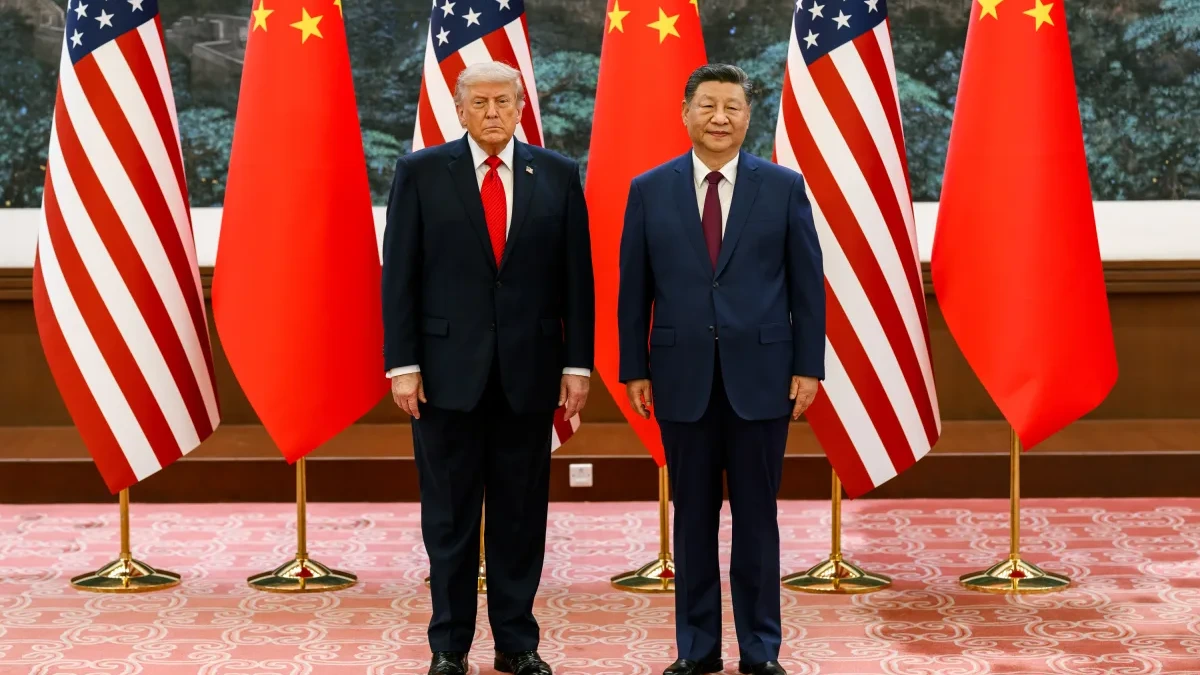
Recent reports suggest that the Trump administration is working with certain senators to advance a set of bills aimed at diminishing Americans’ online privacy rights.
The administration is urging lawmakers to reconsider several bills that have faced obstacles, with the goal of pushing them through the Senate. While these bills have previously garnered bipartisan support, concerns from the public have caused hesitation within the government, a challenge that the current administration is seeking to address through negotiations.
Key concerns for online privacy advocates include the Kids Online Safety Act, the NO FAKES Act, and various age-verification requirements.
The Kids Online Safety Act, despite its name suggesting child protection, could potentially restrict free speech on social media platforms. The consequences of this act may compromise the rights and privacy of American citizens, as well as impact internet users globally depending on platforms’ compliance with the law.
The NO FAKES Act, while well-intentioned, has raised concerns about potential overreach. Existing laws already address issues like defamation and “revenge porn,” but critics fear that this act could impede protected speech such as parody and satire.
Additionally, the administration is advocating for the inclusion of age-verification mandates, a responsibility currently delegated to individual states. The implementation of these mandates has posed challenges for internet users seeking anonymity.
Many users are hesitant to provide personal information, such as a driver’s license, to NSFW sites for verification purposes. While tools like VPNs can bypass these restrictions, the move towards stricter verifications raises concerns among privacy-conscious individuals.

As part of the deal, the administration aims to limit states’ authority to regulate AI data centers, setting a precedent through federal law. Currently, states have the autonomy to dictate the construction and operation of data centers within their jurisdictions.
Critics of data centers highlight concerns about environmental impact, including water usage and noise pollution as these facilities expand into suburban and rural areas.
On the other hand, proponents argue that statewide restrictions put states at an economic disadvantage and hinder the nation’s progress and innovation in the technology sector.
It’s important to note that censorship in online discourse is not strictly a partisan issue. Legislators from both parties have attempted to enforce censorship when it aligns with their political agendas.
This is Niche Gamer Tech. Here, we regularly cover tech and topics related to the tech industry. Feel free to share your feedback and suggest tech stories you’d like us to explore!



EU Takes Action Against Instagram and Facebook for Violating Illegal Content Rules

Warning: Facebook Creators Face Monetization Loss for Stealing and Reposting Videos

Facebook’s New Look: A Blend of Instagram’s Style

Facebook Compliance: ICE-tracking Page Removed After US Government Intervention

Facebook and Instagram to Reduce Personalized Ads for European Users

InstaDub: Meta’s AI Translation Tool for Instagram Videos

Reclaim Your Account: Facebook and Instagram Launch New Hub for Account Recovery

Meta discontinues Messenger apps for Windows and macOS
Subscribe to our weekly newsletter below and never miss the latest News or an exclusive offer.