
AI
China’s AI Revolution: Harnessing the Power of Memory Over Compute

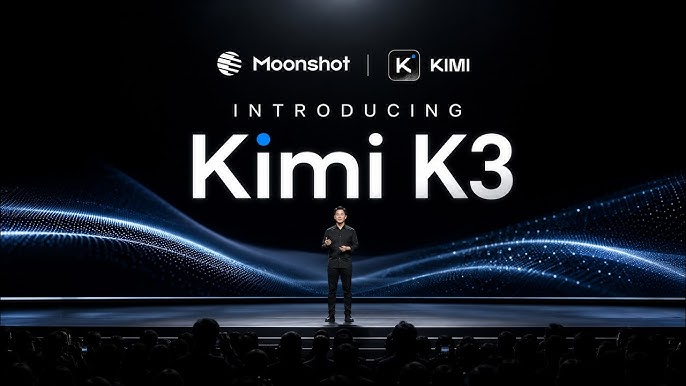
Moonshot AI’s Kimi K3 open-weight model has garnered significant attention since its launch on July 16, primarily due to its massive parameter count of 2.8 trillion, making it the largest open-weight model released to date. This places it in the 3T class, a category previously unexplored by openly available models.
The key highlight of the Kimi K3 model is its unique approach to handling US compute restrictions. Rather than completely circumventing these limitations, Moonshot has strategically repositioned them by prioritizing memory over compute at various levels of the model’s design.
One of the innovative techniques employed is the use of mixture-of-experts, where the model is divided into 896 specialized sections, with only 16 active at a time, significantly reducing the computational load per word. However, despite this optimization, all 2.8 trillion parameters must remain loaded and accessible at all times, maintaining the memory requirement.
To further optimize memory usage, K3 has been trained to operate at four bits of precision per parameter rather than the standard sixteen, resulting in substantial savings in memory consumption. Additionally, the introduction of Kimi Delta Attention addresses the memory costs associated with processing long documents, ensuring efficient memory management.
Moonshot’s strategic approach extends to hardware compatibility, aiming for broad support by implementing quantization-aware training and caching mechanisms. This enables K3 to run efficiently across multiple accelerators wired together to function as a unified pool, similar to Huawei’s CloudMatrix systems.
While Moonshot’s technical advancements are commendable, the deployment of the K3 model poses challenges for enterprises, particularly in terms of hardware requirements and software compatibility. The model’s significant size necessitates substantial memory and computational resources, making it more suitable for data centers than standard server rooms.
Furthermore, Moonshot’s pricing structure for K3 reflects its premium positioning in the market, with costs varying based on input and output tokens. Despite the model’s impressive performance metrics, there are acknowledged limitations in certain scenarios, emphasizing the importance of realistic expectations.
As the industry awaits the public release of K3’s weights on July 27, the significance of open-weight models in driving AI advancements is underscored. The evolving landscape of AI models, coupled with increasing demand for data sovereignty and regional language coverage, presents both opportunities and challenges for enterprises looking to leverage such technologies.
In conclusion, Moonshot’s Kimi K3 model represents a significant milestone in AI development, showcasing how innovative architectural design can overcome compute constraints and deliver tangible performance gains. As the industry continues to evolve, the adoption and deployment of open-weight models like K3 will play a crucial role in shaping the future of AI applications.













The Affordable Next-Gen Xbox: Debunking the $1,800 Price Tag

Revelation: A New Dawn in the Helldivers Universe

Battery Life Halved by Garmin’s New Voice Controls

Revolutionizing Energy: The Future of Next-Gen Battery Life

Warhound Secures $200M Investment to Develop Advanced Military Canines Equipped with Anduril Technology

No, the iPhone Duo isn’t a miniature device

Rebirth of Resilience: The Evolution of Crisis Management in the Digital Age

Australian Court Rules Against Apple’s App Store Monopoly

MY NEW CAR?! (Q&A)

EU Takes Action Against Instagram and Facebook for Violating Illegal Content Rules

Warning: Facebook Creators Face Monetization Loss for Stealing and Reposting Videos

Facebook’s New Look: A Blend of Instagram’s Style

Facebook Compliance: ICE-tracking Page Removed After US Government Intervention

Facebook and Instagram to Reduce Personalized Ads for European Users

InstaDub: Meta’s AI Translation Tool for Instagram Videos

Reclaim Your Account: Facebook and Instagram Launch New Hub for Account Recovery

Meta discontinues Messenger apps for Windows and macOS

Breaking Updates: Meta Connect 2025 Unveils Latest Developments
MY NEW CAR?! (Q&A)

Should you buy your Smartphones Refurbished!?

6 Amazing SECRET Android Launchers (2017 / 2018)

6 Value for Money Tech Products you NEED to try!

iPhone X Helicopter 1200ft Drop Test!! + Mous Case Review

7 UNBELIEVABLE Smartphone Magic Tricks!

Oneplus 5T vs Oneplus 1 – 3 Years Later.

Top 20 BEST Smartphones of 2017!

5 Amazing Upcoming Smartphone Features – 2018 / 2019
-
 Facebook12 months ago
EU Takes Action Against Instagram and Facebook for Violating Illegal Content Rules
-
 Facebook1 year ago
Warning: Facebook Creators Face Monetization Loss for Stealing and Reposting Videos
-
 Facebook11 months ago
Facebook’s New Look: A Blend of Instagram’s Style
-
 Facebook1 year ago
Facebook Compliance: ICE-tracking Page Removed After US Government Intervention
-
 Facebook11 months ago
Facebook and Instagram to Reduce Personalized Ads for European Users
-
 Facebook1 year ago
InstaDub: Meta’s AI Translation Tool for Instagram Videos
-
 Facebook11 months ago
Reclaim Your Account: Facebook and Instagram Launch New Hub for Account Recovery
-
 Apple1 year ago
Meta discontinues Messenger apps for Windows and macOS
