The Functioning of HollowGraph
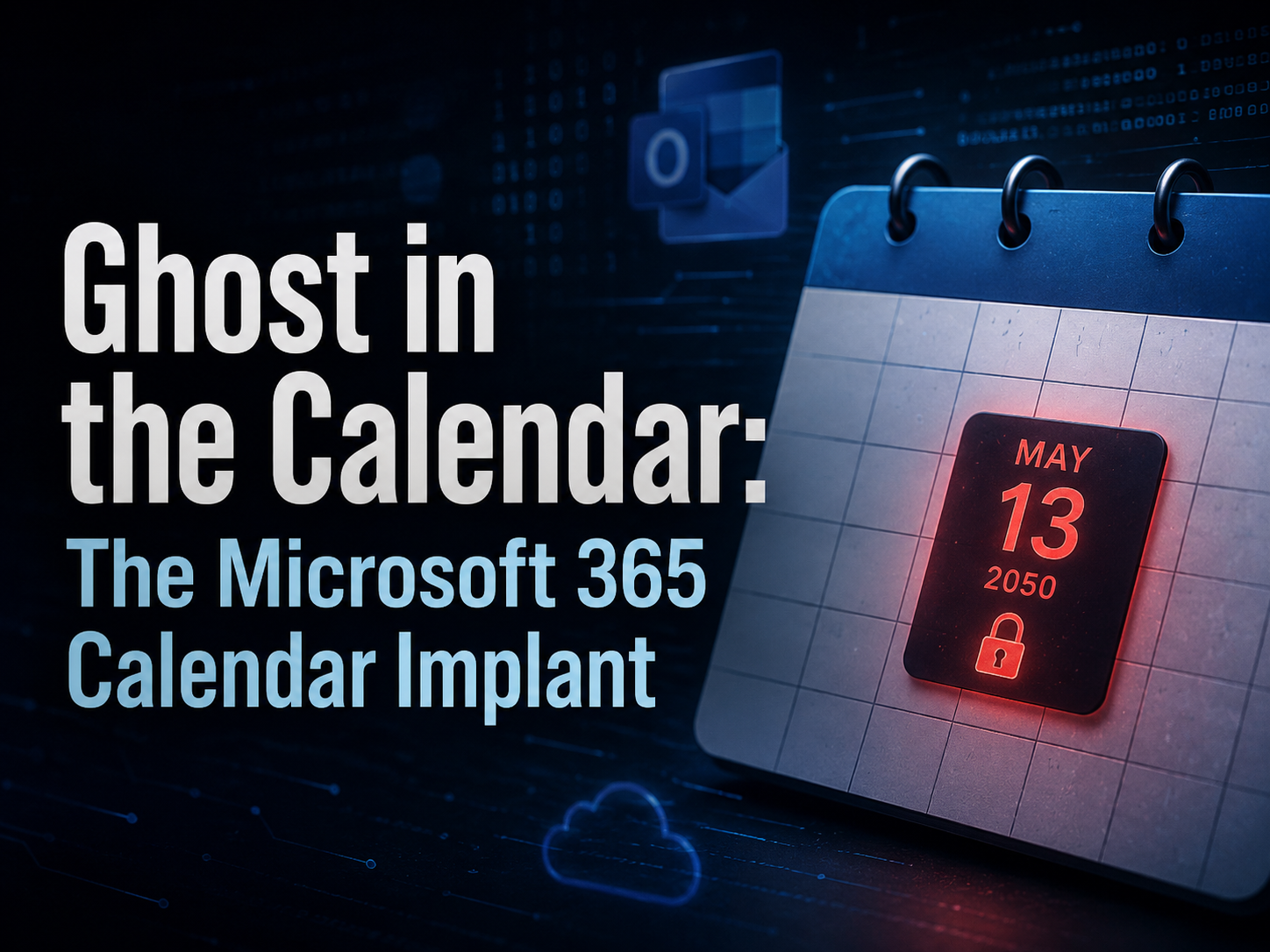
Group-IB security researchers recently unveiled HollowGraph, an implant that transforms a compromised Microsoft 365 calendar into a covert communication channel. This malicious software utilizes Microsoft’s Graph API to communicate with attackers, blending in with legitimate cloud activities to avoid detection. HollowGraph decrypts instructions hidden within file attachments linked to calendar events created by hackers post-Microsoft 365 account breach. It then executes these commands by generating its own calendar appointments with encrypted attachments to exfiltrate stolen data. The implant schedules all malicious events for May 13, 2050, beyond typical calendar views, reducing the chances of detection and remaining concealed from the mailbox owner.
Targets and Perpetrators
During an investigation into a cyberespionage campaign targeting compromised Microsoft 365 systems, Group-IB discovered HollowGraph. The architecture of this implant resembles tactics commonly employed in advanced persistent threat (APT) operations, prioritizing stealth, persistence, and information gathering over immediate financial gain. Though not publicly attributed to any specific threat actor, HollowGraph evades conventional security measures focused on detecting suspicious external network connections by leveraging Microsoft’s Graph API instead of attacker-controlled infrastructure. Vigilance is crucial in Microsoft 365 environments to spot unusual Graph API activity, unexpected calendar events, and signs of account compromise, given the emergence of a trend where threat actors exploit trusted cloud services to mask malicious behavior.
Author’s Insights
Visit the Group-IB Threat Intelligence Research Blog for more information.
 Carmen Estela, a Cybersecurity Research Analyst at Cyber Defense Magazine and a Women in Cybersecurity Award Candidate, recently completed her Master’s degree in Science from the University of Central Florida. She holds a Bachelor’s degree in Criminology from the University of Florida with certifications in Data Analytics and AI Fundamentals. Carmen actively participates in industry events like BSides Orlando and BSides Jax, sharing insights on emerging cyber trends. Committed to enhancing governance, risk, and compliance standards in cybersecurity, Carmen’s investigative skills span law enforcement, academia, and public service settings, having previously served as an adult protective investigator, police dispatcher, and legal intern.
Contact Carmen via email at [email protected]