
Inovation
Navigating the Intersection of Data, Computation, and Collaboration: A Deep Dive into STFC Scientific Computing

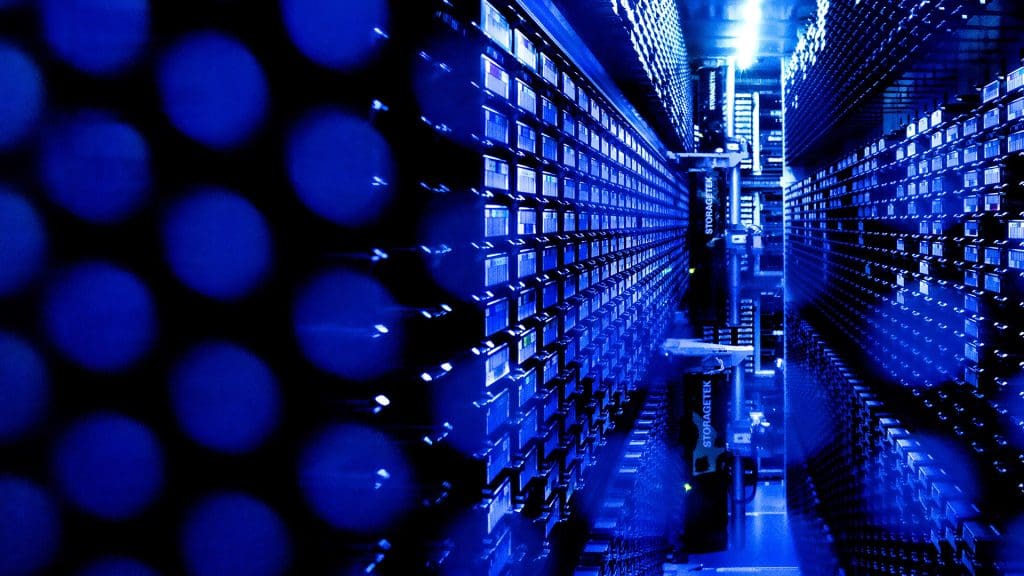
Exploring the Groundbreaking Work of STFC Scientific Computing
Dr. Peter Oliver, the Director of STFC Scientific Computing, sheds light on the pioneering initiatives undertaken by the international center of excellence in advanced computing expertise and digital research infrastructure.
For over five decades, the Science and Technology Facilities Council (STFC) Scientific Computing center has been instrumental in fostering research collaborations, establishing innovative research communities, and engaging in global partnerships with researchers and industries.
The multidisciplinary approach of STFC Scientific Computing integrates scientific domain knowledge, software engineering, platform development, and systems infrastructure to tackle intricate research and development challenges.
In today’s landscape of scientific discovery, the ability to handle, analyze, and interpret data at scale is a critical bottleneck. STFC Scientific Computing stands at the intersection of cutting-edge facilities, advanced computing, artificial intelligence (AI), secure data infrastructure, and international research networks.
The primary focus lies in addressing the data and computational challenges arising from major scientific facilities like STFC Rutherford Appleton Laboratory (RAL), including the ISIS Neutron and Muon Source, the Central Laser Facility, Diamond Light Source, and global facilities such as the Large Hadron Collider (LHC) at CERN.
One of the key features of these experimental facilities is the exponential growth in continuous data output, leading to heightened complexity in data analysis requirements.
To gain further insights into the endeavors of STFC Scientific Computing, The Innovation Platform engages in a conversation with Dr. Peter Oliver.
The Evolution of STFC Scientific Computing in the Era of High-Performance Computing
The advent of large-scale, multidisciplinary facilities has ushered in a new era where researchers need to swiftly analyze vast volumes of data generated by experiments. This paradigm shift necessitates high-performance computing and data systems that support both traditional simulation techniques and emerging AI-driven methodologies.
Recognizing the pivotal role of AI and machine learning in scientific breakthroughs, STFC Scientific Computing has developed specialized AI capabilities to tackle the unique challenges encountered by scientific facilities.
For instance, the Ada Lovelace Centre (ALC) spearheads initiatives to deploy AI in creating autonomous laboratories and services for facilities such as Diamond and CLF, revolutionizing the landscape of experimental research.
Current Priorities of STFC Scientific Computing
The core focus remains on data management, with a robust capability to handle extensive data volumes and scale computing resources to support experiments at the major multidisciplinary facilities.
Through innovative automated processes, raw data is seamlessly transformed into processed data for analysis by scientists. The provision of ‘Data Analysis as a Service’ and the Ada computing platform facilitates remote data analysis, empowering researchers worldwide to conduct experiment analyses without the need for specialized computing expertise.
AI readiness for experimental data is a key objective, ensuring that data generated by experiments is primed for AI applications. This framework enables the extraction of valuable insights and the development of novel processes to address knowledge gaps in various domains, such as battery degradation.
AI plays a pivotal role in enhancing scientific discovery, exemplified by the development of models like MACE-MP for materials research. This AI model predicts atomic behavior in diverse materials, offering accelerated and cost-effective scientific simulations for researchers.
The Computational Science Centre for Research Communities (CoSeC) actively engages with a wide array of research communities, ensuring the continuity and longevity of research software infrastructure to support ongoing scientific endeavors.
Emphasizing the development of skills and capabilities among staff, especially those in the early stages of their careers, STFC Scientific Computing fosters talent through Apprentice and Graduate programs, enabling individuals to contribute significantly to research and operational themes.
By promoting active participation in technical conferences and organizing events like ‘Computing Insight UK,’ STFC facilitates knowledge exchange and collaboration among researchers, industry experts, and HPC infrastructure providers.
Unveiling the Complexity and Operations of STFC Scientific Computing
STFC Scientific Computing operates across two sites – Daresbury Laboratory in Cheshire and Rutherford Appleton Laboratory in Oxfordshire – housing expertise in diverse themes such as Computational materials, Computational life sciences, AI for science, and more.
The matrixed theme approach enables seamless collaboration and ensures the delivery of scientific and technical solutions across various programs.
Managing over half an exabyte of scientific data, STFC Scientific Computing stands as a premier scientific data infrastructure in the UK, supporting data generated by international collaborations and major scientific projects.
The department operates a high-performance science network, facilitating data analysis at the point of origin and mitigating the challenges of data movement across locations.
Large-scale data challenges are prevalent in diverse scientific domains, with STFC Scientific Computing supporting initiatives like the European Space Agency’s Gaia mission and the DAFNI Program for research into national infrastructure decision-making.
The Significance of International Collaboration
International collaboration forms the cornerstone of STFC Scientific Computing’s endeavors, providing essential data and computing infrastructure for global scientific initiatives such as the Large Hadron Collider, Square Kilometre Array, and European Space Agency missions.
Insights into JASMIN: A Leading Data Analysis Facility
JASMIN, the premier environmental data analysis platform in the UK, serves as a pivotal resource for researchers in climate change and environmental science domains. With extensive storage, compute, and networking capabilities, JASMIN enables scientists to analyze vast Earth observation and climate datasets, contributing to critical research on climate change impacts.
Future Prospects for STFC’s HPC Offering
STFC Scientific Computing plays a vital role in enhancing UK research capabilities, aligning with national priorities and fostering impactful collaborations across academic, industrial, and global research landscapes. By integrating HPC, data, and AI, STFC aims to maximize scientific, economic, and societal outcomes.
Kindly note, this content will also be featured in the upcoming quarterly publication.











Apple Boosts US Manufacturing for iPhone Duo & 18 Pro Models

Freelander Sets Sights on 25 Dealers for 2027 Launch in Australia

Global Crackdown: Taking Down a Multimillion-Dollar Phishing Network

Visa Troubles: Umamusume Live Concert Amid US Regulations

Exciting News: iPad Mini OLED Release Imminent, Price Concerns Loom

Revamping Android: Why Samsung Isn’t the Solution – Tech Advisor

Quantum Leap: Enhancing Collaboration in Quantum Technology between Japan and Finland

Empowering Underrepresented Entrepreneurs: EIF Invests €20 Million in Swedish VC BackingMinds

Google Home Speakers Accused of Secretly Downloading Massive Amounts of Data

EU Takes Action Against Instagram and Facebook for Violating Illegal Content Rules

Warning: Facebook Creators Face Monetization Loss for Stealing and Reposting Videos

Facebook’s New Look: A Blend of Instagram’s Style

Facebook Compliance: ICE-tracking Page Removed After US Government Intervention

Facebook and Instagram to Reduce Personalized Ads for European Users

InstaDub: Meta’s AI Translation Tool for Instagram Videos

Reclaim Your Account: Facebook and Instagram Launch New Hub for Account Recovery

Meta discontinues Messenger apps for Windows and macOS

Breaking Updates: Meta Connect 2025 Unveils Latest Developments

Oneplus 5T vs Oneplus 1 – 3 Years Later.

Top 20 BEST Smartphones of 2017!

5 Amazing Upcoming Smartphone Features – 2018 / 2019

ULTIMATE Power Banks / The Best Power Banks (2017-2018)

TOP 5 BEST UPCOMING SMARTPHONES – 2018!!

How to Apply a Screen Protector

The Flagship Samsung Smartphone you Never Considered.

Finally Fixing my Wi-Fi – Zyxel Multy X!

$25,000 Gaming Setup – EVOLUTION!
-
 Facebook12 months ago
EU Takes Action Against Instagram and Facebook for Violating Illegal Content Rules
-
 Facebook1 year ago
Warning: Facebook Creators Face Monetization Loss for Stealing and Reposting Videos
-
 Facebook10 months ago
Facebook’s New Look: A Blend of Instagram’s Style
-
 Facebook1 year ago
Facebook Compliance: ICE-tracking Page Removed After US Government Intervention
-
 Facebook11 months ago
Facebook and Instagram to Reduce Personalized Ads for European Users
-
 Facebook1 year ago
InstaDub: Meta’s AI Translation Tool for Instagram Videos
-
 Facebook11 months ago
Reclaim Your Account: Facebook and Instagram Launch New Hub for Account Recovery
-
 Apple12 months ago
Meta discontinues Messenger apps for Windows and macOS
