
Startups
The Secret Sauce: Unorthodox Office Spaces that Will Propel Your Startup to Success

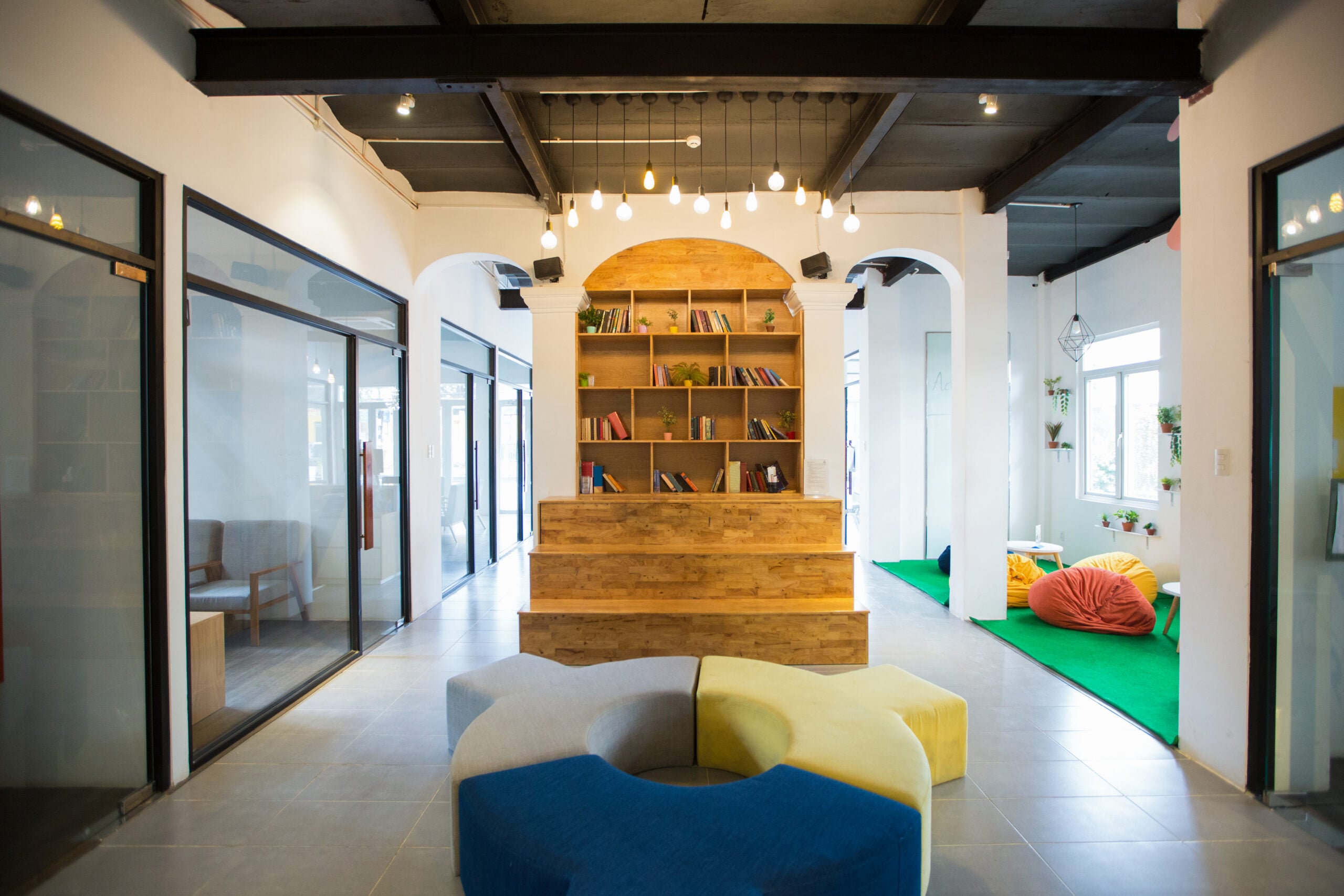
Office design has evolved beyond traditional models as startups increasingly prioritize flexibility and efficient growth. The right workspace reinforces the brand, strengthens culture, and provides a platform for future expansion.
Choosing a space that aligns with a startup’s specific needs can improve daily operations while driving long-term success.
We earn a commission if you make a purchase, at no additional cost to you.

We earn a commission if you make a purchase, at no additional cost to you.
How Flexible Work Reshapes Office Design
The rise of hybrid and location-independent work has changed how startups think about office space. More than 18 million Americans identify as digital nomads, reflecting a broader shift toward mobile and flexible ways of working. Offices serve as collaborative hubs that accommodate employees who split their time between home, client sites, and the company space.
1. Mobile Office
For startups that value mobility and flexibility, an office on wheels can serve as both a workspace and a marketing tool. Converted Airstream trailers, buses, vans, and tiny homes allow businesses to take their operations directly to clients, trade shows, festivals, or temporary job sites without relying on a fixed location.
This approach works well for creative agencies, event companies, consultants, real estate professionals, and businesses that frequently engage with customers in person. A mobile office creates opportunities to host meetings, demonstrate products, and build brand awareness wherever it travels. Its distinctive appearance can also generate curiosity and social media attention, giving startups an additional marketing advantage.
A mobile office combines transportation, workspace, and brand visibility. Managers should investigate the tax implications of moving the office between states, as relocating the business may affect state and local tax obligations or incentives that could benefit the startup.
2. Shipping Container Offices
Shipping container offices turn simple site offices into sophisticated workspaces that combine modern design with modular construction. By repurposing recycled steel containers, these offices function as permanent headquarters, satellite locations, or temporary project spaces while occupying a relatively small footprint.
While this type of space is limited in size, it offers vertical height with shelving installation, and it can be fully customized with air conditioning, high-speed internet connections, and advanced security features. With effective cable management and a digital-first approach, managing and arranging such an office is sustainable and part of broader eco-friendly initiatives. With multiple leasing options available, it also requires a smaller capital investment from cash-strapped startups.
Another benefit is scalability – a startup can begin with a single container and expand by adding additional units as the business grows. Containers can be stacked, arranged around outdoor courtyards, or connected to create meeting rooms, private offices, and collaborative work areas.
3. Prefabricated Office Pods
These assembly-style units offer many of the advantages of traditional construction while significantly reducing installation time. Manufactured off-site and delivered largely complete, these structures can serve as stand-alone offices, meeting rooms, or quiet workspaces.
Many models feature high-quality insulation, energy-efficient windows, integrated electrical systems, and acoustic treatments that support focused work. Depending on local regulations, pods can be installed in business parks, industrial properties, or even unused outdoor space, allowing startups to expand without undertaking a major construction project.
Modular construction is already proving to be a solution to the housing crisis, but it is also cost-effective and fully scalable, which suits a growing business environment. Prefabricated office pods deliver professional workspaces quickly while giving growing businesses the flexibility to expand in stages and relocate easily if needed.
4. Repurposed Industrial Buildings
An industrial space allows startups to access spacious, character-filled environments that are different from conventional office developments. Former warehouses, factories, churches, mills, and airplane hangars often feature high ceilings, exposed brick, large windows, and open floor plans that encourage collaboration while giving the workplace a distinctive identity.
The generous layouts make these buildings easy to adapt for a variety of uses, including offices, production areas, studios, and event spaces. Adaptive reuse projects also support sustainability by extending the life of existing buildings and reducing demand for new building materials. An example of this might be purchasing decommissioned post office buildings as office space.
A distinct benefit of this approach is that repurposed buildings create memorable workplaces that combine distinctive architecture and flexible layouts for growing businesses. Startups investing in historic buildings should consult local permitting offices or state historic preservation offices to understand applicable compliance requirements.
5. Greenhouse Offices
A nature-first space blends functionality with the health benefits of sunlight and plants. Whether designed as a stand-alone structure or incorporated into an existing office through biophilic elements, these spaces create bright, comfortable environments that encourage collaboration and focused work.
Many businesses incorporate indoor gardens, living plants, and flexible seating areas that support meetings, brainstorming sessions, and quiet work. Since Americans spend up to 90% of their time indoors, between homes and offices, having healthier air quality at work is essential.
Greenhouse offices work especially well for companies that want their offices to reflect values such as sustainability, wellness, and innovation. Even smaller startups can incorporate greenhouse-inspired design by creating glass meeting rooms or indoor garden spaces within an existing office.
6. Mezzanine Offices
Mezzanine or elevated offices make efficient use of existing vertical space in warehouses, manufacturing facilities, or distribution centers. Building offices above the production floor creates dedicated administrative areas without reducing valuable operational space below.
Glass walls and open sightlines allow managers and office staff to remain connected to day-to-day operations while maintaining quieter work areas for meetings and administrative tasks.
Maximizing Growth Potential with Mezzanine Offices
As businesses expand, the versatility of mezzanine offices becomes increasingly valuable. These office spaces can easily adapt to growth by enclosing additional sections or incorporating meeting rooms and collaborative spaces, making them a practical choice for evolving companies.
One of the key benefits of mezzanine offices is their ability to build upward instead of outward. This vertical expansion minimizes the need for larger premises while promoting better communication between office and operations teams. To ensure safety and compliance with OSHA regulations, it is essential to install appropriate screens, guardrails, and solid panels around all walking areas, including stairway access and top-of-stairs landings.
The Impact of Workspace on Startup Success
The design of an office plays a crucial role in shaping employee collaboration, customer interactions, and overall business efficiency. By selecting a workspace that aligns with current needs and allows for future growth, startups can cultivate an environment that fosters innovation, productivity, and long-term viability.
Image by katemangostar on Magnific












Button Mash Mania: The Ultimate Menu Experiment

European Startup Clastix Secures €2.9 Million Investment from Mistral to Develop Sovereign Kubernetes Infrastructure

Revolutionizing Mobile Payments: iOS 27’s Enhanced Apple Pay Experience on iPhone

Electrified Guardian: A Twist on the Electric G-Class

December’s Symbiosis: Marathon’s Major Update

Comparing the Top AI Headshot Generators: Price, Realism, and Consistency

Lost Laptops, Phony Football Stars & Locate My Devices

Mrwhosetheboss – 1 Million Subscribers

The N57S: A Torque Monster Surpassing the M5

EU Takes Action Against Instagram and Facebook for Violating Illegal Content Rules

Warning: Facebook Creators Face Monetization Loss for Stealing and Reposting Videos

Facebook’s New Look: A Blend of Instagram’s Style

Facebook Compliance: ICE-tracking Page Removed After US Government Intervention

Facebook and Instagram to Reduce Personalized Ads for European Users

InstaDub: Meta’s AI Translation Tool for Instagram Videos

Reclaim Your Account: Facebook and Instagram Launch New Hub for Account Recovery

Meta discontinues Messenger apps for Windows and macOS

Breaking Updates: Meta Connect 2025 Unveils Latest Developments
Mrwhosetheboss – 1 Million Subscribers

The Surprising TRUTH about Samsung – 15 things you did not know.

10 Incredible Android DIY Hacks!

Does a Cheap 2018 Smartphone beat a 2013 Flagship?

Samsung Galaxy S9 & S9+ UNBOXING!

Samsung Galaxy S9 Plus vs iPhone X

The BEST $300 Phone (2018) ft. MKBHD, Technical Guruji, iJustine + More

Samsung Galaxy S9 Plus Gaming Review! (vs OnePlus 5T)

THE BEST PHONE HTC EVER MADE?
-
 Facebook11 months ago
EU Takes Action Against Instagram and Facebook for Violating Illegal Content Rules
-
 Facebook12 months ago
Warning: Facebook Creators Face Monetization Loss for Stealing and Reposting Videos
-
 Facebook10 months ago
Facebook’s New Look: A Blend of Instagram’s Style
-
 Facebook12 months ago
Facebook Compliance: ICE-tracking Page Removed After US Government Intervention
-
 Facebook10 months ago
Facebook and Instagram to Reduce Personalized Ads for European Users
-
 Facebook12 months ago
InstaDub: Meta’s AI Translation Tool for Instagram Videos
-
 Facebook10 months ago
Reclaim Your Account: Facebook and Instagram Launch New Hub for Account Recovery
-
 Apple11 months ago
Meta discontinues Messenger apps for Windows and macOS
