
Gadgets
Exploring the Benefits of the Willow Smart Plant Sensor: A Comprehensive Review

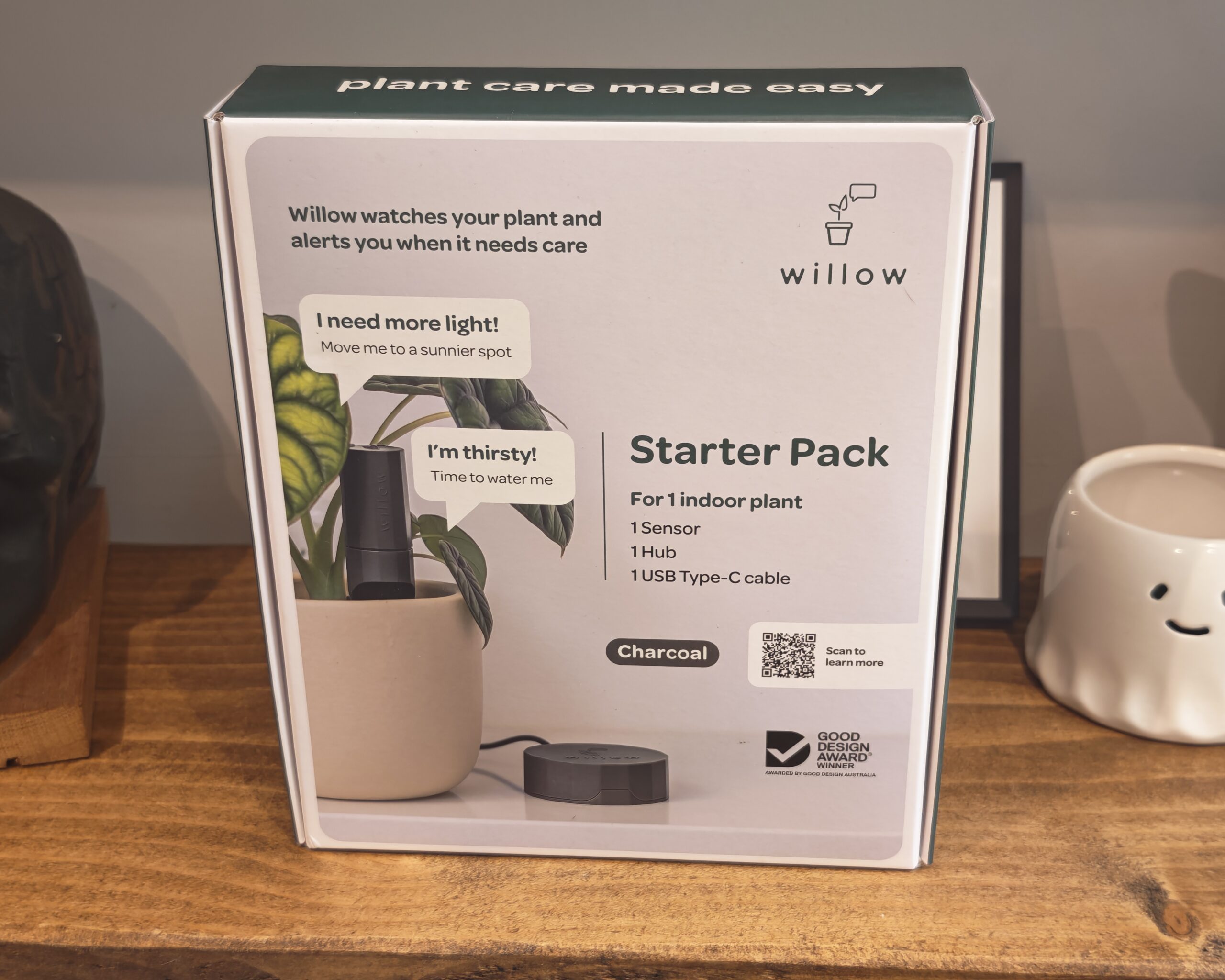
My partner and I do not have green thumbs, and she tends to kill every plant she buys. So, I decided to try out the Willow Smart Plant Sensor to see if it could help us be better plant parents.
Willow is not your typical smart plant sensor. It does more than just monitor soil; it also tracks light, humidity, and temperature. Additionally, it can provide customized guidance based on the specific needs of the plant.
Specification
Before delving into Willow’s day-to-day performance, let’s take a look at what comes in the box and the capabilities of the sensor itself. The Starter Pack I tested includes one Sensor, one Wi-Fi Hub, and a USB-C cable, all in a charcoal color (with a moss green option available).
- Sensor size: 172mm length x 32mm diameter, with a 124mm probe suitable for pots up to 20cm deep. A Large Pot Extension is sold separately for deeper containers.
- Hub size: 74mm x 26mm
- Battery: replaceable CR2477 coin cell, fitted inside the sensor from the factory
- Connectivity: Bluetooth 5.2 between the Sensor and Hub, with a range of around 20 meters, and 2.4GHz Wi-Fi between the Hub and your router
- Sensors per hub: up to 40
- Weatherproofing: IP54 rated, so it is dust and splash resistant rather than fully waterproof
- Measurement range: light 0 to 100,000 lux, temperature 0°C to 55°C, humidity 0 to 100%, soil moisture 0 to 90%
- App requirements: Android 5.0 or later, iOS 13 or later
- Warranty: 1 year from date of purchase
- Price: £34.99 for the Starter Pack (1 sensor, 1 hub)
For context, the sensor takes a fresh reading roughly every 15 minutes, which is frequent enough to catch a plant drying out without draining the coin cell too quickly.
Features – What does Willow do?
At its core, Willow aims to solve the common problem of not knowing what’s happening inside a plant pot. The sensor measures soil moisture, ambient light, temperature, and humidity, sending the data to Willow’s servers via your home Wi-Fi after relaying it through the Hub.
Willow’s real value lies in its ability to analyze this data and provide actionable insights. By identifying your plant species in the app, Willow can compare the readings against the plant’s specific needs and generate a Plant Happiness Score. This score is updated regularly throughout the day, and you receive notifications if your plant requires attention.
You can also set a Growth Goal for each plant, choosing between Survive and Thrive to adjust light and watering thresholds accordingly. This personalized approach ensures your plants receive the care they need based on their individual requirements.
In addition to sensor readings, the app offers a plant care library, a fertiliser schedule, an event log for tracking activities like repotting or pruning, and a photo-based Plant ID scanner. While some features are free, others are part of Willow’s optional Grow subscription, which should be considered before making a purchase.
Optional Subscription
Unfortunately, Willow, like many other brands, offers subscription-based features. While optional, these subscriptions limit certain functionalities.
The free Starter plan provides essential care guides, plant tracking, a blog and tutorials library, and a fertiliser schedule. Plant ID is limited to 5 scans per month. This tier is suitable for users with a few houseplants who do not require disease diagnosis.
The Willow Grow subscription costs £25.99 per year or £3.29 per month. This unlocks features such as unlimited Plant ID scans, Disease ID for diagnosing plant issues, and a monthly consultation with a horticulturist. Other benefits include extra sensor data, a plant daily summary, unlimited plant recommendation quizzes, and personalized plant suggestions based on sensor data.
The standout feature is Disease ID, which is not available in the Starter plan. This limitation, along with monthly caps on Plant Doctor and Best for you features, may impact the value of the Grow subscription, especially for users with multiple plants.
While the pricing is competitive in the plant care app market, the value of the Grow subscription depends on the number of plants you own and your need for disease diagnosis. For basic functionalities like reminders and a happiness score, the Starter plan suffices.
Design

Willow’s hardware is designed to blend seamlessly into a plant pot. The sensor is a slim charcoal grey stick, resembling a large marker pen, with a smooth finish and minimal branding. The two metal probes are subtly spaced and feature a “MAX SOIL LEVEL” line for accurate placement.
The Hub is a compact hexagonal puck in charcoal, with a discreet logo and USB-C power for versatility. Its design allows for easy placement on a windowsill or shelf without drawing attention.


The build quality is sturdy but not premium. The IP54 rating ensures protection against dust and splashes, making it suitable for long-term soil placement. However, it is not waterproof, so submerging it should be avoided.
Setting up the Willow Hub & Sensor
The setup process is similar to other smart home devices. Download the Willow app, create an account, plug in the Hub, and connect it to your Wi-Fi network. Pairing the sensor is straightforward, involving activating the battery, pairing it with the Hub, and placing it in the soil as instructed.
The entire setup took about ten minutes, with most of the time spent on Wi-Fi configuration. This is a reasonable timeframe compared to other smart home devices.
Adding Plants to Willow
Once paired, you need to identify the plant being monitored. You can do this manually or use the photo scanner. The app will provide suggestions based on the photo, but less common plants may not have detailed care information.
You can create a placeholder entry for the identified plant and set up details such as location, soil type, pot size, and Growth Goal. The app requires a few days to generate a Plant Happiness Score based on the collected data.
Performance
Willow’s day-to-day use revolves around the app’s translation of sensor data into actionable insights. The home screen displays plant cards and alerts, providing a quick overview of your plants’ status.
The History tab functions as a plant diary, allowing you to log events and track changes over time. The sensor readings align with expected results, and notifications are timely and accurate.
Price and Alternative Options
The Willow Starter Pack is priced at £35, offering a cost-effective solution for plant monitoring.
Additional sensors and bundles are available at varying prices, catering to users with multiple plants.
The main competitor, SmartyPlants Monitor, is priced higher and lacks a hub, making it a more expensive option for multiple sensors.
Alternative options on Amazon include basic soil sensors and Zigbee sensors, which offer integration with smart home platforms but have mixed reviews.
Overall
In conclusion, the Willow Smart Plant Sensor offers a user-friendly and effective solution for plant care. Its comprehensive features, accurate readings, and intuitive app make it a valuable tool for plant enthusiasts. While there are minor drawbacks like gaps in the plant ID library and subscription limitations, Willow remains a worthwhile investment for plant lovers seeking to improve their green thumb.













Unleashing Power: The Mercedes-AMG GT 63 Pro Hits Malaysian Roads at RM 2.09 million

Revised Game++: Conquering Bugs and Keeping Pants Intact

Power Players: Europe’s Top AI Influencers

Beware: The Secret iOS 27 Setting That’s Sapping Your Battery Life

Concept Smartphones that are better than Real Smartphones

Unwrapping the Power: A Digital Look at BMW’s Electric M3 Body Wrap

Shadow Ops: Covert Extraction

Mastering the Fundamentals of Business Auditing

Apple Unveils Stunning Images Captured with ‘iPhone Duo’ Camera

EU Takes Action Against Instagram and Facebook for Violating Illegal Content Rules

Warning: Facebook Creators Face Monetization Loss for Stealing and Reposting Videos

Facebook’s New Look: A Blend of Instagram’s Style

Facebook Compliance: ICE-tracking Page Removed After US Government Intervention

Facebook and Instagram to Reduce Personalized Ads for European Users

InstaDub: Meta’s AI Translation Tool for Instagram Videos

Reclaim Your Account: Facebook and Instagram Launch New Hub for Account Recovery

Meta discontinues Messenger apps for Windows and macOS

Breaking Updates: Meta Connect 2025 Unveils Latest Developments
Concept Smartphones that are better than Real Smartphones

Samsung Galaxy SII Unboxing!

The SECRET to Maximise Smartphone Battery Life?

We Designed the Ultimate Gaming Smartphone of 2018!

Using the Cheapest Smartphone in the World.

Samsung Galaxy S9+ Unboxing! (Clone)

Unboxing the First Ever Samsung Galaxy S!!

Huawei P Smart – Huawei’s new Killer Budget Smartphone!

MYSTERY Package from Xiaomi – HUGE UNBOXING!
-
 Facebook11 months ago
EU Takes Action Against Instagram and Facebook for Violating Illegal Content Rules
-
 Facebook12 months ago
Warning: Facebook Creators Face Monetization Loss for Stealing and Reposting Videos
-
 Facebook10 months ago
Facebook’s New Look: A Blend of Instagram’s Style
-
 Facebook12 months ago
Facebook Compliance: ICE-tracking Page Removed After US Government Intervention
-
 Facebook10 months ago
Facebook and Instagram to Reduce Personalized Ads for European Users
-
 Facebook12 months ago
InstaDub: Meta’s AI Translation Tool for Instagram Videos
-
 Facebook10 months ago
Reclaim Your Account: Facebook and Instagram Launch New Hub for Account Recovery
-
 Apple12 months ago
Meta discontinues Messenger apps for Windows and macOS
