
Cars
The Resilient Roar: Audi’s Iconic Five-Cylinder Engine Lives On

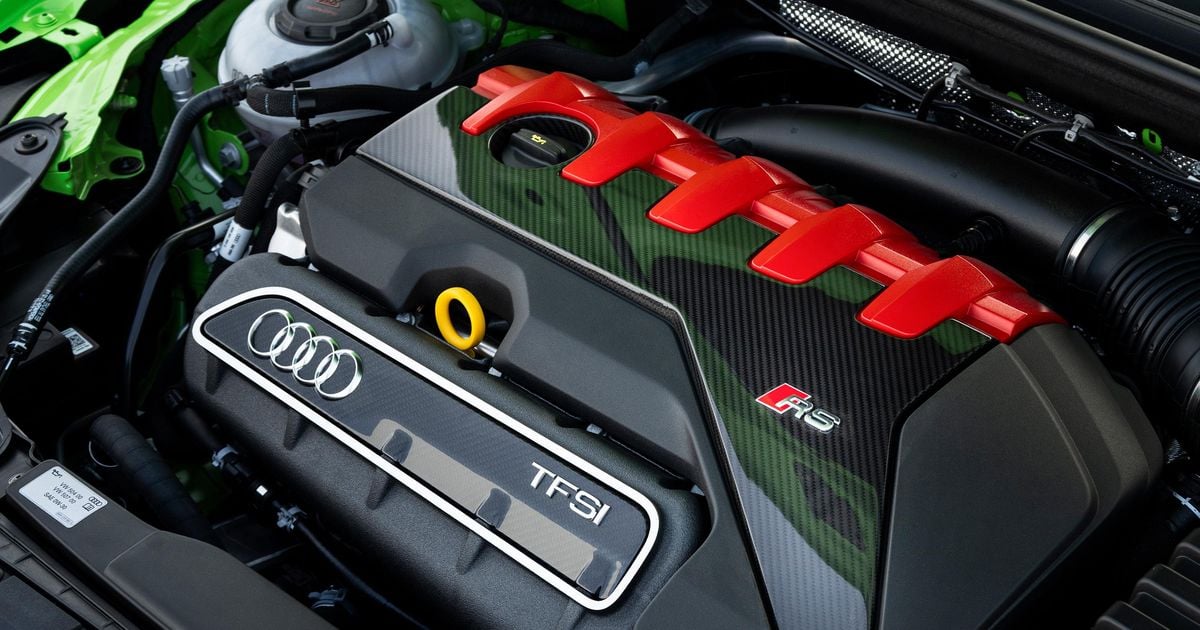
Audi’s iconic five-cylinder engine is set to continue production beyond its previously announced end date in mid-2027, as the German brand works on extending its lifespan. The 2.5-litre turbocharged petrol engine, which was slated to be phased out with the current Audi RS3 model, may now have a longer future ahead.
The latest generation of the high-performance RS3 hatchback and sedan is expected to cease production in 2027, according to a report by Automotive News. Initially, Audi had planned to discontinue the five-cylinder ‘EA855’ engine along with these models. However, Audi CEO Gernot Döllner expressed uncertainty about the engine’s future, citing concerns about meeting the investment required for compliance with EU7 emissions regulations.
Despite the challenges posed by the new regulations, there is hope for the continuation of the five-cylinder engine. Audi Sport boss Rolf Michl hinted at the possibility of retaining the engine, acknowledging its historical significance and unique characteristics. Evaluations are ongoing to determine the feasibility of keeping the engine in production.
The Euro 7 regulations, which include stringent measures on brake dust and tire particulates, are set to take effect in Europe in November 2026. Compliance with these regulations would necessitate significant modifications to the fuel and emissions systems of the five-cylinder engine, which currently powers only two low-volume models – the RS3 and Cupra Formentor VZ5.
Both the RS3 and Formentor VZ5 models are expected to arrive in Australia later this year, with limited availability. Additionally, there are speculations that the EA855 engine might be featured in the 2027 Volkswagen Golf R as part of a tribute to the original Golf R32, launched in 2002.
Audi has a rich history of offering five-cylinder engines, dating back to the 1976 Audi 100 sedan. The turbocharged five-pot engine gained a global following with the iconic Ur-quattro. In Australia, models like the TT RS, RS3, and RSQ3 have showcased the performance and unique sound of the five-cylinder powerplant.
The potential continuation of the five-cylinder engine comes amidst a strategic overhaul within the Volkswagen Group, which includes Audi and Cupra. The Future Picture 2030 plan aims to streamline the model lineup, focusing on fewer vehicles that excel in technology and innovation within their segments.
As part of this strategy, some Audi models, such as Sportback variants of the Q5 and Q6 e-tron, may face discontinuation. The production of the Q8 e-tron SUV already ceased in 2025, marking the end of an era for the Brussels plant where it was manufactured.
Overall, the future of the Audi five-cylinder engine remains uncertain but promising, with ongoing evaluations and a nod to its heritage and significance in the automotive world. The potential for its continuation beyond 2027 adds an intriguing chapter to the legacy of this iconic powerplant.
For more information on the Audi RS3 and other Audi models, explore the Audi RS3 showroom for the latest updates and offerings. Transform the following:
Original: He was not able to complete the project on time.
Transformed: Completing the project on time was not something he was able to do.











Malevolent Warlock Harnesses SharePoint Vulnerabilities to Disable Security Measures and Unleash Ransomware

Resident Evil: Timelines Collide – A Mysterious Crossover Adventure

Tech Titan’s Body Scan Revolution Hits US Shores

GrayKey Tool Outsmarts iPhone’s 72-Hour Inactivity Reboot

Unleashing Power: The Mercedes-AMG GT 63 Pro Hits Malaysian Roads at RM 2.09 million

Revised Game++: Conquering Bugs and Keeping Pants Intact

Power Players: Europe’s Top AI Influencers

Beware: The Secret iOS 27 Setting That’s Sapping Your Battery Life

Concept Smartphones that are better than Real Smartphones

EU Takes Action Against Instagram and Facebook for Violating Illegal Content Rules

Warning: Facebook Creators Face Monetization Loss for Stealing and Reposting Videos

Facebook’s New Look: A Blend of Instagram’s Style

Facebook Compliance: ICE-tracking Page Removed After US Government Intervention

Facebook and Instagram to Reduce Personalized Ads for European Users

InstaDub: Meta’s AI Translation Tool for Instagram Videos

Reclaim Your Account: Facebook and Instagram Launch New Hub for Account Recovery

Meta discontinues Messenger apps for Windows and macOS

Breaking Updates: Meta Connect 2025 Unveils Latest Developments
Concept Smartphones that are better than Real Smartphones

Samsung Galaxy SII Unboxing!

The SECRET to Maximise Smartphone Battery Life?

We Designed the Ultimate Gaming Smartphone of 2018!

Using the Cheapest Smartphone in the World.

Samsung Galaxy S9+ Unboxing! (Clone)

Unboxing the First Ever Samsung Galaxy S!!

Huawei P Smart – Huawei’s new Killer Budget Smartphone!

MYSTERY Package from Xiaomi – HUGE UNBOXING!
-
 Facebook11 months ago
EU Takes Action Against Instagram and Facebook for Violating Illegal Content Rules
-
 Facebook12 months ago
Warning: Facebook Creators Face Monetization Loss for Stealing and Reposting Videos
-
 Facebook10 months ago
Facebook’s New Look: A Blend of Instagram’s Style
-
 Facebook12 months ago
Facebook Compliance: ICE-tracking Page Removed After US Government Intervention
-
 Facebook10 months ago
Facebook and Instagram to Reduce Personalized Ads for European Users
-
 Facebook12 months ago
InstaDub: Meta’s AI Translation Tool for Instagram Videos
-
 Facebook10 months ago
Reclaim Your Account: Facebook and Instagram Launch New Hub for Account Recovery
-
 Apple12 months ago
Meta discontinues Messenger apps for Windows and macOS
