
Security
Secure Your WhatsApp Backups with Passkeys

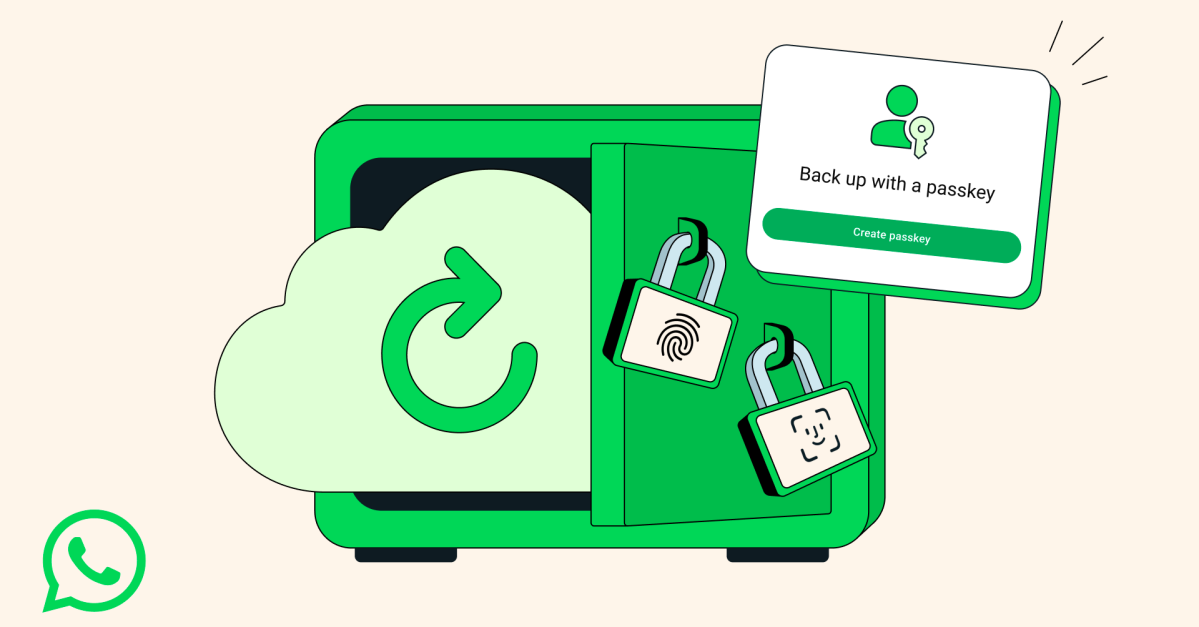
WhatsApp Introduces Passwordless Chat Backup Security
In an effort to enhance security for its users, WhatsApp is rolling out a new passwordless feature that allows for instant encryption of chat backups. This new passkey-encrypted backup system is being introduced for both iOS and Android devices, providing users with a quick and convenient way to secure their message history. Users can now encrypt their stored chats using facial recognition, fingerprint authentication, or their device screen lock code.
Enhanced Security Measures for Chat Backups
WhatsApp’s latest update will be gradually implemented over the next few weeks and months. This update aims to streamline the process of applying security measures to chat backups, aligning them with the same level of protection that personal chats and calls receive. While end-to-end encryption for backups was previously introduced in 2021, users had to manage a 64-digit encryption key or create a password associated with the key.
Introducing Passkeys for Enhanced User Experience
Passkeys are a new login technology that eliminates the need for passwords by utilizing authentication methods such as facial recognition already built into users’ devices. This innovative approach removes the complexity of managing encryption keys or passwords, allowing users to effortlessly secure their data with a simple tap or glance at their device. WhatsApp had previously introduced passkey support for account logins in 2023, and this latest expansion indicates the platform’s commitment to a password-free future.
Protecting Precious Memories with Enhanced Security
WhatsApp emphasized the significance of safeguarding users’ valuable memories stored in their chats, including photos, voice notes, and important conversations. The new encryption features aim to provide peace of mind to users, ensuring that their data remains secure even in cases of lost or transferred devices.













Setting the Standard: How Bentley’s Design Influence Inspires Imitation

Industry Impact: Microsoft’s Job Cuts Shake Up Artists, Game Designers, and Producers in Washington State

Release Dates Revealed: Mycopunk and Virtue Unleashed with a Sledgehammer

Oppo Find X10: The Next Generation OnePlus 16 Replacement

First Look: Samsung Galaxy Tab S12 Ultra Unveiled

NUS Enterprise Expands Globally with Nova: A Revolutionary AI Platform for Research Commercialisation

Mastering the iPhone 18 Pro’s Aperture: Enhancing Your Photography with These Camera Apps

Reimagining the Next Generation: A Closer Look at the Apple TV 4K and HomePod Mini

Samsung Galaxy S9 & S9+ UNBOXING!

EU Takes Action Against Instagram and Facebook for Violating Illegal Content Rules

Warning: Facebook Creators Face Monetization Loss for Stealing and Reposting Videos

Facebook’s New Look: A Blend of Instagram’s Style

Facebook Compliance: ICE-tracking Page Removed After US Government Intervention

Facebook and Instagram to Reduce Personalized Ads for European Users

InstaDub: Meta’s AI Translation Tool for Instagram Videos

Reclaim Your Account: Facebook and Instagram Launch New Hub for Account Recovery

Meta discontinues Messenger apps for Windows and macOS

Breaking Updates: Meta Connect 2025 Unveils Latest Developments
Samsung Galaxy S9 & S9+ UNBOXING!

Samsung Galaxy S9 Plus vs iPhone X

The BEST $300 Phone (2018) ft. MKBHD, Technical Guruji, iJustine + More

Samsung Galaxy S9 Plus Gaming Review! (vs OnePlus 5T)

THE BEST PHONE HTC EVER MADE?

The Truth about Google?

Samsung S9/ S9+ vs iPhone X vs Galaxy Note 8 Battery Life DRAIN TEST

Samsung S9 / S9+ vs Mate 10 Pro vs iPhone X Charging SPEED Test

The BEST APPS in 2018 – ft. MKBHD, UrAvgConsumer, iJustine + More
-
 Facebook11 months ago
EU Takes Action Against Instagram and Facebook for Violating Illegal Content Rules
-
 Facebook12 months ago
Warning: Facebook Creators Face Monetization Loss for Stealing and Reposting Videos
-
 Facebook10 months ago
Facebook’s New Look: A Blend of Instagram’s Style
-
 Facebook12 months ago
Facebook Compliance: ICE-tracking Page Removed After US Government Intervention
-
 Facebook10 months ago
Facebook and Instagram to Reduce Personalized Ads for European Users
-
 Facebook12 months ago
InstaDub: Meta’s AI Translation Tool for Instagram Videos
-
 Facebook10 months ago
Reclaim Your Account: Facebook and Instagram Launch New Hub for Account Recovery
-
 Apple11 months ago
Meta discontinues Messenger apps for Windows and macOS
