
Cars
Revolutionary Rotary: A New Era of Engine Technology

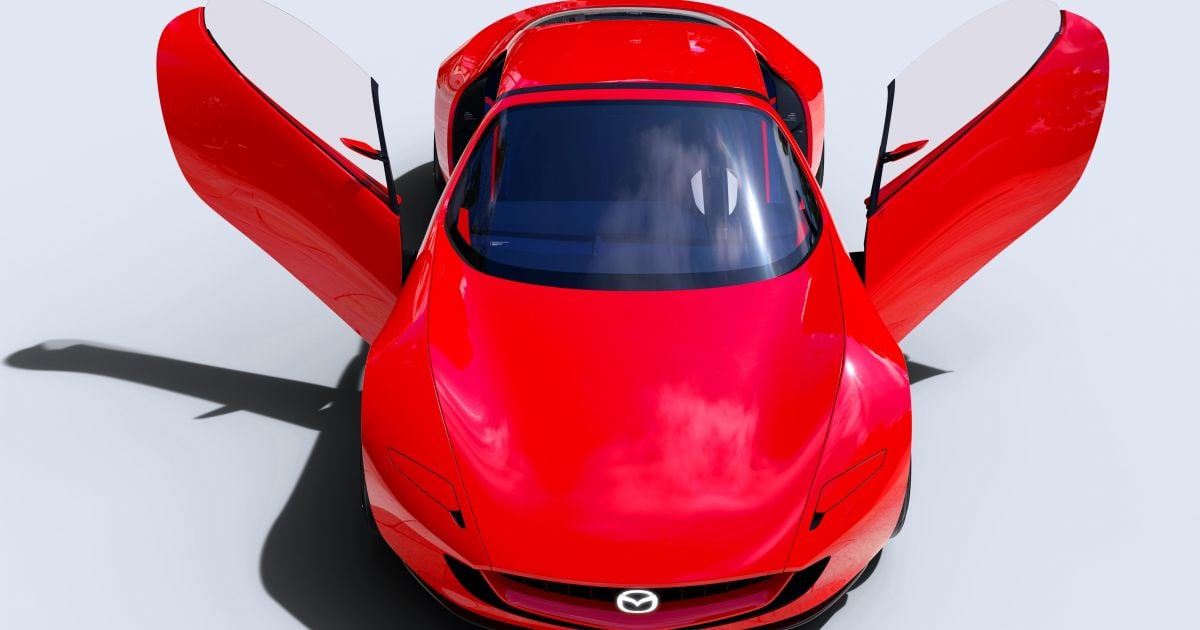
The Return of the Rotary Engine: A New Chapter in Automotive Innovation
In a surprising turn of events, the iconic rotary engine is set to make a comeback, but not from its traditional powerhouse, Mazda. Instead, it will be reintroduced by a Chinese manufacturer, Changan Automobile Group, marking a new era in automotive technology.
According to reports from Carscoops, Changan Automobile Group, in collaboration with Mazda, is planning to launch a single-rotor internal combustion engine in 2027. This innovative engine will not be featured in a conventional road car but will power a low-altitude aircraft. Additionally, a more powerful twin-rotor version is currently in development, promising even greater performance.
The project is a joint effort between Changan, ARIDGE (the flying-car division of Xpeng), and tech giant Huawei. The plan includes the development of both naturally aspirated and turbocharged versions of the rotary engine, showcasing a commitment to cutting-edge technology and innovation.
While this new rotary engine is not directly associated with Mazda, the collaboration between the two companies hints at the possibility of seeing rotary-powered Mazdas back on the road in the future.
The rotary engine, also known as the Wankel engine, offers a unique design with a spinning ‘rotor’ replacing conventional pistons. This design provides advantages such as fewer moving parts, compact size, and potentially lower maintenance costs. Despite debates surrounding its operating sound, the rotary engine is known for its distinctive ‘brap’ engine note, especially in modified versions.
The history of the rotary engine dates back to the 1967 Ro80 from NSU, which paved the way for Mazda’s adoption of the technology in models like the iconic Cosmo and R100. Rotary-powered Mazdas have achieved notable success in motorsport, including victories in prestigious events like the Bathurst 12 Hour and Le Mans 24 Hour.
Although Mazda’s last rotary-powered model, the RX-8, ceased production in 2012, there have been brief comebacks, such as the single-rotor engine used in the MX-30 range-extender electric vehicle. This intermittent presence has left Mazda fans eagerly anticipating the return of rotary-powered sports cars like the RX-7.
Mazda continues to explore the potential of rotary engines, as evidenced by concepts like the Vision X-Coupe with a twin-rotor plug-in hybrid powertrain. These initiatives demonstrate Mazda’s ongoing commitment to innovation and the legacy of the rotary engine.
For more insights into Mazda’s latest innovations and offerings, explore the Mazda showroom today.








Revolutionary Safety Feature: Tesla Roadster with Retractable Movable Wing

Microsoft Announces Discontinuation of Copilot Plus PC Brand

Goblin Invasion: Hytale’s Chapter 1 Update Introduces Epic Boss Battles and Intricate Dungeons

Samsung Galaxy S27 Pro and Ultra: Enhanced with Larger Batteries

Innovative Health Benefits for Emerging Businesses

Comparing Apple Home’s AI Camera to Amazon and Google: A Test of Smart Home Technology

AirPods Enhancements: The Long-Awaited Update

The Evolution of the ALPINA X5: From Secret Prototype to BMW X5 4.6iS

Microsoft’s Revolutionary Copilot: A Game-Changer in the Battle Against Anthropic and OpenAI – GeekWire

EU Takes Action Against Instagram and Facebook for Violating Illegal Content Rules

Warning: Facebook Creators Face Monetization Loss for Stealing and Reposting Videos

Facebook’s New Look: A Blend of Instagram’s Style

Facebook Compliance: ICE-tracking Page Removed After US Government Intervention

Facebook and Instagram to Reduce Personalized Ads for European Users

InstaDub: Meta’s AI Translation Tool for Instagram Videos

Reclaim Your Account: Facebook and Instagram Launch New Hub for Account Recovery

Meta discontinues Messenger apps for Windows and macOS

Breaking Updates: Meta Connect 2025 Unveils Latest Developments

Samsung Galaxy S9 Plus vs iPhone X

The BEST $300 Phone (2018) ft. MKBHD, Technical Guruji, iJustine + More

Samsung Galaxy S9 Plus Gaming Review! (vs OnePlus 5T)

THE BEST PHONE HTC EVER MADE?

The Truth about Google?

Samsung S9/ S9+ vs iPhone X vs Galaxy Note 8 Battery Life DRAIN TEST

Samsung S9 / S9+ vs Mate 10 Pro vs iPhone X Charging SPEED Test

The BEST APPS in 2018 – ft. MKBHD, UrAvgConsumer, iJustine + More

The ULTIMATE Smartphone Unboxing!!
-
 Facebook11 months ago
EU Takes Action Against Instagram and Facebook for Violating Illegal Content Rules
-
 Facebook12 months ago
Warning: Facebook Creators Face Monetization Loss for Stealing and Reposting Videos
-
 Facebook10 months ago
Facebook’s New Look: A Blend of Instagram’s Style
-
 Facebook12 months ago
Facebook Compliance: ICE-tracking Page Removed After US Government Intervention
-
 Facebook10 months ago
Facebook and Instagram to Reduce Personalized Ads for European Users
-
 Facebook12 months ago
InstaDub: Meta’s AI Translation Tool for Instagram Videos
-
 Facebook10 months ago
Reclaim Your Account: Facebook and Instagram Launch New Hub for Account Recovery
-
 Apple11 months ago
Meta discontinues Messenger apps for Windows and macOS
