
Security
Data Breach: Inside the Risks of Corporate Cloud Storage


Zestix Offers Stolen Corporate Data from Cloud File-Sharing Sites
In recent developments, a threat actor known as Zestix has been detected selling corporate data stolen from numerous companies. The breach seems to have originated from ShareFile, Nextcloud, and OwnCloud instances.
According to Hudson Rock, a cybercrime intelligence company, the breach was likely facilitated by info-stealing malware like RedLine, Lumma, and Vidar, which were deployed on employee devices to gather credentials.
These malware types are typically spread through malvertising campaigns or ClickFix attacks, targeting data stored in web browsers, messaging apps, and cryptocurrency wallets.
One crucial vulnerability highlighted is the absence of multi-factor authentication (MFA) protection, which enables threat actors with valid credentials to gain unauthorized access to platforms like file-sharing services.
Hudson Rock’s report further reveals that some stolen credentials have been circulating in criminal databases for years, indicating a failure to rotate or invalidate them even after prolonged periods.
Multiple Breaches Across Various Sectors
Zestix operates as an initial access broker (IAB) in underground forums, selling access to high-value corporate cloud platforms such as ShareFile, Nextcloud, and OwnCloud. These breaches have affected organizations in sectors like aviation, defense, healthcare, utilities, mass transit, telecommunications, legal, real estate, and government.
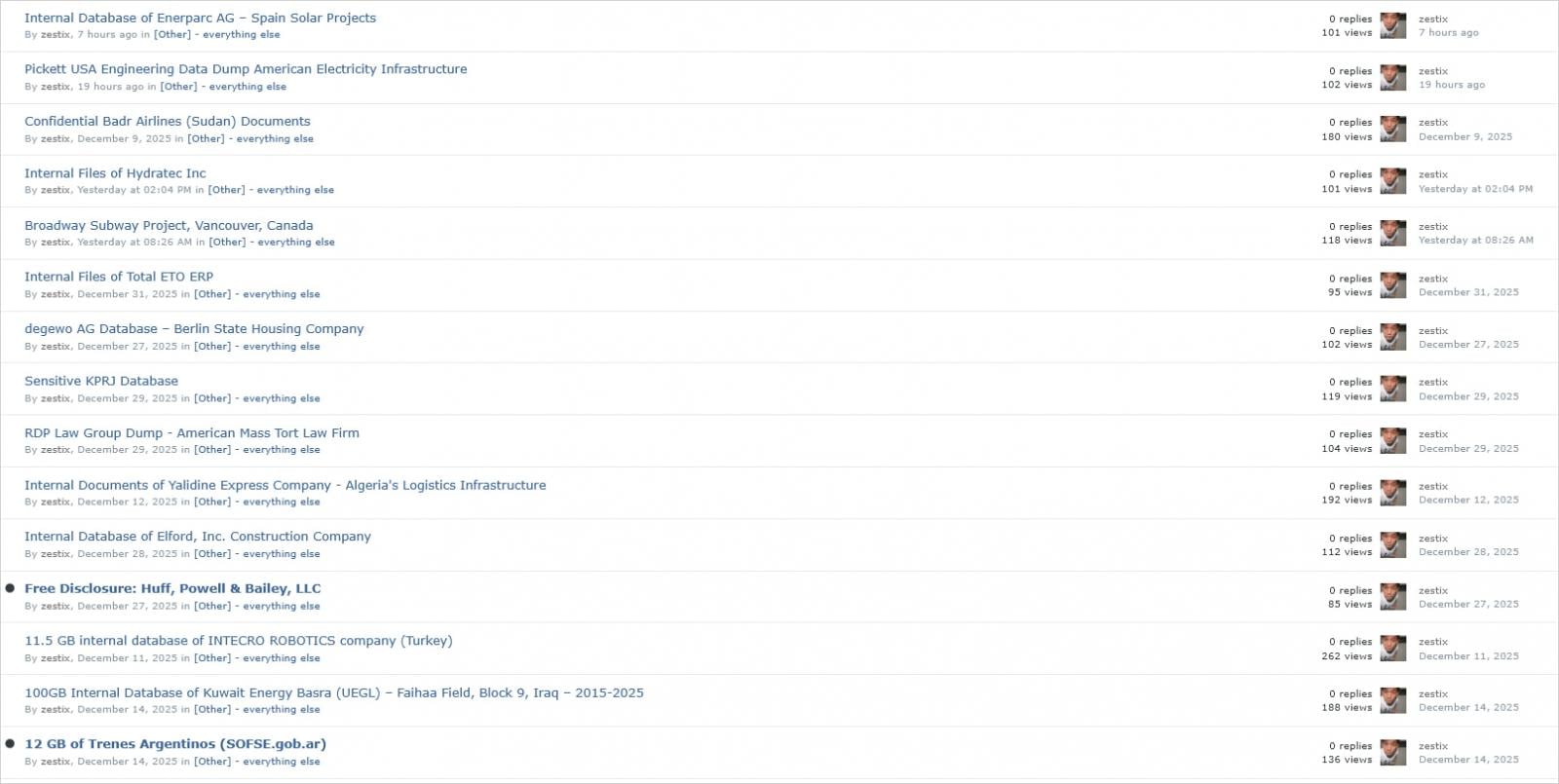
Source: Hudson Rock
By analyzing infostealer logs, Zestix gains access to cloud file-sharing services using valid credentials where MFA is not implemented. Hudson Rock has identified potential breach points by cross-referencing infostealer data with publicly available information.
It’s worth noting that while Hudson Rock has identified stolen employee credentials in several cases, there is no public confirmation of security breaches from the affected companies. One exception may be Iberia, although it’s not directly linked to Hudson Rock’s findings.
Zestix has offered to sell stolen data volumes ranging from gigabytes to terabytes, including aircraft maintenance manuals, defense files, customer databases, health records, mass-transit schematics, utility maps, and government contracts.
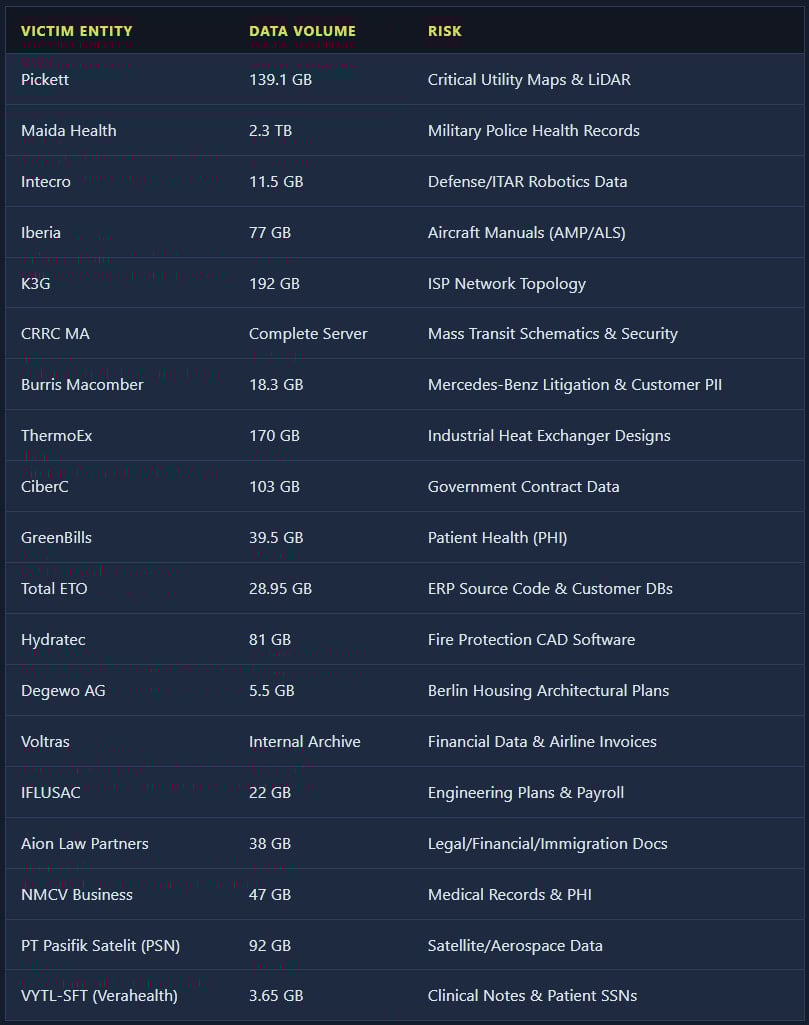
Source: Hudson Rock
Additionally, Hudson Rock has uncovered another set of 30 victims sold under the alias “Sentap.” They emphasize that cloud exposure is a systemic issue stemming from organizations’ lax security practices, with infected computers identified at major companies like Deloitte, KPMG, Samsung, Honeywell, and Walmart.
Hudson Rock has informed ShareFile of the breaches and plans to notify Nextcloud and OwnCloud for appropriate action.

As MCP (Model Context Protocol) becomes the standard for connecting LLMs to tools and data, security teams are moving fast to keep these new services safe.
This free cheat sheet outlines 7 best practices you can start using today.













Goblin Invasion: Hytale’s Chapter 1 Update Introduces Epic Boss Battles and Intricate Dungeons

Samsung Galaxy S27 Pro and Ultra: Enhanced with Larger Batteries

Innovative Health Benefits for Emerging Businesses

Comparing Apple Home’s AI Camera to Amazon and Google: A Test of Smart Home Technology

AirPods Enhancements: The Long-Awaited Update

The Evolution of the ALPINA X5: From Secret Prototype to BMW X5 4.6iS

Microsoft’s Revolutionary Copilot: A Game-Changer in the Battle Against Anthropic and OpenAI – GeekWire

Building the Future: The Evolution of Europe’s First Digital Experimentation Infrastructure

Titan Quest II: Rise of the Gods – Official Launch in January 2027

EU Takes Action Against Instagram and Facebook for Violating Illegal Content Rules

Warning: Facebook Creators Face Monetization Loss for Stealing and Reposting Videos

Facebook’s New Look: A Blend of Instagram’s Style

Facebook Compliance: ICE-tracking Page Removed After US Government Intervention

Facebook and Instagram to Reduce Personalized Ads for European Users

InstaDub: Meta’s AI Translation Tool for Instagram Videos

Reclaim Your Account: Facebook and Instagram Launch New Hub for Account Recovery

Meta discontinues Messenger apps for Windows and macOS

Breaking Updates: Meta Connect 2025 Unveils Latest Developments

Samsung Galaxy S9 Plus vs iPhone X

The BEST $300 Phone (2018) ft. MKBHD, Technical Guruji, iJustine + More

Samsung Galaxy S9 Plus Gaming Review! (vs OnePlus 5T)

THE BEST PHONE HTC EVER MADE?

The Truth about Google?

Samsung S9/ S9+ vs iPhone X vs Galaxy Note 8 Battery Life DRAIN TEST

Samsung S9 / S9+ vs Mate 10 Pro vs iPhone X Charging SPEED Test

The BEST APPS in 2018 – ft. MKBHD, UrAvgConsumer, iJustine + More

The ULTIMATE Smartphone Unboxing!!
-
 Facebook11 months ago
EU Takes Action Against Instagram and Facebook for Violating Illegal Content Rules
-
 Facebook12 months ago
Warning: Facebook Creators Face Monetization Loss for Stealing and Reposting Videos
-
 Facebook10 months ago
Facebook’s New Look: A Blend of Instagram’s Style
-
 Facebook12 months ago
Facebook Compliance: ICE-tracking Page Removed After US Government Intervention
-
 Facebook10 months ago
Facebook and Instagram to Reduce Personalized Ads for European Users
-
 Facebook12 months ago
InstaDub: Meta’s AI Translation Tool for Instagram Videos
-
 Facebook10 months ago
Reclaim Your Account: Facebook and Instagram Launch New Hub for Account Recovery
-
 Apple11 months ago
Meta discontinues Messenger apps for Windows and macOS
