
Startups
Uncovering the Power of Switchboards: The Essential Core of Electrical Networks

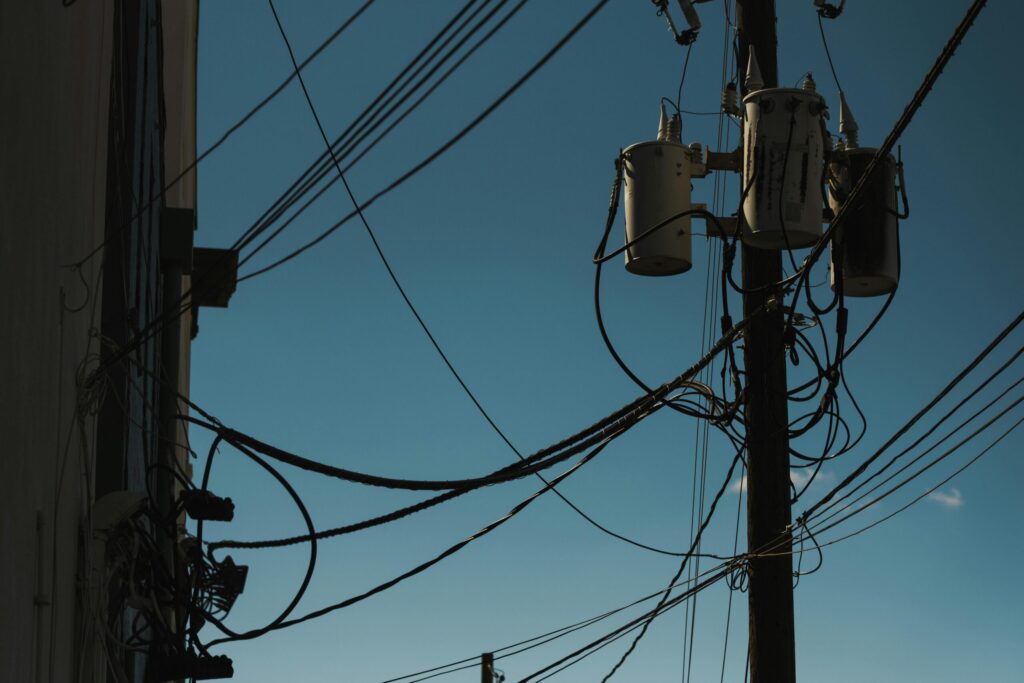
When it comes to modern electrical systems, the smooth operation of residential, commercial, and industrial facilities relies heavily on a dependable infrastructure. One crucial component that ensures seamless power distribution is the power switchboard. Despite often being overlooked, these electrical instruments play a vital role as the backbone of complex electrical networks, enabling the safe, efficient, and controlled delivery of electricity to various devices, machinery, and equipment.
At their essence, switchboards for electrical networks are designed to manage and direct electrical power from incoming sources to multiple outgoing circuits. By incorporating protection mechanisms, monitoring systems, and control devices, these electrical panels ensure the safe and efficient operation of equipment. Proper deployment of switchboards not only protects against electrical faults but also enhances operational performance in facilities.
Essential Components and Functions
A typical switchboard comprises several vital components that work together to control the flow of electricity. Circuit breakers, busbars, fuses, and protective relays are among the primary elements that ensure electrical safety. Circuit breakers isolate faulty circuits, while busbars distribute power to multiple devices. Protective relays detect irregularities such as overloads or short circuits, triggering the immediate shutdown of affected circuits to prevent damage.
Monitoring systems within these electrical panels provide real-time information on key electrical parameters like voltage, current, and power. This functionality enables facility managers and engineers to make informed decisions regarding load management, equipment maintenance, and operational efficiency. By strategically employing these electrical instruments, organizations can reduce downtime, prolong the lifespan of connected devices, and maintain regulatory compliance.
Types of Switchboards
Switchboards are categorized into various types based on their application and configuration. Low-voltage switchboards are commonly used in commercial and residential settings to distribute electricity safely to lighting and standard equipment. Medium- and high-voltage switchboards are crucial in industrial facilities and power generation plants where managing substantial electrical loads is necessary.
Specialized switchboards like motor control centers combine switching, control, and protection functions in a single assembly, optimizing space and enhancing system reliability.
The selection of a switchboard depends on factors such as load capacity, environmental conditions, and specific facility requirements. Proper installation and consistent maintenance are essential for ensuring the safe and efficient performance of these electrical instruments over time.
By incorporating monitoring devices and protective components, switchboards can help detect faults early, manage energy consumption effectively, and support the long-term reliability of connected equipment. This makes them indispensable in maintaining uninterrupted operations across residential, commercial, and industrial settings.
Strategic Deployment and Maintenance
The effective deployment of power switchboards requires careful planning, including evaluating electrical load requirements, environmental conditions, and safety standards. Proper installation ensures that these devices can handle peak demands without compromising performance or safety. Regular inspection and maintenance are equally crucial. Cleaning, testing, and calibrating the protective components within switchboards prevent malfunctions, reduce downtime, and support long-term reliability.
Modern switchboards may incorporate smart monitoring features that allow remote management of electrical networks. By utilizing intelligent sensors and communication modules, facility managers can monitor energy usage, detect anomalies, and implement preventive measures before faults occur. This approach optimizes the operation of connected devices and promotes a data-driven approach to electrical network management.
The Significance of Switchboards in Electrical Networks
Switchboards are vital for the safe, efficient, and reliable operation of electrical networks. By controlling, protecting, and monitoring the flow of electricity, these electrical instruments ensure that devices and equipment function correctly, reducing the risk of interruptions or system failures. Proper selection, installation, and maintenance of switchboards help prevent faults such as overloads or short circuits, supporting the long-term stability of electrical systems.
In addition to safety, power switchboards contribute to operational efficiency. They enable better load management, provide accurate monitoring of energy usage, and allow for the seamless integration of additional devices or equipment. Understanding their role empowers facility managers, engineers, and homeowners to make informed decisions about electrical infrastructure, enhancing reliability, optimizing performance, and supporting overall system resilience.
Sources:
Researchgate
Sciencedirect













BYD’s Second-Generation Seal 07 Sedan: Bigger and Better than Ever in China

Reflections on the Gig Economy: The Legacy of Amazon’s Mechanical Turk

Concerns Surrounding Potential Overhaul of Galaxy S27 Ultra Cameras

Revolutionizing Success: A Comprehensive Guide to Strategic Framework for Startups in 2026

Unveiling Google’s Latest: Introducing the Pixel 11A

Google Resolves Bug Causing iPhone Apps to Crash

Eye-catching Orange Mercedes-AMG One Turns Heads in Geneva

Ragnarok Approaches: Pre-order God of War Laufey on September 29th

Tech Advisor’s Top Picks for Portable and Smart Home Connected Gadgets

EU Takes Action Against Instagram and Facebook for Violating Illegal Content Rules

Warning: Facebook Creators Face Monetization Loss for Stealing and Reposting Videos

Facebook’s New Look: A Blend of Instagram’s Style

Facebook Compliance: ICE-tracking Page Removed After US Government Intervention

Facebook and Instagram to Reduce Personalized Ads for European Users

InstaDub: Meta’s AI Translation Tool for Instagram Videos

Reclaim Your Account: Facebook and Instagram Launch New Hub for Account Recovery

Meta discontinues Messenger apps for Windows and macOS

Breaking Updates: Meta Connect 2025 Unveils Latest Developments

5 ways you’re using your Smartphone wrong.

THE INSANE DUAL BATTERY SMARTPHONE!

ELEPHONE U PRO UNBOXING AND REVIEW!

Mrwhosetheboss – 1 Million Subscribers

The Surprising TRUTH about Samsung – 15 things you did not know.

10 Incredible Android DIY Hacks!

Does a Cheap 2018 Smartphone beat a 2013 Flagship?

Samsung Galaxy S9 & S9+ UNBOXING!

Samsung Galaxy S9 Plus vs iPhone X
-
 Facebook11 months ago
EU Takes Action Against Instagram and Facebook for Violating Illegal Content Rules
-
 Facebook12 months ago
Warning: Facebook Creators Face Monetization Loss for Stealing and Reposting Videos
-
 Facebook10 months ago
Facebook’s New Look: A Blend of Instagram’s Style
-
 Facebook12 months ago
Facebook Compliance: ICE-tracking Page Removed After US Government Intervention
-
 Facebook10 months ago
Facebook and Instagram to Reduce Personalized Ads for European Users
-
 Facebook12 months ago
InstaDub: Meta’s AI Translation Tool for Instagram Videos
-
 Facebook10 months ago
Reclaim Your Account: Facebook and Instagram Launch New Hub for Account Recovery
-
 Apple11 months ago
Meta discontinues Messenger apps for Windows and macOS
