
Tech News
Closing the Gap: How Googlebook is Propelling Android to Compete with Apple’s Ecosystem

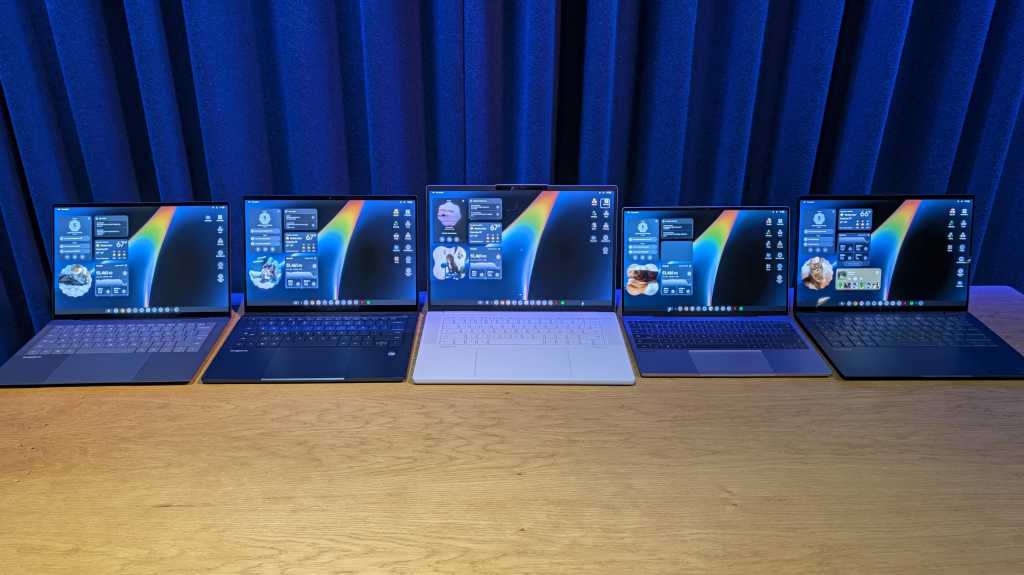
Revolutionizing Android-Laptop Integration: A Game-Changer for Googlebooks
In the realm of smartphone technology, Android phones have often lagged behind iPhones in one crucial area – laptop integration. The seamless connection between iPhones and MacBooks has left Android users yearning for a similar experience, with Windows’ companion apps feeling outdated in comparison.
However, the tides may be turning for Android users, as Google makes a bold move to bridge the gap between Android devices and laptops. The new line of Googlebook devices promises to revolutionize the Android-laptop ecosystem, offering a glimpse into a future where integration is effortless and intuitive.
The Power of Ecosystems: A Key to Apple’s Success
The concept of an ecosystem is a cornerstone of Apple’s success, with seamless connectivity between devices being a major selling point for Apple users. The ability to seamlessly transition from one device to another, sharing apps, files, and settings effortlessly, has set Apple apart in the tech world.
The relationship between the iPhone and MacBook epitomizes the power of a well-integrated ecosystem, where the user experience is seamless and cohesive across devices.
Mahmoud Itani / Foundry
While ChromeOS has attempted to integrate with Android to some extent, the user experience between the two operating systems has often felt disjointed. With the introduction of Googlebooks, Google has set out to bridge this gap and provide a more cohesive experience for users.
Having spent time exploring the initial lineup of Googlebooks from Asus, Acer, HP, Dell, and Lenovo, it is evident that Google has prioritized consistency and integration. The experience across these devices is seamless, making it a delight for users who also own an Android phone.











US Announces $215m Prize for Advanced Quantum Computing Technologies

Bungie’s Unvaulting Destiny 2: Expanding Content, Creating New Games, and Transforming Marathon into a Deep Survival Adventure

Closing the Gap: How Googlebook is Propelling Android to Compete with Apple’s Ecosystem

Revolutionizing Android Reading: 5 Groundbreaking Googlebook Features

Time is Running Out: Save up to $200 on Your Disrupt 2026 Ticket!

Discovering Apple’s Future: John Ternus’ Quest for the Next Breakthrough

GM’s Apple CarPlay Integration Stands Strong: It Never Left in the First Place

Introducing the Latest Addition to Your iPhone: The All-New App on iOS 27

The BEST APPS in 2018 – ft. MKBHD, UrAvgConsumer, iJustine + More

EU Takes Action Against Instagram and Facebook for Violating Illegal Content Rules

Warning: Facebook Creators Face Monetization Loss for Stealing and Reposting Videos

Facebook’s New Look: A Blend of Instagram’s Style

Facebook Compliance: ICE-tracking Page Removed After US Government Intervention

Facebook and Instagram to Reduce Personalized Ads for European Users

InstaDub: Meta’s AI Translation Tool for Instagram Videos

Reclaim Your Account: Facebook and Instagram Launch New Hub for Account Recovery

Meta discontinues Messenger apps for Windows and macOS

Breaking Updates: Meta Connect 2025 Unveils Latest Developments
The BEST APPS in 2018 – ft. MKBHD, UrAvgConsumer, iJustine + More

The ULTIMATE Smartphone Unboxing!!

HOW GOOD can a $250 Smartphone Camera be!?

10 Android Apps you NEED to try in 2018

They could not believe how cheap this Phone is

A $50,000 Smartphone for $400?

Huawei P20 Pro Unboxing!

Huawei P20 Pro vs Samsung S9 Plus!

Huawei P20 vs P20 Pro vs iPhone 8 Plus vs S9 Battery Drain Test!
-
 Facebook11 months ago
EU Takes Action Against Instagram and Facebook for Violating Illegal Content Rules
-
 Facebook11 months ago
Warning: Facebook Creators Face Monetization Loss for Stealing and Reposting Videos
-
 Facebook10 months ago
Facebook’s New Look: A Blend of Instagram’s Style
-
 Facebook11 months ago
Facebook Compliance: ICE-tracking Page Removed After US Government Intervention
-
 Facebook10 months ago
Facebook and Instagram to Reduce Personalized Ads for European Users
-
 Facebook11 months ago
InstaDub: Meta’s AI Translation Tool for Instagram Videos
-
 Facebook10 months ago
Reclaim Your Account: Facebook and Instagram Launch New Hub for Account Recovery
-
 Apple11 months ago
Meta discontinues Messenger apps for Windows and macOS
