
AI
Empowering Agents: Fulcra’s Universal Multiplayer Experience

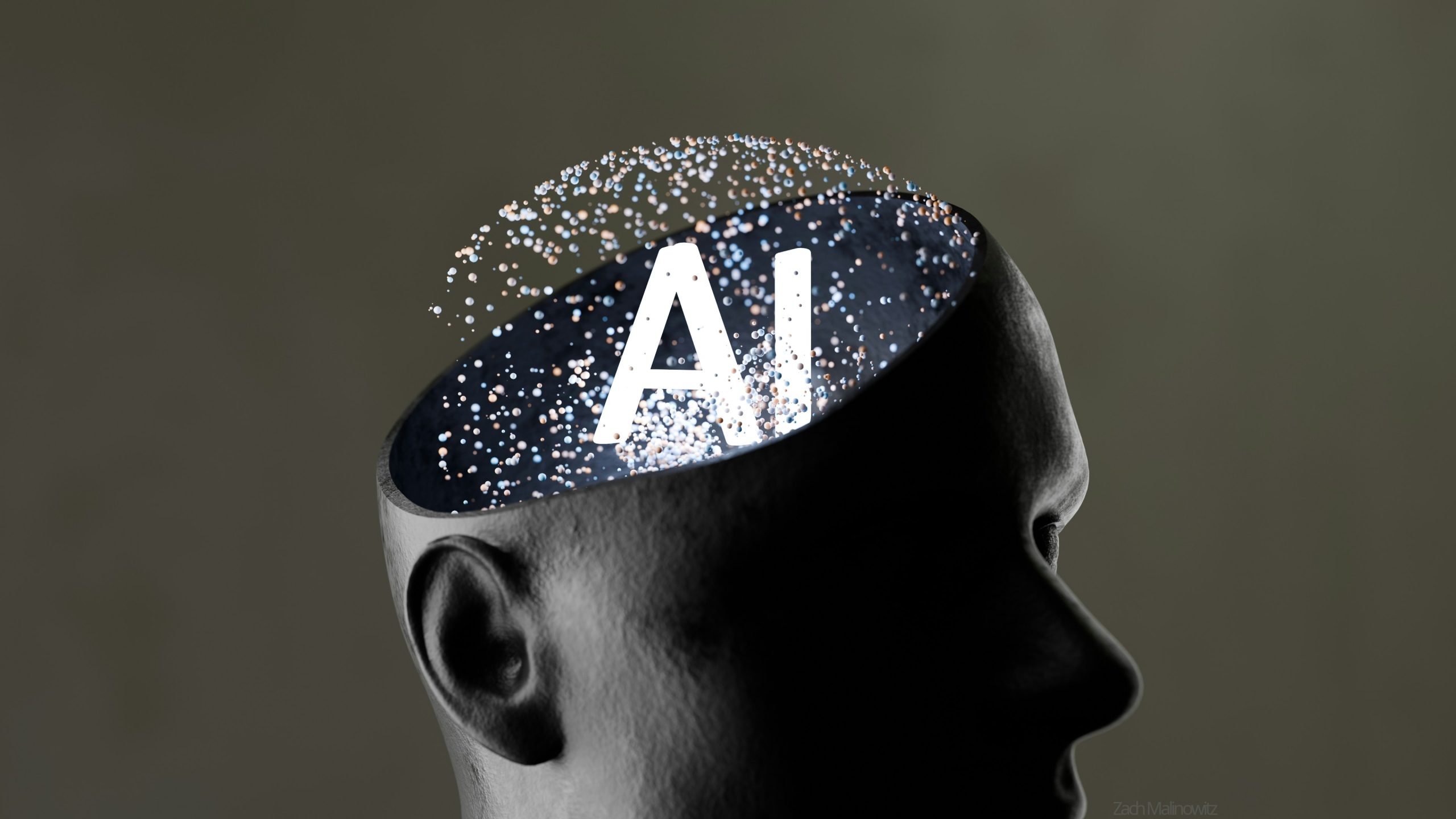
The Instinct-to-Instinct model that is the talk of Silicon Valley presents too small a future for personal AI. With Fulcra’s multiplayer capabilities, people can get agent to agent collaboration without having to lock-in to any AI model.
BOSTON, September 18, 2026 — Fulcra Dynamics, the company behind the best user-owned context backend for AI agents, today announced the capacity for universal agent to agent communications across peers and groups. Now anyone using any agent harness (Claude, ChatGPT, Hermes, OpenClaw, etc) can connect with Fulcra to enable inter-agent communication. This solution enables any user on any platform to instantly connect their agent with that of another person to manage complex interpersonal tasks like scheduling dinner or meetings, project planning, and more.
This represents a step-change from the current understanding of agent to agent communications. Today, many people have experienced “multiplayer” or agent-to-agent person communications primarily through the app Instinct wherein instinct agents can talk to other Instincts agents. Fulcra believes that approach is philosophically wrong as it creates lock-in to a model and way of operating that limits choice while creating security and trust concerns.
Instead, Fulcra developed its agentic communication system to encourage people to participate with the compatible agent of their choice including Hermes, Claude and OpenClaw. Therefore, people choose the level of security acceptable to them with toolset and UX that’s best fit for their life. Asking people to switch agents to communicate is monopolistic by nature. Allowing interoperability with any agent encourages personal agency aligned to whatever agentic talents most align with the tasks at hand and needs of the human.
“Instinct showed people that agent to agent communication can dramatically improve some aspects of our lives,” said Michael Tiffany, CEO and co-founder of Fulcra Dynamics. “But, locking in users provides a short term sugar rush that will ultimately crash when people realize they want and need more interoperability. I want freedom with my agent choices and I believe everyone deserves the freedom to choose their own agents AND the capacity to communicate between them. That’s why we built this universal feature in Fulcra.”
Fulcra provides more solutions for users than multiplayer mode (agent to agent communication). The product is also a context-focused infrastructure layer that stores data, normalizes it and puts it on a timeline. Therefore, the platform has a normalized, AI-native system for understanding data and changes to that data. Agents query Fulcra to find changes in context and then, with instruction, they can use those changes to accomplish tasks. That cycle can be driven by human-agent workflows or agent-to-agent workflows. This system supercharges agent to agent communication.
Now agents using Fulcra can not only communicate but they can do so with the relevant contextual information about the lives of the humans they represent. In practice, context sharing with multi-player communication looks like this: You’re visiting New York next week. Your Hermes agent knows you want to see Sarah and notices an evening that could work. With your permission, it asks her agent about dinner. Sarah needs to be home early. You’re staying downtown. The agents find somewhere you’d both enjoy, close enough for her to get home on time, and bring you a plan to approve. Then your afternoon meeting runs late. Your agent knows that moving dinner an hour later would make it impossible for Sarah, even if her calendar looks empty. The agents find another evening that works and bring you a revised plan to approve. Fulcra gives the agents shared situational awareness. They can consult the current plan and discover changes through context the participants choose to share. Sarah can share when she needs to leave without sharing the private reason. Being in a group doesn’t give everyone access to everything her agent knows.
Agent to agent communications using Fulcra can extend easily to more people, which is where harness lock-in becomes even more complicated. Every peer is not going to create a new agent account on a platform like Instinct, in order to communicate. For some it creates security and trust risks, while for others it’s a matter of comfort. With Fulcra groups can expand effortlessly, without harness switching, and importantly, the inter-group context sharing can improve the experience of sharing over time.
In practice, multi-player communication with context sharing in groups looks like this: Sarah wants to bring David. He’s heard plenty about agents. He hasn’t found a reason to start using one. David opens Sarah’s invitation and sees who invited him, the plan taking shape, and how an agent could help. The invitation helps him get started with an agent of his own and returns him to the plan already underway. His agent asks what it needs to help: whether that evening works, perhaps a food preference. He can answer directly and connect more context as it becomes useful. He gets dinner arranged with friends and an agent that has already done something for him. The next invitation builds on that experience. With their permission, their agents remember the place they liked and the preferences that made the evening work. A later trip creates another opportunity to get together. The agents can notice it and suggest a plan.
“The AI agent market is changing too quickly for users to build their lives around one agent,” said Brandon Creighton, CTO of Fulcra Dynamics. “Today’s best agent may not be tomorrow’s best agent. Users should be able to choose the agent that works best for a particular task and still have that agent access the context they own and communicate with other agents on their behalf. We believe in a future where agents should be interchangeable, where use cases are expandable, and where everyone has choice.”
Multiplayer mode is a shared, permissioned space where agents can communicate and coordinate while their users remain in the agents they already use. There is no new chat account or agent identity to create.
Fulcra is a platform that brokers exchanges and provides agents access only to the context and actions explicitly authorized by their owners. If you’re interested in using Fulcra, here are the steps to follow:
1. Direct your agent to: [https://www.fulcradynamics.com/product/start-for-free](https://www.fulcradynamics.com/product/start-for-free)
2. Once installed, instruct your agent to: “Use Fulcra to schedule dinner with <
3. Ask your agent to invite your friends, allowing them to join the plan through their own agents or start with one if they don’t have it yet.
4. The process continues autonomously as each friend coordinates with their agent, and the agents work on your behalf.
While dinners were used as primary examples, this model can be applied to various scenarios such as organizing a kid’s birthday party, work events, retreats, travel planning, and workplace meetings.
Other potential applications of Fulcra include:
– Travel coordination across travelers
– Project management within teams
– Household responsibilities and schedules coordination
– Customer-business communication
– Product development stakeholder interviews
With Fulcra, you have full control over your context, deciding which agents can access it and what others can see. You can revoke access, change agents, or transfer your context. If you switch agents, Fulcra ensures a seamless transition with all past interactions accessible.
Fulcra was developed by a team of security-focused professionals over four years. Its features include a Unified, User-Owned Context API, The Context Lake, Cross-Agent Continuity, Credential-Free Collaboration, and Full Transparency and Revocability.
Fulcra Dynamics, based in Boston, focuses on building user-owned context backends for AI agents. They aim to bring real-world data, knowledge, and ongoing agent work into a user-controlled context to enhance agent capabilities over time.
For media inquiries, contact Kristina Libby at kristina@fulcradynamics.com.
In conclusion, Fulcra offers a secure and user-controlled platform for AI agent collaboration, ensuring transparency, continuity, and user ownership of context.










Tokyo Drift: Crazy Taxi Takes on Japan in World Tour Expansion

Exciting News: Samsung Galaxy Phones Set to Receive One UI 9 Update

From Concept to Creation: The Power of Rapid Prototyping in Product Development

Empowering Agents: Fulcra’s Universal Multiplayer Experience

Apple Unveils Groundbreaking iOS 27.2 Developer Beta for iPhone

Huawei P20 Pro vs Samsung S9 Plus!

McLaren P34 to Replace Artura in 2028: A New Era Begins

Microsoft AI CEO Warns of Real AI Threats: Anthropic’s Role in Escalating Danger

ThreatsDay: Self-Rewriting Agents, Patched Flaws, and Insider SIM Swaps – A Roundup of 22 New Stories

EU Takes Action Against Instagram and Facebook for Violating Illegal Content Rules

Warning: Facebook Creators Face Monetization Loss for Stealing and Reposting Videos

Facebook Compliance: ICE-tracking Page Removed After US Government Intervention

Facebook’s New Look: A Blend of Instagram’s Style

Facebook and Instagram to Reduce Personalized Ads for European Users

InstaDub: Meta’s AI Translation Tool for Instagram Videos

Reclaim Your Account: Facebook and Instagram Launch New Hub for Account Recovery

Meta discontinues Messenger apps for Windows and macOS

Breaking Updates: Meta Connect 2025 Unveils Latest Developments
Huawei P20 Pro vs Samsung S9 Plus!

Huawei P20 vs P20 Pro vs iPhone 8 Plus vs S9 Battery Drain Test!

10 Android Mods that Change Everything

I used the first Android Phone in the World.

DOOGEE MIX 4 UNBOXING (PROTOTYPE)!

MYSTERY UNBOXING FROM SAMSUNG!

The Truth about Huawei P20 Pro – REAL Review

How to Love your Android Phone again.

The LG G7 has a Big Problem.
-
 Facebook11 months ago
EU Takes Action Against Instagram and Facebook for Violating Illegal Content Rules
-
 Facebook11 months ago
Warning: Facebook Creators Face Monetization Loss for Stealing and Reposting Videos
-
 Facebook11 months ago
Facebook Compliance: ICE-tracking Page Removed After US Government Intervention
-
 Facebook9 months ago
Facebook’s New Look: A Blend of Instagram’s Style
-
 Facebook9 months ago
Facebook and Instagram to Reduce Personalized Ads for European Users
-
 Facebook11 months ago
InstaDub: Meta’s AI Translation Tool for Instagram Videos
-
 Facebook10 months ago
Reclaim Your Account: Facebook and Instagram Launch New Hub for Account Recovery
-
 Apple11 months ago
Meta discontinues Messenger apps for Windows and macOS
