
Startups
Maximizing Cost Savings Through Strategic Carrier Partnerships

Article Overview
Essential Points to Remember
- Forming strategic partnerships with carriers can significantly reduce shipping costs.
- Collaborating with third-party logistics providers (3PLs) can offer discounted rates and streamline operations.
- Using shipping software can optimize carrier selection and improve cost efficiency.
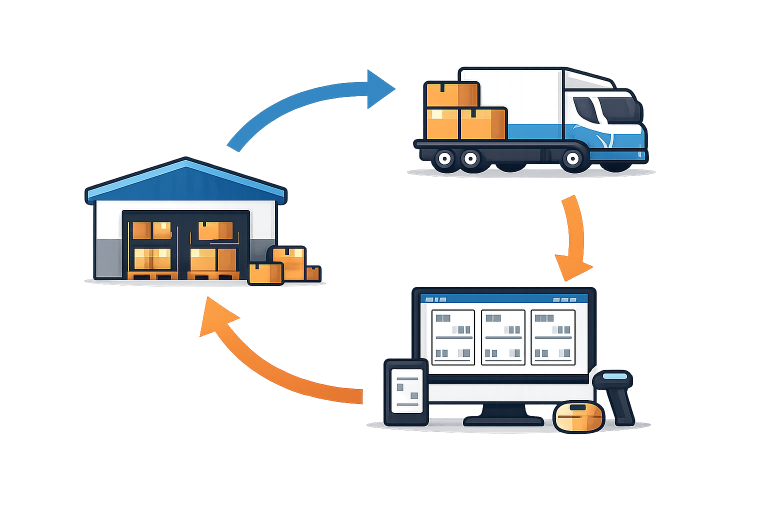
Managing shipping expenses has become a crucial issue for businesses that rely on consistent product movement. One of the most effective ways to tackle increasing logistics costs is through strategic carrier partnerships, which enable companies to align shipping volume, service levels, and negotiated agreements with various transportation providers. Instead of depending on a single carrier or ad hoc pricing, businesses can establish structured relationships that enhance predictability and cost efficiency while ensuring service reliability for different shipping requirements.
These partnerships often provide access to negotiated discounts, flexible service options, and data-driven rate optimization that supports long-term planning. Businesses analyze contract tiers and performance-based pricing models to identify sustainable savings opportunities, including beneficial UPS rates for small and medium businesses. By assessing carrier performance alongside cost structures, organizations can make informed decisions that balance affordability with delivery expectations without compromising operational consistency.
Negotiating Volume-Based Discounts
Many carriers offer better pricing terms for higher shipment volumes. By consolidating shipments and committing to larger, predictable volumes, businesses gain the leverage needed to negotiate discounts. According to a 2025 Drewry study, freight forwarders who regularly collaborate with carriers see average rates 14-20% below market spot prices. Arranging for volume-based discounts involves accurate shipment forecasts and close collaboration with sales and purchasing teams to identify stable shipping flows. This method not only reduces immediate costs but also supports long-term budgeting and planning within the organization.
Utilizing Third-Party Logistics (3PL) Providers
Engaging with 3PL providers can lead to shipping savings and streamlined operations. These companies often have established relationships with multiple carriers and can access group discounts not available to individual shippers. By entrusting logistics to a 3PL, businesses gain economies of scale, reduce administrative tasks, and free up internal resources to focus on growth rather than daily shipping challenges. Additionally, 3PLs can support rapid fulfillment and flexible service offerings, providing businesses an advantage in meeting diverse customer demands.
Using Shipping Software for Rate Comparison
With numerous carriers in the market, securing the best rate for each shipment can be challenging without technology. Shipping software allows real-time comparison of shipping rates across carriers and automates label creation, tracking, and reporting. Programs like ShipStation and Shippo not only streamline logistics operations but also help avoid costly manual errors and ensure compliance with shipping regulations. By continuously evaluating rate options before each shipment, companies maximize savings while enhancing reliability and efficiency in their supply chain.
Exploring Regional Carriers
National carriers may not always be the most cost-effective solution, particularly for shipments confined to specific geographies. Regional carriers often offer lower rates and faster delivery times for local orders. These specialized carriers can be more flexible, provide more competitive pricing in certain delivery zones, and offer higher service levels due to their focused area coverage. Integrating regional carriers into the shipping strategy can help businesses meet customer expectations for speed and cost.
Implementing Carrier Diversification
Relying on a single carrier can hinder operations and reduce leverage during contract negotiations. Diversifying across multiple shipping partners enables businesses to distribute risk, maintain continuous service during disruptions, and negotiate more favorable terms. Larger retailers are increasingly adopting this approach, optimizing their carrier relationships based on package size, destination, and speed. This strategy promotes agility and can result in incremental savings as carriers compete for a larger share of the business.
Regular Review and Optimization of Shipping Strategies
The shipping sector evolves rapidly, with market rates and carrier offerings subject to consistent change. Regular assessments of shipping agreements, performance metrics, and customer feedback help ensure that existing strategies remain competitive. A structured approach to performance evaluation and renegotiation gives companies the flexibility to update their shipping partners as circumstances or priorities change. This continuous optimization cycle is crucial to capturing new savings opportunities and maintaining strong carrier relationships.
Final Thoughts
Proactively managing carrier relationships is vital for long-term cost reduction in shipping. Whether through direct negotiations for volume-based discounts, leveraging 3PL providers’ infrastructure, deploying advanced shipping software, or incorporating regional and multiple carriers in the logistics mix, every step helps businesses control expenses and deliver added value to customers. Continuously reviewing and refining strategies ensures businesses remain agile, efficient, and profitable despite fluctuations in the shipping landscape.
Article Content













Oneplus 5T vs Pixel 2 XL vs S8 vs iPhone 8 Battery Charging Speed Test!

The Affordable Next-Gen Xbox: Debunking the $1,800 Price Tag

Revelation: A New Dawn in the Helldivers Universe

Battery Life Halved by Garmin’s New Voice Controls

Revolutionizing Energy: The Future of Next-Gen Battery Life

Warhound Secures $200M Investment to Develop Advanced Military Canines Equipped with Anduril Technology

No, the iPhone Duo isn’t a miniature device

Rebirth of Resilience: The Evolution of Crisis Management in the Digital Age

Australian Court Rules Against Apple’s App Store Monopoly

EU Takes Action Against Instagram and Facebook for Violating Illegal Content Rules

Warning: Facebook Creators Face Monetization Loss for Stealing and Reposting Videos

Facebook’s New Look: A Blend of Instagram’s Style

Facebook Compliance: ICE-tracking Page Removed After US Government Intervention

Facebook and Instagram to Reduce Personalized Ads for European Users

InstaDub: Meta’s AI Translation Tool for Instagram Videos

Reclaim Your Account: Facebook and Instagram Launch New Hub for Account Recovery

Meta discontinues Messenger apps for Windows and macOS

Breaking Updates: Meta Connect 2025 Unveils Latest Developments
Oneplus 5T vs Pixel 2 XL vs S8 vs iPhone 8 Battery Charging Speed Test!

MY NEW CAR?! (Q&A)

Should you buy your Smartphones Refurbished!?

6 Amazing SECRET Android Launchers (2017 / 2018)

6 Value for Money Tech Products you NEED to try!

iPhone X Helicopter 1200ft Drop Test!! + Mous Case Review

7 UNBELIEVABLE Smartphone Magic Tricks!

Oneplus 5T vs Oneplus 1 – 3 Years Later.

Top 20 BEST Smartphones of 2017!
-
 Facebook12 months ago
EU Takes Action Against Instagram and Facebook for Violating Illegal Content Rules
-
 Facebook1 year ago
Warning: Facebook Creators Face Monetization Loss for Stealing and Reposting Videos
-
 Facebook11 months ago
Facebook’s New Look: A Blend of Instagram’s Style
-
 Facebook1 year ago
Facebook Compliance: ICE-tracking Page Removed After US Government Intervention
-
 Facebook11 months ago
Facebook and Instagram to Reduce Personalized Ads for European Users
-
 Facebook1 year ago
InstaDub: Meta’s AI Translation Tool for Instagram Videos
-
 Facebook11 months ago
Reclaim Your Account: Facebook and Instagram Launch New Hub for Account Recovery
-
 Apple1 year ago
Meta discontinues Messenger apps for Windows and macOS
