
Security
The Accelerated Timeline of Cyberthreats: NSA Issues Urgent Warning

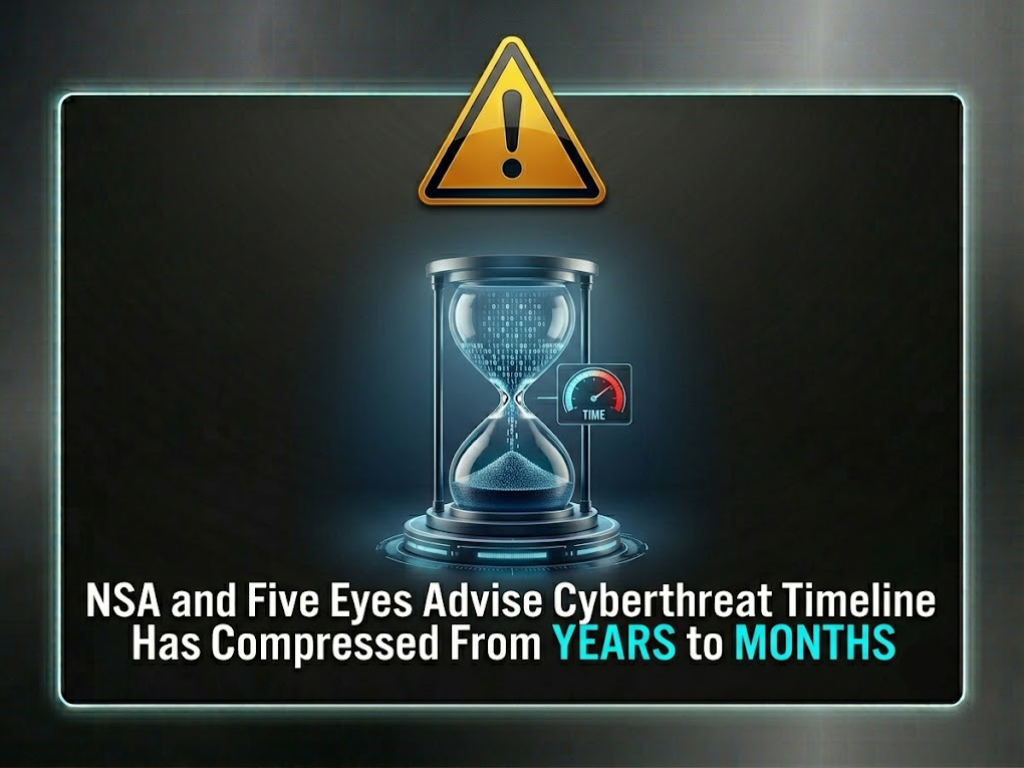
The Urgent Warning from the NSA and Its Five Eyes Allies
On June 22, 2026, the National Security Agency (NSA) issued a critical warning in collaboration with its international intelligence allies, known as the Five Eyes, which include the cybersecurity agencies of the United States, the United Kingdom, Canada, Australia, and New Zealand. The joint statement emphasized the rapidly evolving landscape of advanced offensive hacking capabilities, highlighting that the timeline for these threats impacting network defense has significantly shortened from years to months.
The NSA and its partners raised concerns about the emergence of frontier AI models, which have significantly reduced the technical barriers for cybercriminals. These cutting-edge technologies enable attackers to discover vulnerabilities at an accelerated pace, leading to quicker and more widespread exploitation of weaknesses. As a result, the traditional window of time available for defenders to address security flaws before an attack occurs has drastically shrunk. The NSA underscored the importance of reframing cyber risk as a critical business risk that demands active management from leadership teams and executive boards to ensure operational continuity.
The Evolving Threat Horizon
Looking ahead, organizations must prepare for network breaches as AI systems continue to evolve, unveiling previously unknown zero-day vulnerabilities. Traditional security perimeters are becoming increasingly inadequate against machine-speed exploits. The NSA’s joint statement emphasized the need for proactive measures, stating that “cyber risk assumptions can quickly become outdated, necessitating prompt action and readiness to counter evolving threats.”
Crucial Actions Recommended by the NSA
- 1. Reduce Your Attack Surface: Minimize external connectivity and unnecessary system access, evaluating the exposure of systems and segregating those deemed unnecessary.
- 2. Accelerate Patching Procedures: Prioritize security updates to address vulnerabilities swiftly, as AI advancements expedite the discovery and exploitation of flaws.
- 3. Handle Legacy Systems: Address unsupported systems that pose strategic risks and liabilities rather than just technical debt.
- 4. Review and Strengthen Identity and Access Controls: Enforce stringent verification measures to limit access to critical assets, implement robust authentication protocols, and regularly audit user permissions.
- 5. Prepare for Incidents Before They Occur: Conduct regular defensive simulation exercises to enhance preparedness for potential network breaches, focusing on minimizing operational disruptions and swiftly containing threats.
Key Insights and Recommendations
In conclusion, the NSA stresses the urgency for organizations to adopt a proactive approach in response to the accelerated cyber threats driven by AI advancements. Success in mitigating these risks lies in mastering foundational security practices, swift action, and the integration of cybersecurity into core business strategies. As the organization succinctly puts it, “Effective resilience stems from fundamental practices and timely responses, aligning cyber security with business imperatives.”













Unleashing the Power of the Galaxy Tab S12 Ultra: A 24-Hour Journey with Multiple Expletives

Startup Safety: The Ultimate Guide to Protecting Your Business as a First-Time Founder

Insights from AI Experts: Evaluating Trump’s latest safety initiative

California Highway Patrol Unveils Last Chevrolet Camaro in Fleet

Revolutionizing Home Entertainment: The Fire TV Stick 4K’s Power-Saving Feature

Arkansas Semiconductor Institute: Pioneering Innovation in Technology

The Isle of Beautiful Monsters: A First-person RPG Adventure

The Genius Unhackable Samsung Phone: Unveiling Two Major Weaknesses

Google Pixel Watch 5: Pour Another Round

EU Takes Action Against Instagram and Facebook for Violating Illegal Content Rules

Warning: Facebook Creators Face Monetization Loss for Stealing and Reposting Videos

Facebook’s New Look: A Blend of Instagram’s Style

Facebook Compliance: ICE-tracking Page Removed After US Government Intervention

Facebook and Instagram to Reduce Personalized Ads for European Users

InstaDub: Meta’s AI Translation Tool for Instagram Videos

Reclaim Your Account: Facebook and Instagram Launch New Hub for Account Recovery

Meta discontinues Messenger apps for Windows and macOS

Breaking Updates: Meta Connect 2025 Unveils Latest Developments

Unboxing the First Ever Samsung Galaxy S!!

Huawei P Smart – Huawei’s new Killer Budget Smartphone!

MYSTERY Package from Xiaomi – HUGE UNBOXING!

5 ways you’re using your Smartphone wrong.

THE INSANE DUAL BATTERY SMARTPHONE!

ELEPHONE U PRO UNBOXING AND REVIEW!

Mrwhosetheboss – 1 Million Subscribers

The Surprising TRUTH about Samsung – 15 things you did not know.

10 Incredible Android DIY Hacks!
-
 Facebook11 months ago
EU Takes Action Against Instagram and Facebook for Violating Illegal Content Rules
-
 Facebook12 months ago
Warning: Facebook Creators Face Monetization Loss for Stealing and Reposting Videos
-
 Facebook10 months ago
Facebook’s New Look: A Blend of Instagram’s Style
-
 Facebook12 months ago
Facebook Compliance: ICE-tracking Page Removed After US Government Intervention
-
 Facebook10 months ago
Facebook and Instagram to Reduce Personalized Ads for European Users
-
 Facebook12 months ago
InstaDub: Meta’s AI Translation Tool for Instagram Videos
-
 Facebook10 months ago
Reclaim Your Account: Facebook and Instagram Launch New Hub for Account Recovery
-
 Apple12 months ago
Meta discontinues Messenger apps for Windows and macOS
