
Tech News
Revolutionizing Your Business: A Comprehensive Guide to Enterprise Application Modernization in 2026

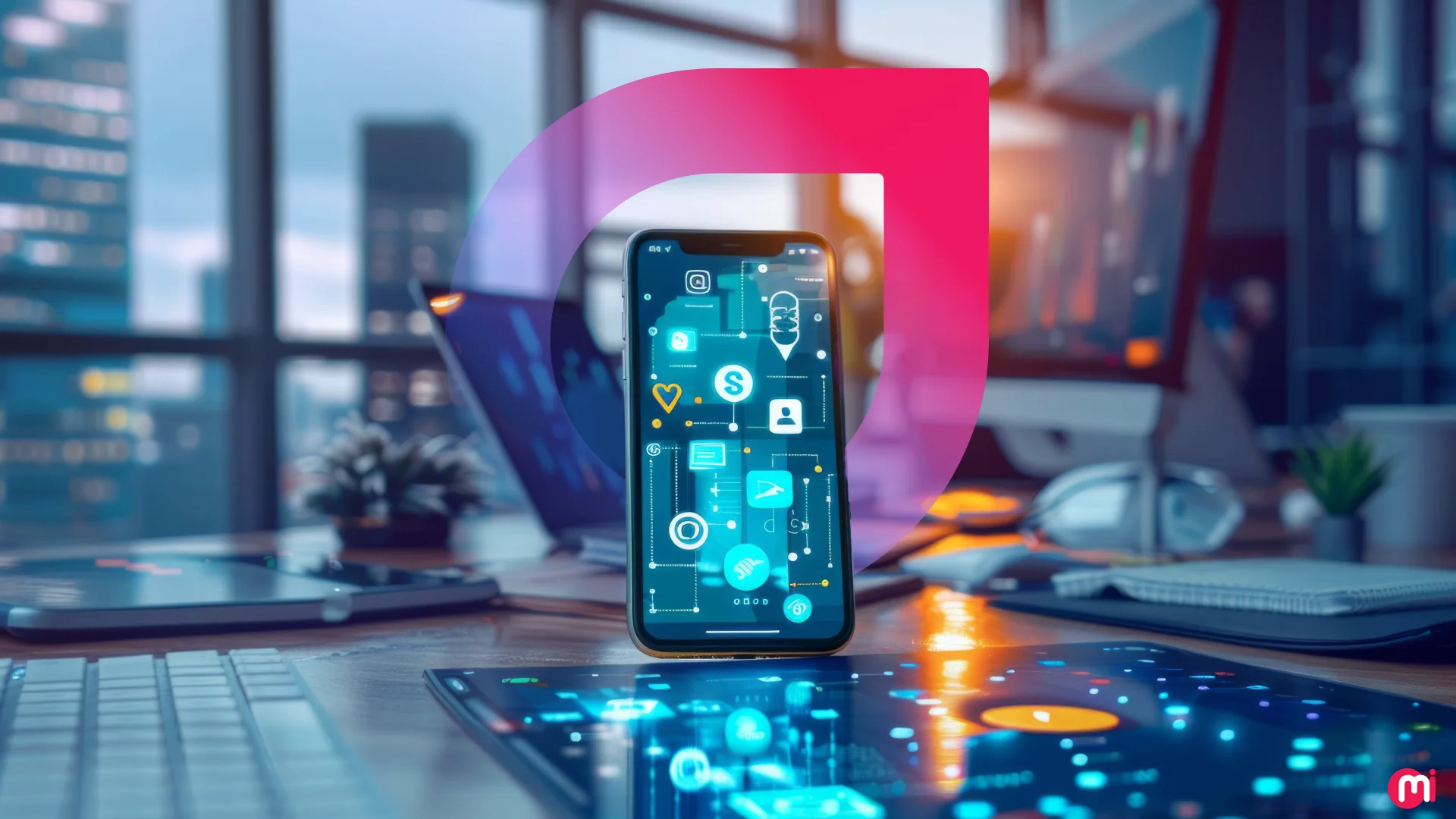
Application modernization is a strategic evolution that involves upgrading legacy applications to align with current business needs and modern technology standards. This process transforms outdated systems into flexible, efficient, and scalable solutions that are more secure and easier to maintain.
In today’s digital landscape, enterprise application modernization often includes transitioning from monolithic architectures to microservices and adopting a cloud-first model. This approach enables organizations to enhance agility, scalability, and performance.
For example, consider an online store using an outdated, all-in-one system that crashes during peak traffic times. By modernizing to a microservices architecture, the store can scale specific parts of the application, like the checkout process, during busy periods. This ensures the site runs smoothly and saves costs by only utilizing additional resources when necessary.
Unlike routine updates that offer minor fixes, application modernization involves making significant changes to the core infrastructure of the application. This comprehensive transformation goes beyond simple patches to create a more agile, scalable, and future-ready system capable of supporting modern demands like AI and real-time data.
Enterprise Application Modernization: Step-by-Step Process
1. Application Inventory and Assessment: Begin by assessing the current state of your system to identify areas that need improvement. This involves auditing technical debt, evaluating pain points, and defining success metrics.
2. Choosing the Right “R” Strategy: Decide on the best modernization strategy based on your budget, time constraints, and business goals. Options include retiring or retaining applications, rehosting or replatforming to the cloud, refactoring or rearchitecting specific parts of the code, or replacing the entire system.
3. Defining the Target Architecture: Design the blueprint for your new system, focusing on moving to microservices, adopting cloud-native tools, and planning for APIs to ensure seamless integration with modern technologies.
4. Incremental Execution: Modernize your application in small stages, starting with simple features and gradually moving to more complex components. Run both old and new systems together to ensure a smooth transition.
5. Continuous Testing and Optimization: Test the final version of your modernized application on live servers, onboard your team with proper training, and monitor performance to identify and address any issues promptly.
Future Trends in Enterprise Application Modernization
1. Leveraging AI for Application Modernization: Integrating AI tools can automate complex tasks, analyze data, and make smarter decisions in real-time, enhancing the efficiency and effectiveness of modernized applications.
2. Integrating Big Data Analytics: Modern applications leverage big data tools to process and analyze vast amounts of information, uncovering valuable insights and growth opportunities that were previously hidden in legacy systems.
3. Convergence of IoT: By connecting applications to IoT devices, businesses can gain real-time insights into their operations, automate processes, and improve efficiency through data-driven decision-making.
4. Cloud-First Approach: Building applications with a cloud-first approach allows for rapid scalability, cost-efficiency, and flexibility, enabling businesses to adapt quickly to changing market conditions and customer demands.
5. Mobile-First Design: Prioritizing mobile design ensures that applications are optimized for smartphones and tablets, providing a seamless user experience on smaller screens and accommodating the increasing mobile traffic.
Role of AI in Application Modernization
AI tools play a crucial role in application modernization by automating tasks such as code conversion, smart testing, and auto updates. These tools save time, reduce the risk of errors, and ensure a smooth transition to modernized systems.
How MindInventory Stands Out as an Application Modernization Partner
MindInventory is a trusted technology partner that offers cutting-edge application modernization services to businesses worldwide. With a focus on strategic consultation, technical assessments, and seamless execution, MindInventory ensures successful modernization of legacy systems.
FAQs About Enterprise App Modernization
– What is application modernization?
Application modernization is the process of upgrading legacy applications to align with current tech standards and business needs, transforming rigid systems into flexible, cloud-ready solutions.
– What are application modernization services?
Application modernization services provide expertise and tools to transform outdated legacy systems into high-performance digital assets, enabling businesses to transition to a more efficient infrastructure that supports rapid scaling and continuous innovation.
– Why should you modernize instead of just buying a new application?
Modernization preserves unique business logic and custom data while upgrading the foundation, offering a cost-effective and less disruptive solution compared to starting from scratch with a generic platform.











How Smart is the AI-Powered Huawei Mate 10 – with EMUI 8.0?

Reviving the Legacy: Porsche Mission S Unveils Carrera GT-Inspired Gauge Cluster

Navigating the New Normal: Satya Nadella’s Journey in the Post-COVID World of Microsoft

Persona 4 Reborn: Unveiling Naoto Shirogane’s Return in New Trailer

Unveiling the Powerhouse: Xiaomi 18 Pro Max Global Leak Exposes Impressive Performance Features

Breaking News: Android U-Turn Officially Confirmed by Tech Advisor

Strategies for Building a Successful Home Services Franchise System: Driving Growth and Scalability

Apple and LG Unveil Game-Changing ‘Tap to Control’ HomeKit Features

The Surprising Decision: Tim Cook’s Early Departure Before iPhone Duo Launch

EU Takes Action Against Instagram and Facebook for Violating Illegal Content Rules

Warning: Facebook Creators Face Monetization Loss for Stealing and Reposting Videos

Facebook’s New Look: A Blend of Instagram’s Style

Facebook Compliance: ICE-tracking Page Removed After US Government Intervention

Facebook and Instagram to Reduce Personalized Ads for European Users

InstaDub: Meta’s AI Translation Tool for Instagram Videos

Reclaim Your Account: Facebook and Instagram Launch New Hub for Account Recovery

Meta discontinues Messenger apps for Windows and macOS

Breaking Updates: Meta Connect 2025 Unveils Latest Developments
How Smart is the AI-Powered Huawei Mate 10 – with EMUI 8.0?

I used a 2012 Smartphone in 2018 – Here’s what happened.

How to send ANY file Anywhere!

NEW Oneplus 5T Sandstone White Unboxing – The Ultimate Oneplus 5T?

HUAWEI P20 – THE SMARTPHONE REVOLUTION IS HERE?

How OnePlus succeeded when they should have failed.

Samsung sent us THIS! #AD

Ulefone Power 3 – Quad Camera Smartphone that last 2 weeks!

EPIC Smartphone FAILS that people will never forget.
-
 Facebook12 months ago
EU Takes Action Against Instagram and Facebook for Violating Illegal Content Rules
-
 Facebook12 months ago
Warning: Facebook Creators Face Monetization Loss for Stealing and Reposting Videos
-
 Facebook10 months ago
Facebook’s New Look: A Blend of Instagram’s Style
-
 Facebook12 months ago
Facebook Compliance: ICE-tracking Page Removed After US Government Intervention
-
 Facebook10 months ago
Facebook and Instagram to Reduce Personalized Ads for European Users
-
 Facebook12 months ago
InstaDub: Meta’s AI Translation Tool for Instagram Videos
-
 Facebook10 months ago
Reclaim Your Account: Facebook and Instagram Launch New Hub for Account Recovery
-
 Apple12 months ago
Meta discontinues Messenger apps for Windows and macOS
