
Startups
The Power of Reputation: How a Few Words Can Define a Legacy

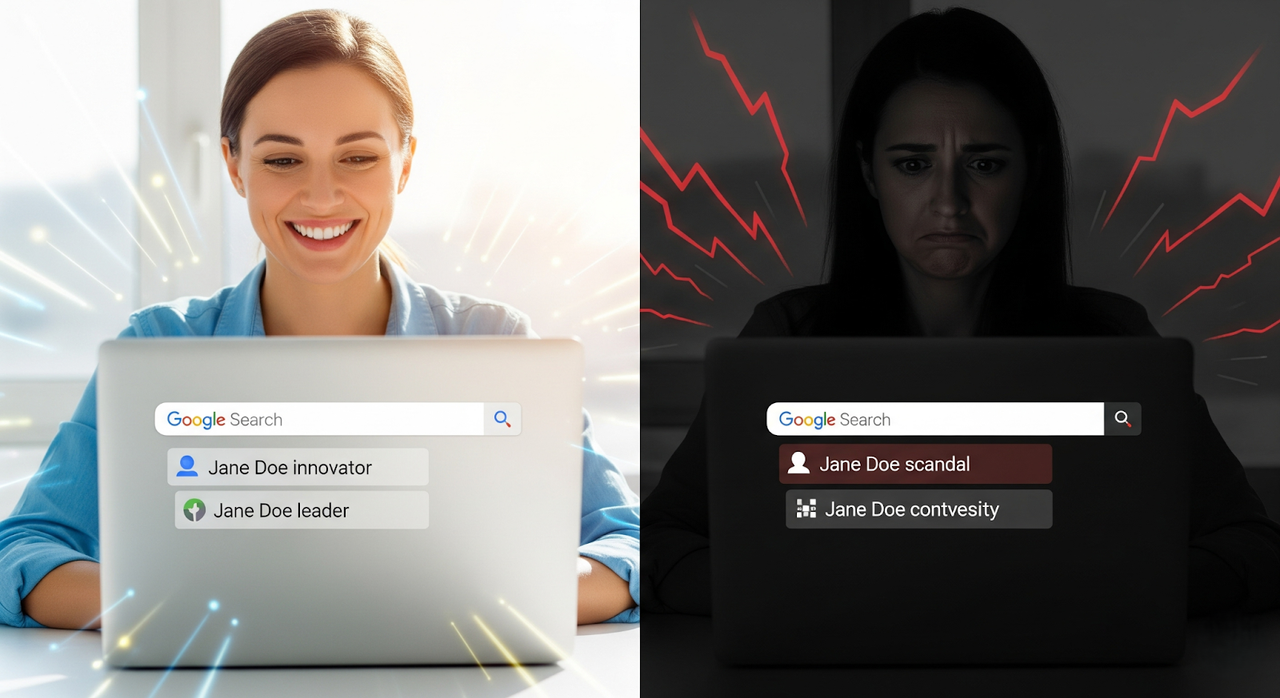
When you start typing a few letters into Google, the search bar suggests completions for your query. This feature, known as Autocomplete, is a time-saving tool for most users. However, for individuals and businesses, the suggested words can have significant consequences. A single negative phrase associated with a name can quickly influence how others perceive you without even clicking on the search results.
The Functionality of Autocomplete
Autocomplete generates search predictions based on various factors:
- Popular searches made by other users
- Location and language settings
- Previous search behavior
For instance, if you type “best restaurants,” the suggestions may include “best restaurants near me” or “best restaurants in New York.” While the tool feels intuitive, the suggestions are not random; they are based on patterns extracted from billions of searches.
Therefore, if a significant number of people search for “Brand X complaints,” Google may start suggesting that phrase to everyone.
Significance of Autocomplete
Autocomplete goes beyond just convenience. Studies reveal that 61% of users click on one of the suggested options. In practice, this means that a suggestion can shape people’s perceptions of a business even before they view the first search result.
If the suggestion includes terms like scam, lawsuit, or problems, the negative impact is immediate. Trust diminishes, clicks decrease, and unfavorable narratives spread rapidly.
Functionality of the Autocomplete Algorithm
Google’s Autocomplete system has evolved over time. Earlier versions primarily matched keywords without much context. Today, advancements like RankBrain and BERT enable the algorithm to consider meaning, intent, and relevance.
The suggestions now take into account more than just search volume; they analyze patterns, recent trends, and regional interests. This makes Autocomplete a potent tool but also unpredictable.
We earn a commission if you make a purchase, at no additional cost to you.
Challenges Faced by Businesses
Businesses do not have direct control over Autocomplete. Google only allows removals in cases involving hate speech, explicit content, or clear policy violations. This leaves companies to influence perception through indirect methods.
Common obstacles include:
- Negative terms outranking neutral ones
- Slow response to detrimental trends
- Limited internal monitoring of suggestions
In the absence of proactive management, negative associations can persist for extended periods.
Strategies to Counteract Negative Autocomplete Suggestions
While it is not possible to immediately remove negative phrases, there are steps that can be taken to influence the suggestions users see.
Effective strategies include:
- Regularly monitoring suggestions using tools like Google Trends or Ubersuggest
- Creating positive, keyword-rich content that competes with harmful terms
- Encouraging genuine reviews and testimonials to alter search behavior
- Swiftly responding to customer feedback to mitigate negative conversations
The more consistent and credible the positive signals, the less likely harmful Autocomplete results will dominate the search suggestions.
Ethical and Legal Considerations
There exists a delicate balance between managing reputation and manipulating it. Engaging in practices like fabricating reviews or artificially suppressing criticism can backfire, leading to diminished trust or potential legal repercussions.
The recommended approach is transparency: acknowledging mistakes, showcasing improvements, and fostering authentic dialogue with customers. Autocomplete reflects public interest, and brands that address issues transparently are more likely to reshape the narrative in the long run.
Future Outlook for Autocomplete
Google continues to enhance Autocomplete with increased personalization. Factors such as past searches, location, and device history already influence suggestions. Future updates may further tailor results to individual users.
This personalized approach means that reputations will not solely rely on global trends but also on local and personal preferences. While personalization can enhance relevance, it also introduces risks of bias, misinformation, and enduring reputational damage if negative suggestions gain prominence.
Key Takeaway
Google Autocomplete is often underestimated, yet a few words in that dropdown list can significantly shape how individuals perceive a person or brand. A negative phrase can easily become the focal point for people’s impressions.
While businesses cannot directly control Autocomplete, they can influence it by monitoring, responding promptly, and creating authentic and valuable content. In today’s search-driven environment, reputation often forms even before a user hits “Enter.”











Streaming Wars: Disney+ and Hulu Increase Subscription Fees in 2026

The Surprising TRUTH about Samsung – 15 things you did not know.

McLaren’s Legacy: The Remuera and Muriwai Trademarks

Cloudscape Chronicles: A Fumito Ueda-inspired Parkour Adventure

Rising Prices: Samsung Galaxy Tab S12 and Xiaomi Pad 9 Series

Uncovering the Hidden Profit Potential: Startup Lessons from Healthy Averages

Apple’s Costly Conundrum: $5.7 Billion Damages for Haptic Patent Infringement

Snack Time and Screen Time: Free Peanuts and Fresh Shows

The Ultimate BMW N62 V8 Engine Handbook: Troubleshooting, Performance Upgrades, and Durability

EU Takes Action Against Instagram and Facebook for Violating Illegal Content Rules

Warning: Facebook Creators Face Monetization Loss for Stealing and Reposting Videos

Facebook’s New Look: A Blend of Instagram’s Style

Facebook Compliance: ICE-tracking Page Removed After US Government Intervention

Facebook and Instagram to Reduce Personalized Ads for European Users

InstaDub: Meta’s AI Translation Tool for Instagram Videos

Reclaim Your Account: Facebook and Instagram Launch New Hub for Account Recovery

Meta discontinues Messenger apps for Windows and macOS

Breaking Updates: Meta Connect 2025 Unveils Latest Developments
The Surprising TRUTH about Samsung – 15 things you did not know.

10 Incredible Android DIY Hacks!

Does a Cheap 2018 Smartphone beat a 2013 Flagship?

Samsung Galaxy S9 & S9+ UNBOXING!

Samsung Galaxy S9 Plus vs iPhone X

The BEST $300 Phone (2018) ft. MKBHD, Technical Guruji, iJustine + More

Samsung Galaxy S9 Plus Gaming Review! (vs OnePlus 5T)

THE BEST PHONE HTC EVER MADE?

The Truth about Google?
-
 Facebook11 months ago
EU Takes Action Against Instagram and Facebook for Violating Illegal Content Rules
-
 Facebook12 months ago
Warning: Facebook Creators Face Monetization Loss for Stealing and Reposting Videos
-
 Facebook10 months ago
Facebook’s New Look: A Blend of Instagram’s Style
-
 Facebook12 months ago
Facebook Compliance: ICE-tracking Page Removed After US Government Intervention
-
 Facebook10 months ago
Facebook and Instagram to Reduce Personalized Ads for European Users
-
 Facebook12 months ago
InstaDub: Meta’s AI Translation Tool for Instagram Videos
-
 Facebook10 months ago
Reclaim Your Account: Facebook and Instagram Launch New Hub for Account Recovery
-
 Apple11 months ago
Meta discontinues Messenger apps for Windows and macOS
