
Gadgets
5 Simple Steps to Green Your Smartphone


How to Reduce the Environmental Impact of Your Smartphone
The smartphone market is constantly evolving, with new models being released frequently. This rapid turnover is not only overwhelming but also detrimental to the environment. The production, use, and disposal of smartphones contribute to significant emissions and environmental damage.
Energy consumption remains high, especially with the growing demand for data centers to support advanced AI features. Additionally, the improper disposal of smartphones leads to an accumulation of electronic waste, releasing toxic substances into the environment.
While it may not be practical for everyone to switch to a basic phone, there are ways to minimize the environmental impact of your smartphone use. Here are some simple steps you can take:
1. Extend the Lifespan of Your Device
Instead of upgrading your phone every year, consider keeping it for a longer period. Evaluate the reasons behind your desire for a new device and resist the urge to upgrade unnecessarily. Waiting before making a purchase decision can help you determine if you truly need a new phone.
When buying a new phone, opt for a retailer with a good return policy. This way, if you are dissatisfied with the device, you can return it for a refund, allowing it to be refurbished and resold.
Image credit: Anyron Copeman / Foundry
Consider implementing a “cooling off” period before making any significant purchases to avoid impulse buying.
2. Consider Refurbished Devices
Buying a refurbished phone is a more environmentally friendly option compared to purchasing a new device. Refurbished phones undergo professional checks to ensure they are in working condition. Sites like Back Market, MusicMagpie, and CeX offer refurbished phones at lower prices.

Image credit: David Price / Foundry
Refurbished phones not only help reduce electronic waste but are also cost-effective.
3. Choose Repairable Devices
Look for smartphones that are designed for easy repair and maintenance. Companies like Fairphone prioritize repairability, allowing users to replace parts like batteries and displays easily. This approach extends the lifespan of the device and reduces the need for frequent upgrades.

Image credit: Thomas Deehan / Foundry
4. Prioritize Long Software Support
Choose smartphones that offer extended software support to ensure your device remains secure and functional for a longer period. Manufacturers like Samsung and Apple provide several years of security updates, reducing the need for frequent replacements.
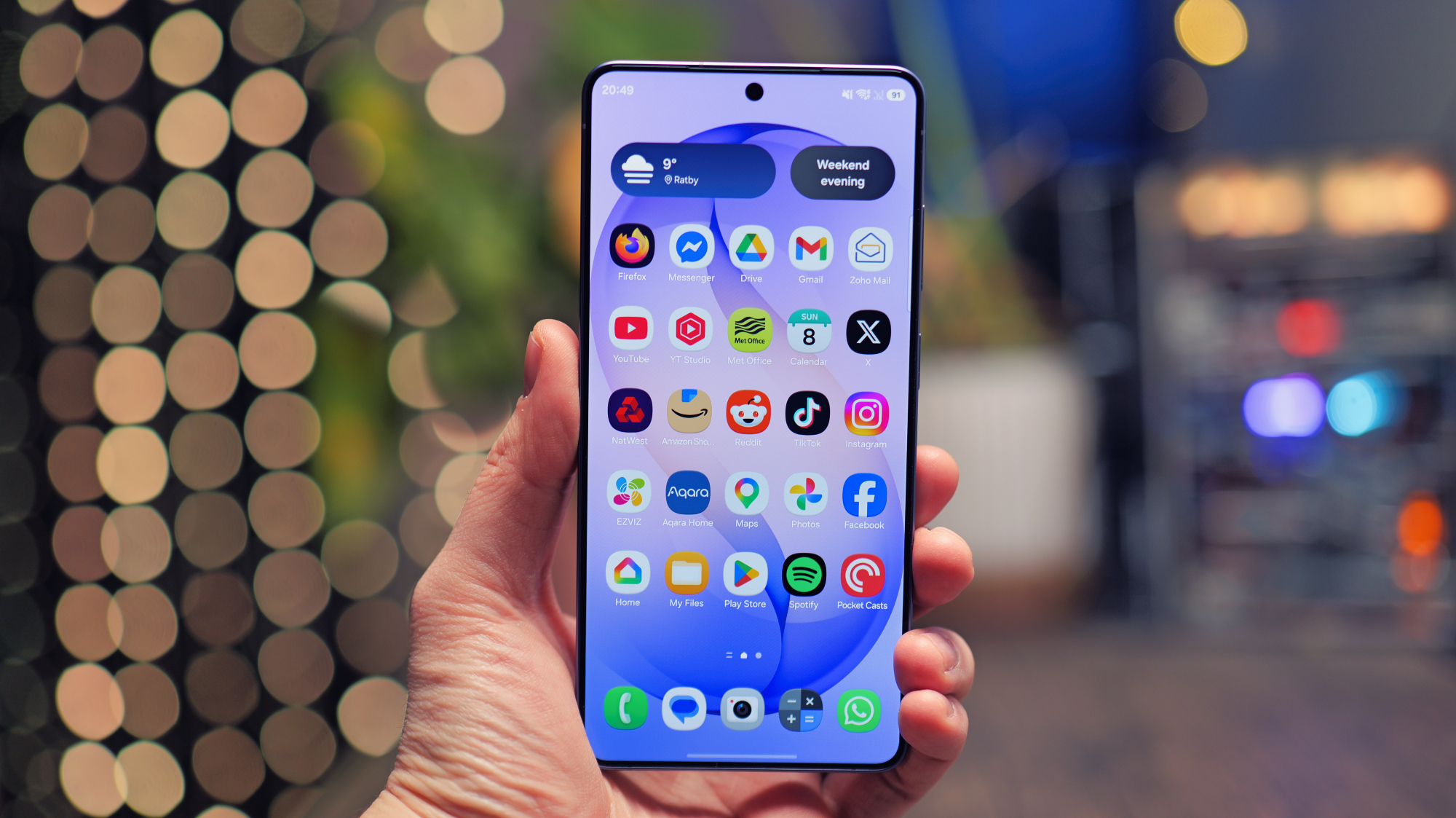
Image credit: Luke Baker
5. Recycle Responsibly
When it’s time to dispose of your old phone, opt for responsible recycling methods. Many manufacturers and retailers offer trade-in programs where you can exchange your old device for credit. Alternatively, certified recycling centers can ensure proper disposal of electronic waste.

Image credit: Foundry
By making small changes in how we approach smartphone usage, we can collectively reduce the environmental impact of these devices. While significant changes are necessary at a larger scale, individual actions can contribute to a more sustainable future.
Remember, every effort counts in preserving our planet for future generations.













The Changing Landscape of AI Talent in Britain: A Future Recalculated

Sweating the Details: How Apple is Raising the Bar with iOS 27

The Truth about Huawei P20 Pro – REAL Review

Speeding Through 749 Kilometers at 90 Kilometers per Hour

Seattle Tech Leaders Unite for Unified Regional Strategy

UNSEEN’s Resilient Team: KEMURI’s XBOX Skipping Saga

Unveiling the Threat: How Android Malware Invades Privacy by Taking Covert Photos

Disrupting the Status Quo: Cornelis Secures $205M to Challenge Nvidia’s Reign in AI Infrastructure

Fortify Your Home: Apple Home’s Advanced Security Camera Subscription for $60/Month

EU Takes Action Against Instagram and Facebook for Violating Illegal Content Rules

Warning: Facebook Creators Face Monetization Loss for Stealing and Reposting Videos

Facebook Compliance: ICE-tracking Page Removed After US Government Intervention

Facebook’s New Look: A Blend of Instagram’s Style

Facebook and Instagram to Reduce Personalized Ads for European Users

InstaDub: Meta’s AI Translation Tool for Instagram Videos

Reclaim Your Account: Facebook and Instagram Launch New Hub for Account Recovery

Meta discontinues Messenger apps for Windows and macOS

Breaking Updates: Meta Connect 2025 Unveils Latest Developments
The Truth about Huawei P20 Pro – REAL Review

How to Love your Android Phone again.

The LG G7 has a Big Problem.

The most Beautiful Android Games you’ve never played.

Charge your Smartphone in 5 Minutes – How Batteries are about to Change!

10 CHEAP Smartphone Gadgets that Change Everything.

Huawei Mobile Cloud – The Huawei P20 Feature you didn’t know about!

PUBG MOBILE on Android – Disastrous or Revolutionary?

Why you should buy the Galaxy S8 right now.
-
 Facebook11 months ago
EU Takes Action Against Instagram and Facebook for Violating Illegal Content Rules
-
 Facebook11 months ago
Warning: Facebook Creators Face Monetization Loss for Stealing and Reposting Videos
-
 Facebook11 months ago
Facebook Compliance: ICE-tracking Page Removed After US Government Intervention
-
 Facebook9 months ago
Facebook’s New Look: A Blend of Instagram’s Style
-
 Facebook9 months ago
Facebook and Instagram to Reduce Personalized Ads for European Users
-
 Facebook11 months ago
InstaDub: Meta’s AI Translation Tool for Instagram Videos
-
 Facebook9 months ago
Reclaim Your Account: Facebook and Instagram Launch New Hub for Account Recovery
-
 Apple11 months ago
Meta discontinues Messenger apps for Windows and macOS
