
Mobile Tech
Decoding the Impact of Apple’s Actions

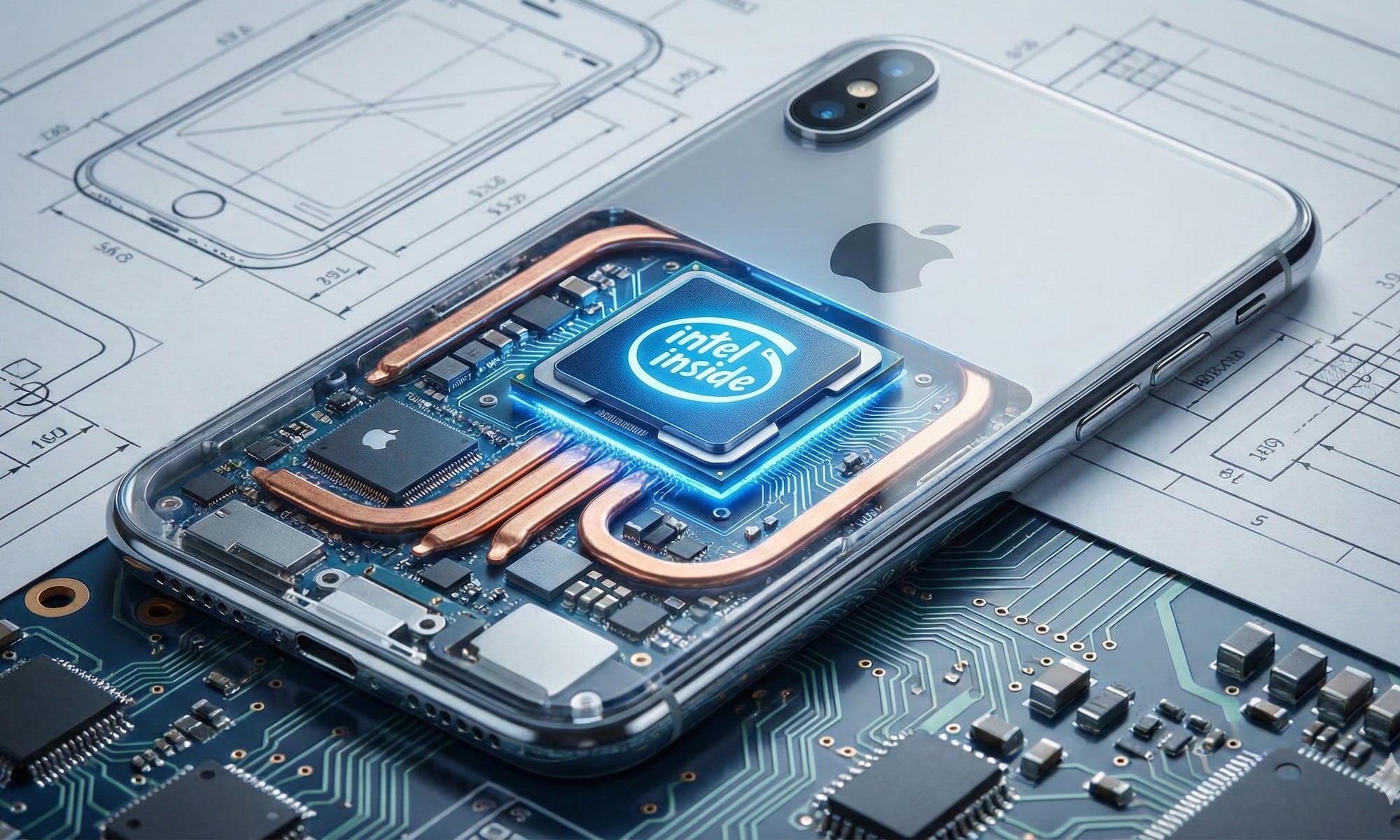
Apple’s collaboration with Intel in chip manufacturing is progressing rapidly, surpassing analysts’ expectations. Recent reports indicate that Intel’s foundries in the US have already commenced chip production as part of this partnership.
Just days after the official announcement between Apple and Intel, news surfaced that production has already begun, contrary to earlier speculations of being in the early stages. While discussions with Samsung for a similar partnership are ongoing, the deal with Intel has already been finalized, marking a significant development in the tech industry.
Renowned analyst Ming-Chi Kuo initially disclosed Intel’s involvement in producing low-end M-series chips for Apple, possibly debuting in the 2027-28 Mac lineup. Subsequent reports confirmed Intel’s trial production of “low-end/legacy iPhone, iPad, and Mac processors,” with a predominant focus on iPhone chips, aligning with Apple’s sales strategy for lower-tier devices.
The production cycle is gearing towards the 2027 device lineup, particularly the M7 and A20 chips, as predicted by industry experts. Intel’s utilization of its 18A-P nodes signifies a shift towards advanced-node technologies for efficient chip fabrication.
Although full-scale production for consumer devices is not imminent, Intel is conducting trial runs to ensure the delivery of high-quality chips meeting Apple’s standards. The company has initiated multiple product lines simultaneously, indicating a rigorous validation process for Intel’s foundry capabilities.
Notably, Intel aims for a 50-60% yield level by 2027, with potential “binned” versions for lower-tier devices, showcasing Apple’s strategic planning for chip supply diversification. Despite Intel’s growing role, TSMC remains Apple’s primary chip supplier, accounting for over 90% of chip production for Apple devices.
Amidst increasing competition for advanced node capacity at TSMC, Apple’s partnership diversification reflects a strategic response to evolving market dynamics. The AI-centric chip demand from competitors like Google and Nvidia has prompted TSMC to prioritize higher-margin products, necessitating Apple’s exploration of alternative chip suppliers.
While TSMC has been a reliable partner for Apple’s high-end chip requirements, the evolving landscape necessitates adaptation, leading to collaborations with Intel and Samsung. The shift towards AI-driven technologies underscores the need for Apple to adapt and innovate in a competitive market environment.
Overall, Apple’s strategic moves in chip manufacturing underscore its commitment to technological advancement and market competitiveness. The evolving partnerships with Intel and Samsung signal a transformative phase in Apple’s chip supply chain, ensuring resilience and innovation in a rapidly changing industry landscape.












MYSTERY Package from Xiaomi – HUGE UNBOXING!

BYD’s Second-Generation Seal 07 Sedan: Bigger and Better than Ever in China

Reflections on the Gig Economy: The Legacy of Amazon’s Mechanical Turk

Concerns Surrounding Potential Overhaul of Galaxy S27 Ultra Cameras

Revolutionizing Success: A Comprehensive Guide to Strategic Framework for Startups in 2026

Unveiling Google’s Latest: Introducing the Pixel 11A

Google Resolves Bug Causing iPhone Apps to Crash

Eye-catching Orange Mercedes-AMG One Turns Heads in Geneva

Ragnarok Approaches: Pre-order God of War Laufey on September 29th

EU Takes Action Against Instagram and Facebook for Violating Illegal Content Rules

Warning: Facebook Creators Face Monetization Loss for Stealing and Reposting Videos

Facebook’s New Look: A Blend of Instagram’s Style

Facebook Compliance: ICE-tracking Page Removed After US Government Intervention

Facebook and Instagram to Reduce Personalized Ads for European Users

InstaDub: Meta’s AI Translation Tool for Instagram Videos

Reclaim Your Account: Facebook and Instagram Launch New Hub for Account Recovery

Meta discontinues Messenger apps for Windows and macOS

Breaking Updates: Meta Connect 2025 Unveils Latest Developments
MYSTERY Package from Xiaomi – HUGE UNBOXING!

5 ways you’re using your Smartphone wrong.

THE INSANE DUAL BATTERY SMARTPHONE!

ELEPHONE U PRO UNBOXING AND REVIEW!

Mrwhosetheboss – 1 Million Subscribers

The Surprising TRUTH about Samsung – 15 things you did not know.

10 Incredible Android DIY Hacks!

Does a Cheap 2018 Smartphone beat a 2013 Flagship?

Samsung Galaxy S9 & S9+ UNBOXING!
-
 Facebook11 months ago
EU Takes Action Against Instagram and Facebook for Violating Illegal Content Rules
-
 Facebook12 months ago
Warning: Facebook Creators Face Monetization Loss for Stealing and Reposting Videos
-
 Facebook10 months ago
Facebook’s New Look: A Blend of Instagram’s Style
-
 Facebook12 months ago
Facebook Compliance: ICE-tracking Page Removed After US Government Intervention
-
 Facebook10 months ago
Facebook and Instagram to Reduce Personalized Ads for European Users
-
 Facebook12 months ago
InstaDub: Meta’s AI Translation Tool for Instagram Videos
-
 Facebook10 months ago
Reclaim Your Account: Facebook and Instagram Launch New Hub for Account Recovery
-
 Apple11 months ago
Meta discontinues Messenger apps for Windows and macOS
