
Gadgets
Introducing the MacBook Neo: Google’s Latest Trump Card in Tech Innovation


When the MacBook Neo was launched in March, it caused a stir in the PC market.
Apple’s reputation for making high-quality laptops was well-established, but the affordability of their products was always in question. The cheapest model available before the Neo was the original M1 MacBook Air from 2020, priced at £999/$999 at launch. Then came the Neo, priced at £599/$599 (£499/$499 for students), making it the most affordable MacBook ever made. The main compromise was the A18 Pro chip, similar to the one found in iPhone 16 Pro models, resulting in lower performance.
Despite the performance trade-off, the feedback for the Neo has been overwhelmingly positive. Macworld described it as “a delight” and “the perfect gateway Mac.” Comparisons with similarly-priced Windows PCs have also been favorable.
Foundry
With Linux and ChromeOS lacking the third-party software needed for mainstream consumer appeal, the MacBook Neo stands out as the top choice for an affordable laptop. Record-breaking sales in the week following its launch attest to its popularity.
However, the question remains: how long will this dominance last? Windows laptop manufacturers were caught off guard by the competition, but Google may have a surprise in store with their new Googlebook devices.
Running on a new Android-ChromeOS hybrid, the Googlebook devices could provide a viable alternative to the MacBook Neo. Here are five key reasons why.
Google’s ecosystem rivals Apple’s
Apple’s ecosystem is praised for its seamless integration across devices.
It’s easy to start a task on your iPhone and continue it on an iPad, or switch between devices seamlessly. The MacBook Neo is a natural choice for those already immersed in the Apple ecosystem. Google recognizes Apple’s ecosystem advantage and has taken steps to address it.
It’s incredibly easy to start something on your iPhone while you’re out, then pick up right where you left off on an iPad
However, for Android users, the decision is more challenging. While Google services are available on Mac, they lack the seamless integration found in Apple’s ecosystem. Google’s services on Windows are also limited, leaving a gap in the market for a cohesive experience.
Microsoft
Google’s suite of popular productivity software positions them well in the Android ecosystem. Google services like Search, YouTube, Maps, Gmail, Chrome, Docs, Photos, and Calendar are essential for many users. While Android feels familiar on mobile, the transition to a laptop can be challenging due to the lack of cursor-based navigation. This is where a dedicated operating system like AluminiumOS comes into play.
Enhanced Android integration
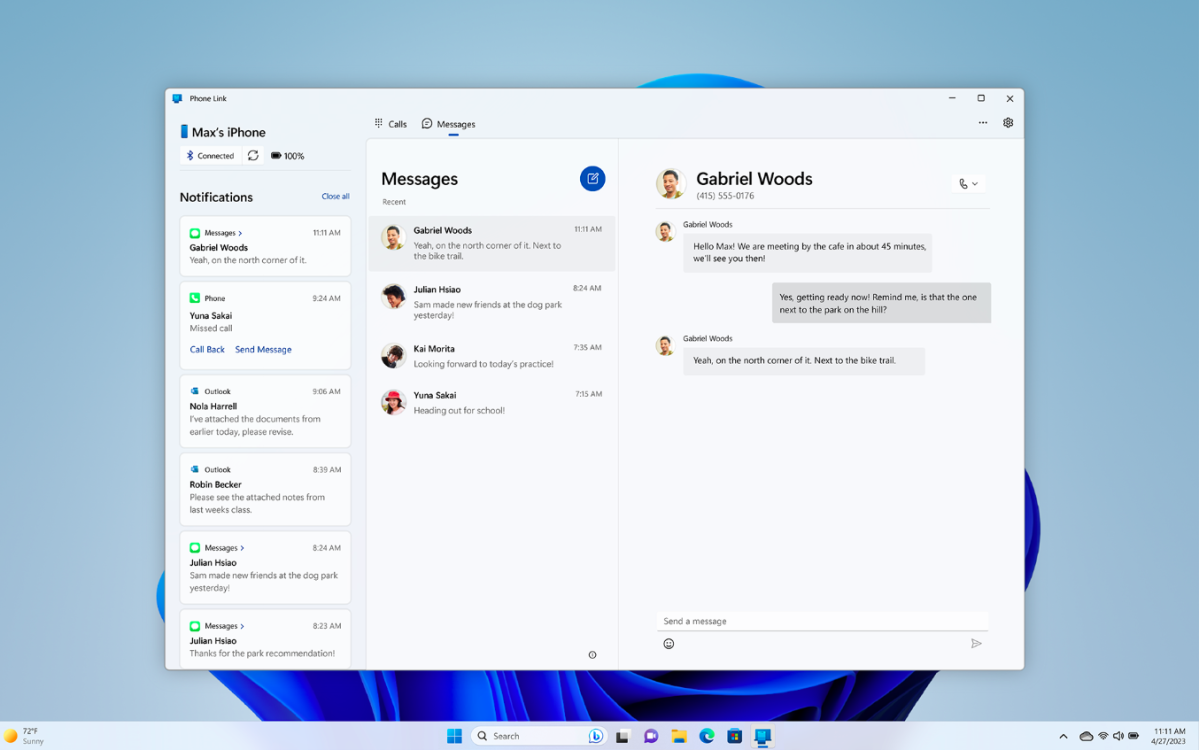
The promise of a desktop version of Android opens up new possibilities for integration with Android phones.
Compared to the seamless integration between iPhone and Mac, Android’s connection with Windows is lacking. Googlebooks and AluminiumOS are expected to bridge this gap and offer enhanced integration features.
Features like using your phone’s camera as a desktop webcam, automatic earbud switching, and a universal clipboard are on the horizon.

Apple
Control your iPhone/iPad and Mac seamlessly with your cursor and keyboard, or continue tasks across devices effortlessly. Googlebooks promises to bring this level of integration to Android users, allowing them to use phone apps on their laptop and access phone files in the browser.
Gemini vs. Siri
Google’s Gemini will play a key role in AluminiumOS.
AI is a hot topic, and Google’s Gemini AI technology is leading the way with user-friendly integration. In contrast, Apple’s Siri has seen limited advancements in AI capabilities.
Apple has been blighted by a lack of progress on AI
Google’s Gemini Intelligence aims to enhance user experiences with AI agents that streamline tasks in the background. Google’s track record in AI innovation makes them a trusted provider for such services.
Reimagining the cursor
Google is not only revolutionizing typing but also rethinking the traditional cursor.
The classic cursor design, unchanged for over 50 years, is getting a modern makeover with Google’s “Magic Pointer.” Powered by Gemini, the Magic Pointer offers context-based suggestions and advanced functionalities.
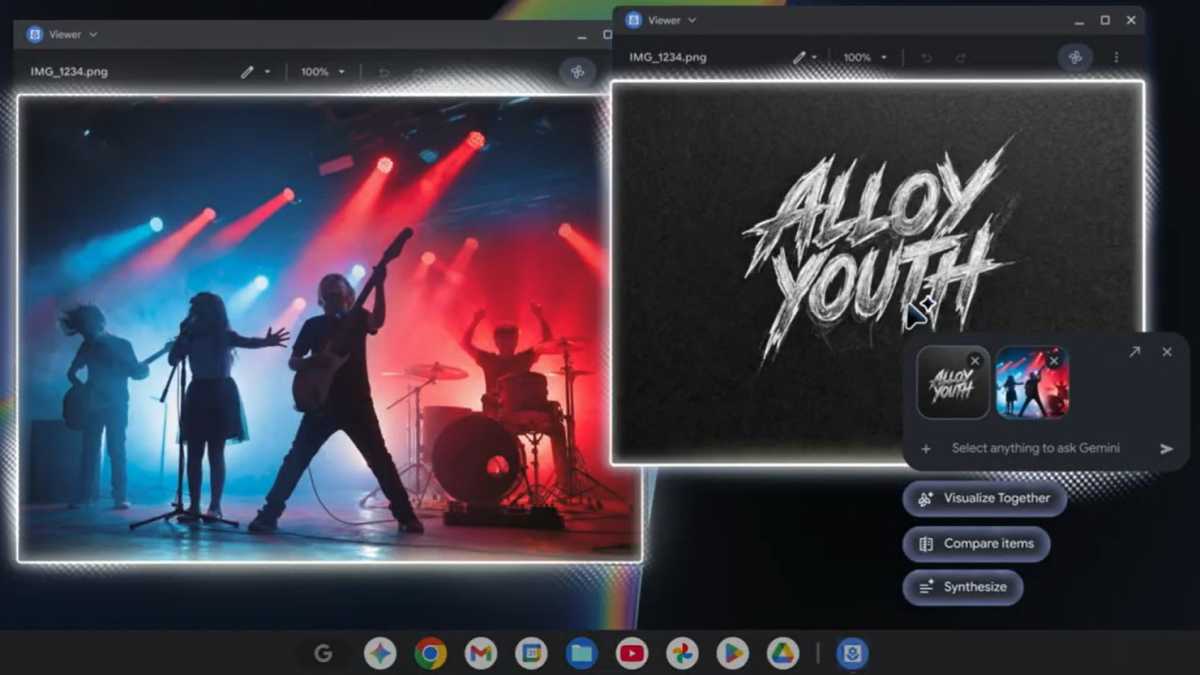
The Magic Pointer offers features like quick image comparisons and instant event generation from dates, hinting at its potential for further enhancements.
If successful, the Magic Pointer could become a standard feature across desktop PCs, including Macs.
Google’s approach to Googlebooks
Google’s history with first-party laptops has been mixed. While they have released Chromebooks in the past, they have not seen sustained success in the market.
Following the launch of the Pixelbook Go in 2019, Google shifted its focus to improving the ChromeOS software experience rather than producing more hardware.
Google’s decision not to manufacture Googlebooks themselves indicates a strategic shift towards software development, particularly with the introduction of AluminiumOS.
Given the unique nature of AluminiumOS, Google’s attention will be dedicated to refining the operating system for maximum performance.
Partnerships with PC manufacturers
Despite Google’s decision to focus on software, leading PC manufacturers like Acer, Asus, Dell, HP, and Lenovo have signed on to produce Googlebooks.
These manufacturers have a proven track record of delivering hardware that complements Google’s software offerings. With multiple partners onboard, Googlebooks will offer a range of devices to cater to diverse user preferences.
Many leading Chromebook manufacturers are already on board, including Acer, Asus, Dell, HP and Lenovo
Users can expect Googlebooks to provide a premium experience with high-quality craftsmanship and materials, similar to the MacBook Neo but with a wider variety of options.
With the potential to match or undercut the MacBook Neo’s price while offering superior integration for Android users, Googlebooks are poised to shake up the laptop market and provide a compelling alternative.
Overall, the introduction of Googlebooks marks an exciting moment for Google and the laptop industry. While the MacBook Neo may continue to attract Android users for now, Google’s innovative approach positions them as a strong competitor in the laptop market.
For the first time in a while, the future of laptops looks promising and full of potential.











Siri Home Hub: Apple’s Latest Smart Assistant Set to Debut on October 13

Revolutionizing the Road: BMW i3 Series Unleashes Impressive Performance and Extended Driving Range in 2027

Sneak Peek: Vibrant New Shades Unveiled for Amazon’s Latest Budget-Friendly Kindle

Catapulting the UK Semiconductor Industry: Building Resilient Supply Chains

Baldur’s Gate 3: The Unnatural Detour – A Modder’s Tale of Seamlessly Integrating a New Adventure into the RPG’s Plot

Exclusive: Motorola Razr Flex Wide Foldable Specs Revealed

Samsung Galaxy Phones Welcoming One UI 9 to Millions of Users

Revolutionizing Industrial Robotics: Inbolt Secures €11 Million for Cutting-Edge Vision and Intelligence Technology

Apple’s HomePad Set to Debut on October 13th: A Smart Home Revolution

EU Takes Action Against Instagram and Facebook for Violating Illegal Content Rules

Warning: Facebook Creators Face Monetization Loss for Stealing and Reposting Videos

Facebook’s New Look: A Blend of Instagram’s Style

Facebook Compliance: ICE-tracking Page Removed After US Government Intervention

Facebook and Instagram to Reduce Personalized Ads for European Users

InstaDub: Meta’s AI Translation Tool for Instagram Videos

Reclaim Your Account: Facebook and Instagram Launch New Hub for Account Recovery

Meta discontinues Messenger apps for Windows and macOS

Breaking Updates: Meta Connect 2025 Unveils Latest Developments

Huawei P Smart – Huawei’s new Killer Budget Smartphone!

MYSTERY Package from Xiaomi – HUGE UNBOXING!

5 ways you’re using your Smartphone wrong.

THE INSANE DUAL BATTERY SMARTPHONE!

ELEPHONE U PRO UNBOXING AND REVIEW!

Mrwhosetheboss – 1 Million Subscribers

The Surprising TRUTH about Samsung – 15 things you did not know.

10 Incredible Android DIY Hacks!

Does a Cheap 2018 Smartphone beat a 2013 Flagship?
-
 Facebook11 months ago
EU Takes Action Against Instagram and Facebook for Violating Illegal Content Rules
-
 Facebook12 months ago
Warning: Facebook Creators Face Monetization Loss for Stealing and Reposting Videos
-
 Facebook10 months ago
Facebook’s New Look: A Blend of Instagram’s Style
-
 Facebook12 months ago
Facebook Compliance: ICE-tracking Page Removed After US Government Intervention
-
 Facebook10 months ago
Facebook and Instagram to Reduce Personalized Ads for European Users
-
 Facebook12 months ago
InstaDub: Meta’s AI Translation Tool for Instagram Videos
-
 Facebook10 months ago
Reclaim Your Account: Facebook and Instagram Launch New Hub for Account Recovery
-
 Apple11 months ago
Meta discontinues Messenger apps for Windows and macOS
